India Approves Semicon 2.0: Inside the Rs 1.27 Lakh Crore Bet on Chips and Phones
Somewhere between a stack of policy documents and a cabinet meeting room in New Delhi, India just placed one of its biggest industrial bets of the decade. On July 15, 2026, the Union Cabinet cleared Semicon 2.0, an outlay of Rs 1.27 lakh crore, alongside a Rs 62,500 crore mobile phone manufacturing scheme. That's roughly USD 14.6 billion for chips, plus billions more for phones, approved in a single sitting.
If your first reaction is "okay, but what does that actually mean for me," fair question. Let's slow down and actually unpack it, because this isn't just a headline number, it's a plan with real mechanics behind it.
Why This Actually Matters
Here's the honest truth about semiconductors: they're in almost everything you touch, your phone, your car, your washing machine, the servers running whatever app you're reading this on. For years, India has imported the vast majority of its chips, which means every geopolitical hiccup elsewhere in the world, a shortage, a trade dispute, a factory shutdown, ripples straight into Indian manufacturing and pricing.
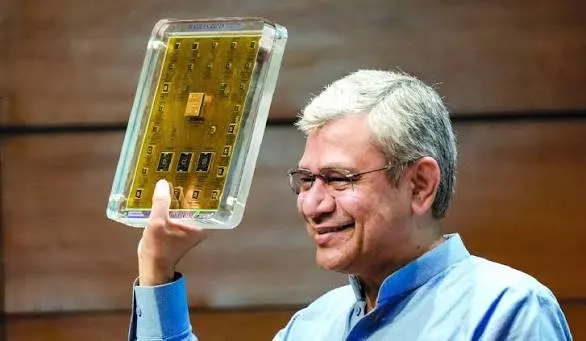
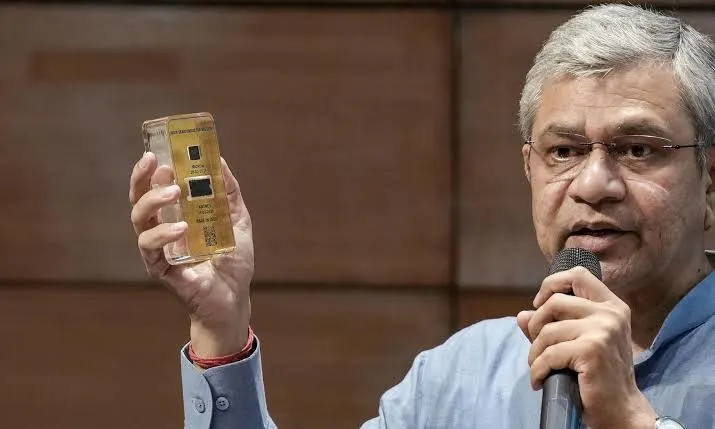
Semicon 2.0 is the government's attempt to change that dependency. It builds directly on the first phase of the India Semiconductor Mission, which was approved back in December 2021 and has already backed 12 projects worth more than Rs 1.60 lakh crore in investment. This second phase is meant to push India from simply hosting a few fabrication units toward becoming a genuine design-and-manufacturing hub, not overnight, but by the end of the decade.
What Semicon 2.0 Really Is, Explained Simply
Think of the first phase of the semiconductor mission like laying the foundation of a house, getting basic fabrication and assembly plants running for the first time. Semicon 2.0 is the next stage, building out the actual rooms: chip design, equipment and materials, advanced packaging and testing, research, and talent development. Six focus areas in total, according to the government, all aimed at making the ecosystem self-sustaining rather than dependent on a handful of isolated projects.
Alongside it sits the Mobile Phone Manufacturing Scheme, or MPMS, a Rs 62,500 crore program running from fiscal year 2026-27 through 2030-31. Where Semicon 2.0 handles the chips going inside a device, MPMS focuses on the finished product, the actual phones being assembled, sourced, and exported from Indian factories.
How the Schemes Actually Work, Step by Step
- Semicon 2.0 targets six pillars. Chip design, semiconductor equipment and materials, fabrication facilities, advanced packaging and testing, research and development, and talent development all receive dedicated support under the new outlay.
- The government expects it to attract Rs 4 lakh crore in investment. Officials project this could translate into around Rs 2 lakh crore in semiconductor production and roughly Rs 1 lakh crore in exports during the scheme's tenure.
- MPMS offers production-linked incentives. Manufacturers receive incentives ranging from 2.25 percent to 5 percent on eligible mobile phone sales, with added support for companies sourcing components domestically or investing in product design and research.
- Export targets are explicit and ambitious. The government wants to more than double mobile phone exports, from around Rs 7.5 lakh crore under the previous scheme to roughly Rs 15 lakh crore under the new one.
- Job creation is baked into the projections. The mobile phone scheme alone is expected to generate about 60,000 direct jobs while driving cumulative production near Rs 39 lakh crore over its tenure.
Read More: The Cockroach Janta Party: India's Gen Z Turned Humiliation Into a Political Warning Shot
Real-World Examples: Who's Already Investing
This isn't purely theoretical. Applied Materials and AMD have each announced investments of USD 400 million tied to India's semiconductor ambitions. Lam Research has committed USD 1.1 billion, and KLA has pledged USD 400 million. Microchip Technology has committed USD 300 million. Meanwhile, ASML, IBL Electron, and Merck have signed memoranda of understanding with Tata Group to support semiconductor ecosystem development within India.
On the mobile phone side, India has already become the world's second-largest mobile phone manufacturer by volume, with 99.2 percent of phones used domestically now made within the country, a striking shift from where the industry stood just a decade ago.
Mistakes People Keep Making When Reading This News
A common mistake is assuming India will suddenly start producing cutting-edge chips overnight because a cabinet approval happened. It won't. The country's first semiconductor fabrication unit is expected to begin operations only in 2028, and building genuine design and manufacturing depth takes years, not months. Reading a policy approval as an instant industrial transformation sets unrealistic expectations.
Another mistake is treating Semicon 2.0 and the mobile phone scheme as the same thing. They're related but distinct, one focuses on the chips themselves, the other on assembling and exporting finished devices. Confusing the two makes it harder to actually track whether either program is delivering on its specific promises.
Pro Tips for Understanding India's Semiconductor Push
If you want to track whether Semicon 2.0 is actually working over the coming years, watch the fabrication unit timeline closely, since 2028 is the real milestone to judge progress against, not the cabinet approval date. Also keep an eye on global semiconductor equipment spending trends, since worldwide investment is projected to hit a record USD 165.9 billion in 2026, driven heavily by AI demand. India's ecosystem is entering the market at a moment when global capital is unusually active, which could accelerate or complicate its ambitions depending on how competitive Indian facilities prove to be.
Closing Thoughts
There's something almost poetic about a country that imports most of its chips today setting a target to become a serious design and manufacturing hub within a handful of years. Ambitious, certainly. Whether Semicon 2.0 delivers on that promise depends less on the cabinet approval itself and more on what gets built, quietly, factory by factory, over the next several years.
Disclaimer: This article is based on information available across the web. Parchar Manch does not take responsibility for its complete accuracy, as the content could not be fully verified.
FAQs
What is Semicon 2.0?
Semicon 2.0 is the second phase of India's semiconductor development program, approved by the Union Cabinet on July 15, 2026, with an outlay of Rs 1.27 lakh crore to build chip design, manufacturing, packaging, and research capabilities.
How much money was approved for mobile manufacturing?
The Mobile Phone Manufacturing Scheme received a budgetary outlay of Rs 62,500 crore, running from fiscal year 2026-27 through 2030-31.
When will India's first semiconductor fabrication unit start operating?
The country's first fabrication unit is expected to begin operations in 2028, according to government projections.
Will this scheme create jobs?
Yes. The mobile phone manufacturing scheme alone is projected to generate around 60,000 direct jobs during its tenure.
How does Semicon 2.0 differ from the first phase of the India Semiconductor Mission?
The first phase, approved in December 2021, focused on establishing initial fabrication and assembly projects. Semicon 2.0 expands support across six areas, including design, equipment, advanced packaging, research, and talent development.
Which companies are already investing in India's semiconductor ecosystem?
Major investors include Applied Materials, AMD, Lam Research, KLA, and Microchip Technology, alongside memoranda of understanding signed by ASML, IBL Electron, and Merck with Tata Group.