Early Summer Heat in India 2026: IMD Forecast, Impact & Preparedness Guide
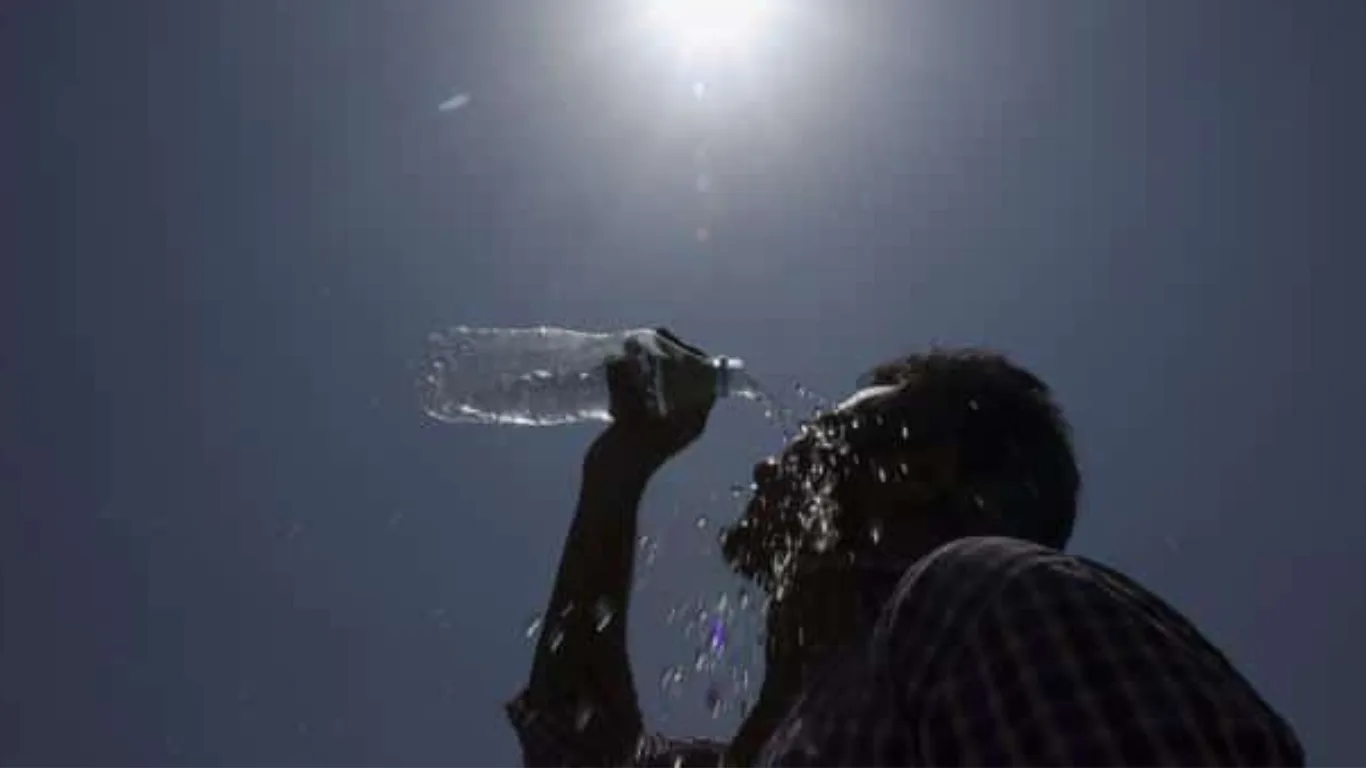
There is something quietly unsettling about stepping outside in April and feeling air that belongs to June. Not warm , scorching. The kind of heat that makes the back of your throat go dry before you have even walked to the gate. That is what millions across India are waking up to right now, and the India Meteorological Department has made it very clear: this is not a temporary blip. The IMD forecasts heatwave conditions across India through April, May, and June 2026 , and by most measures, what we are seeing right now is only the beginning.
This article tries to make sense of it all. Not just the numbers, but what they mean on the ground , for farmers, for daily labourers, for parents sending children to school, for anyone who has to be somewhere at noon under a white sky.
Why the IMD Heatwave Forecast Deserves Attention
Heatwaves are no longer isolated weather events—they are becoming more frequent, lasting longer, and affecting larger parts of India. According to the India Meteorological Department (IMD), prolonged periods of unusually high temperatures can increase health risks, strain water and power resources, reduce agricultural productivity, and disrupt everyday life.
An IMD heatwave warning is issued when temperatures rise significantly above the normal level for a region or cross specified thresholds. These alerts are designed to help state authorities, healthcare systems, and the public prepare for extreme weather conditions and reduce heat-related illnesses.
The latest forecast indicates that several parts of northern, central, eastern, and northwestern India are likely to experience above-normal temperatures and more heatwave days during the summer season. Higher daytime temperatures, combined with warmer nights, can make it difficult for the human body to recover from prolonged heat exposure, particularly for children, older adults, outdoor workers, and people with existing medical conditions.
Beyond personal health, extended heatwaves can affect multiple sectors, including agriculture, transportation, electricity demand, and water availability. Increased use of cooling systems places additional pressure on power grids, while prolonged dry conditions may impact crop yields and local water supplies.
For these reasons, the IMD's heatwave forecast is more than a weather update—it serves as an early warning that allows individuals, communities, and authorities to take preventive measures. Staying hydrated, avoiding direct sunlight during peak afternoon hours, wearing lightweight clothing, and following official weather advisories can significantly reduce the risk of heat-related health problems during extreme summer conditions.
Understanding What the IMD Forecast Actually Says
Let us slow down here and look at the forecast carefully, because there is some nuance worth understanding.
The IMD's seasonal outlook for April to June 2026 presents a picture that is uneven across the country , not uniformly terrible everywhere, but seriously concerning in specific regions. Here is what it says, broken down:
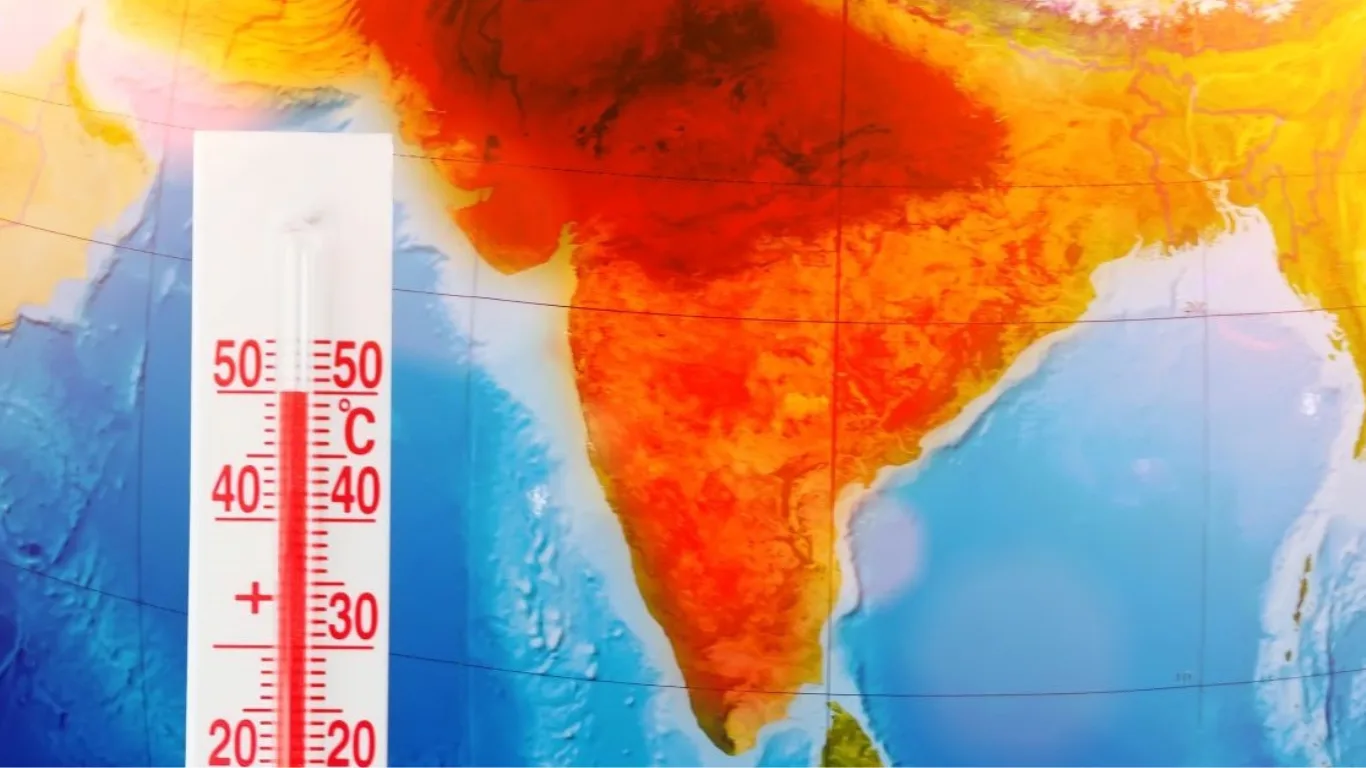
Eastern and Northeastern India: These regions are expected to experience above-normal maximum temperatures throughout the summer. West Bengal, Odisha, Jharkhand, Bihar, and the northeastern states are in the high-risk zone. The combination of high temperatures and humidity makes heat feel far more severe here than the thermometer reading alone suggests. When humidity is elevated, sweat cannot evaporate properly , the body's primary cooling mechanism essentially fails. The danger is real and immediate.
North and Northwest India: This is where the picture gets slightly more complicated. For large parts of north, northwest, and central India , including Delhi, Haryana, Punjab, and western Rajasthan , the forecast actually predicts normal to below-normal maximum temperatures for most of the season. However , and this is important , above-normal heatwave days are still expected in pockets of this region, and eastern Rajasthan and eastern UP are already experiencing severe heat as of today. The forecast also warns of mercury climbing a further one to two degrees in Agra and Prayagraj over the next 48 to 72 hours.
Read More: Shreyas Iyer on His Career: From BCCI Contract Snub to India's White-Ball Captaincy Race
Coastal States: Odisha, West Bengal, Tamil Nadu, Puducherry, and Andhra Pradesh are specifically flagged for above-normal heatwave days in April. Maharashtra and Karnataka, particularly isolated regions, are also mentioned. Coastal heat with high humidity is a different kind of suffering , it is not the dry, fierce heat of Rajasthan, it is a thick, breathless weight that sits on you.
Agriculture: IMD has issued specific agrometeorological warnings. Wheat and mustard farmers in northwest India have been advised to complete harvesting at the earliest to avoid losses due to terminal heat stress. Boro rice, maize, green gram, black gram, and vegetables like tomatoes, chillies, and brinjal face significant heat stress during their reproductive stages in east and northeast India. Mango and banana plantations in southern India are at risk of flower and fruit drop.
Read More: Why Going to the Movies Still Matters for Gen Z in the TikTok Era
So the forecast is not uniformly catastrophic , there are regions where temperatures may stay normal. But the regions that are affected are densely populated and critically important to India's agricultural output. The human and economic stakes are high.
How to Read a Heatwave Warning , And What to Do
Most people hear "heatwave warning" and know it is bad. Fewer people know how to actually act on it , what changes day-to-day, practically, when you are living inside one.
Here is a step-by-step breakdown of what the IMD's colour-coded alert system means and how to respond:
Understanding the alert colours:
- Yellow Alert , Be aware. Heatwave possible. Monitor the situation, adjust plans where you can.
- Orange Alert , Be prepared. Heatwave likely. Reduce outdoor exposure, particularly for vulnerable individuals.
- Red Alert , Take action. Severe heatwave underway. Avoid all non-essential outdoor activity during peak hours.
Currently, red and orange alerts are active across several districts in Rajasthan, UP, Odisha, and Jharkhand. Check IMD's district-level heatwave warnings daily , they update regularly.
Read More: Bihar Political Shift 2026: Why Nitish Kumar Resigned and Who is the New CM of Bihar?
Practical steps during active heatwave conditions:
- Avoid going outside between 12 PM and 4 PM. This is not a suggestion , it is the single most effective thing you can do. The UV index and air temperature peak in this window.
- Drink water before you feel thirsty. Thirst is a lagging indicator of dehydration. By the time you feel thirsty, your body is already under stress.
- Wear loose, light-coloured, breathable clothing. Cotton works well. Cover your head.
- If you must be outdoors , construction workers, farmers, street vendors, delivery workers , take shade breaks every 20 to 30 minutes. The body needs those pauses.
- Keep an ORS (Oral Rehydration Solution) packet accessible. If someone around you shows signs of heat exhaustion , heavy sweating, pale skin, fast and weak pulse, nausea, muscle cramps , move them to shade immediately and give them water or ORS.
- For heatstroke, which is more severe , confusion, loss of consciousness, no sweating despite extreme heat , this is a medical emergency. Call for help immediately and cool the person down with whatever is available: a wet cloth, fanning, or ice if accessible.
For households with elderly members or young children:
These groups are significantly more vulnerable because their bodies regulate temperature less efficiently. Keep rooms ventilated, use fans or coolers, and do not leave children or elderly people alone in poorly ventilated rooms. Heat-related deaths in India disproportionately affect these age groups.
Read More: Who Was Bhagat Singh? 10 Facts About the Young Hero
What Is Actually Happening on the Ground Right Now
To make this concrete, here is the picture as of today, April 21, 2026.
Agra is the hottest city in Uttar Pradesh today, touching 45°C with minimum temperatures hovering around 25°C. Even the nights offer no real relief. Prayagraj is at 44°C, with "loo" winds , the hot, dry westerly gusts that feel like standing in front of an open oven , expected throughout the afternoon. Kanpur, Lucknow, and Noida are at 41-42°C under clear skies. Clear skies in a heatwave mean nothing to be grateful about , it means direct, unobstructed solar radiation all day.
In Madhya Pradesh, Bhopal crossed 40°C for the first time this season on Monday, a figure that had risen nearly eight degrees in just eight days. Indore recorded 40.6°C. There was a brief respite from cloud cover in the evening, but the IMD forecasts meaningful rainfall only by April 23 at the earliest.
In Rajasthan, extreme heat is expected through April 22. Eastern Rajasthan and western Rajasthan are both affected, with dust storms possible alongside the heat , a combination that makes outdoor conditions dangerous in entirely different ways.
The east coast , Odisha, coastal Andhra Pradesh, Tamil Nadu , is dealing with that particular cruelty of humid coastal heat. The temperatures may not read as extreme as Rajasthan on paper, but the heat index , what it actually feels like to the human body , is often far worse. Sweat evaporation fails. The body cannot cool down. The risk of heat illness in these coastal regions is as serious as anywhere in the country.
Read More: Virat Kohli Becomes First Batter to Score 9000 Runs in IPL History: A Record Nobody Else Is Close To
Common Mistakes People Make During Heatwaves
These mistakes are understandable. Most come from habit, or from a sense that "I've dealt with heat before, I'll manage." But heatwaves are different from ordinary summer heat, and the consequences of these errors can be severe.
- Waiting until you feel sick to take precautions. Heat exhaustion can develop gradually, and by the time you notice it, you may already be significantly dehydrated or overheated.
- Drinking cold beverages excessively and ignoring water. Cold drinks , including soft drinks and alcohol , do not rehydrate the way water and electrolytes do. Alcohol is actively dehydrating.
- Exercising outdoors in the afternoon. Running, cycling, or working out outside between 11 AM and 5 PM during a heatwave is genuinely dangerous. Morning is the only safe window.
- Ignoring symptoms in others. Older relatives or children may not complain until they are already in trouble. Check on them proactively.
- Relying on fans alone in extreme heat. Fans move air but do not cool it. When temperatures cross 40°C, a fan blowing hot air over the body can actually accelerate dehydration. Coolers or air conditioning provide actual temperature reduction.
- Assuming the forecast is the same everywhere. The IMD's district-level warnings are granular and updated daily. A state-level orange alert may mean very different things in a coastal district versus an inland one.
Pro Tips: What Most People Don't Know About Surviving Peak Indian Summer
Some of this is simple. Some of it is the kind of knowledge that gets passed down in families and tends to be forgotten when we move to cities.
The heat index is more important than the temperature. When humidity is high, the body feels temperatures much more intensely than the thermometer shows. A 38°C day with 70% humidity can feel like 45°C on the body. IMD has an experimental Heat Index map , worth checking.
Electrolytes matter more than water alone. Drinking only plain water during prolonged exposure to heat can actually dilute the sodium in your blood , a condition called hyponatremia , which causes symptoms strikingly similar to dehydration: confusion, nausea, headaches. Add a pinch of salt and some sugar to water, or use ORS.
Wet a cloth and keep it at the back of your neck. Simple, almost absurdly simple , but the back of the neck is close to major blood vessels. Cooling that area has a disproportionate effect on your perceived body temperature.
If you have a terrace garden or trees, they matter. Urban heat islands , dense city areas with concrete and minimal green cover , can be 4 to 5 degrees hotter than surrounding areas. Rooftop gardens, even small ones, help.
Check on outdoor workers. Construction workers, delivery agents, street food vendors , these people do not have the option to stay indoors during peak hours. A glass of cold water or nimbu paani offered to someone working in the heat is not a small gesture. It can prevent a medical emergency.
Monitor children returning from school. After exposure to midday heat, children should rest, drink fluids, and avoid physical activity for at least an hour. Their bodies overheat faster and cool down more slowly than adults.
Conclusion
India's early heatwave serves as an important reminder that extreme weather is becoming a recurring challenge rather than an occasional event. Rising temperatures can affect public health, agriculture, water resources, electricity demand, and everyday life, making timely preparation essential for both individuals and authorities.
The India Meteorological Department's (IMD) heatwave forecasts provide valuable early warnings that help governments, healthcare providers, disaster management agencies, and citizens take preventive action before conditions become severe. Following official advisories, staying hydrated, avoiding prolonged outdoor exposure during peak afternoon hours, and paying special attention to children, senior citizens, and outdoor workers can significantly reduce the risk of heat-related illnesses.
At the community level, measures such as Heat Action Plans, public awareness campaigns, cooling centres, and improved emergency response systems continue to play an important role in reducing the impact of extreme heat. These initiatives become most effective when supported by public cooperation and timely access to reliable weather information.
As temperatures continue to rise during the summer months, staying informed through official weather updates and adopting simple heat safety practices will remain the best way to protect health and minimise the impact of prolonged heatwave conditions across India.
Read More: Why Dhurandhar 2 is the Most Intense Revenge Story of the Year
FAQs
What does it mean when IMD declares a heatwave?
IMD declares a heatwave when the maximum temperature of a station reaches at least 40°C for plains and 30°C for hilly regions, AND when the departure from normal temperature is 4.5°C or more. A severe heatwave is declared when this departure exceeds 6.4°C.
Which states are most affected by the heatwave in April 2026?
As of April 21, 2026, the most severely affected states include Rajasthan, Uttar Pradesh (especially Agra and Prayagraj), Odisha, Jharkhand, Vidarbha (Maharashtra), and Madhya Pradesh. Coastal states like Tamil Nadu, Andhra Pradesh, and West Bengal are also under above-normal heatwave day warnings due to high humidity.
How long will the heatwave last in India this year?
The IMD's seasonal outlook covers April to June 2026. Above-normal heatwave days are expected throughout this period, with eastern and northeastern India likely to experience sustained heat. There is no single "end date" for a seasonal heatwave pattern , it eases region by region as monsoon systems approach.
What is the difference between heat exhaustion and heatstroke?
Heat exhaustion involves heavy sweating, weakness, cold or pale skin, fast and weak pulse, nausea, and muscle cramps. The person is still conscious, and the body is still trying to cool itself. Heatstroke is more severe , the body's cooling mechanism fails. Symptoms include very high body temperature (above 39.4°C), hot and red skin, rapid and strong pulse, and possible unconsciousness. Heatstroke is a life-threatening emergency and requires immediate medical attention.
How does the heatwave affect farmers and agriculture?
IMD has warned of significant agricultural impacts, including heat stress on Boro rice, maize, green gram, black gram, and vegetables during their reproductive stages. Wheat and mustard in northwest India face terminal heat stress. Mango and banana plantations are at risk of fruit and flower drop. IMD has specifically advised wheat farmers to accelerate harvesting to minimise losses.