India Refuses Sanctioned Russian LNG: What the Stranded Singapore Tanker Reveals
There is a ship adrift near Singapore right now. Not in distress, not lost. Just floating. Waiting. Because the country it was headed to said no.
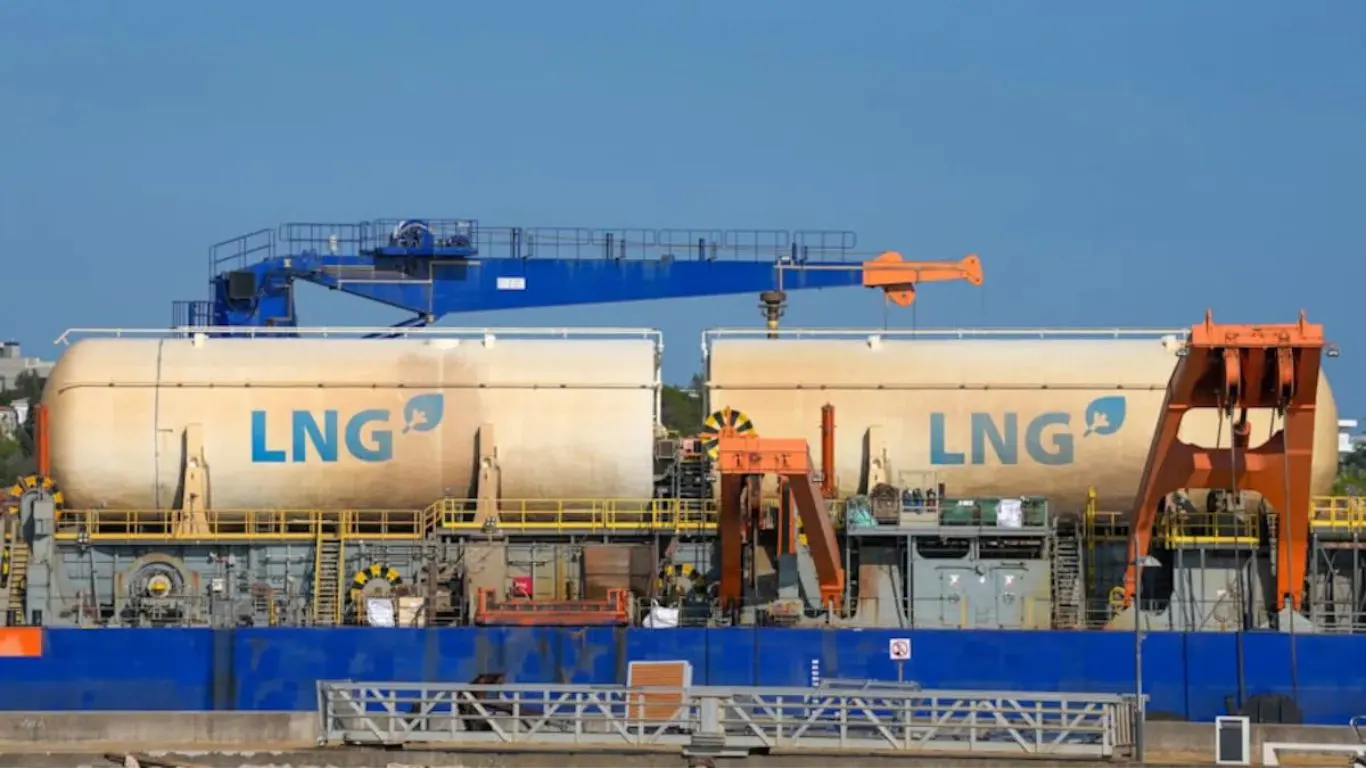
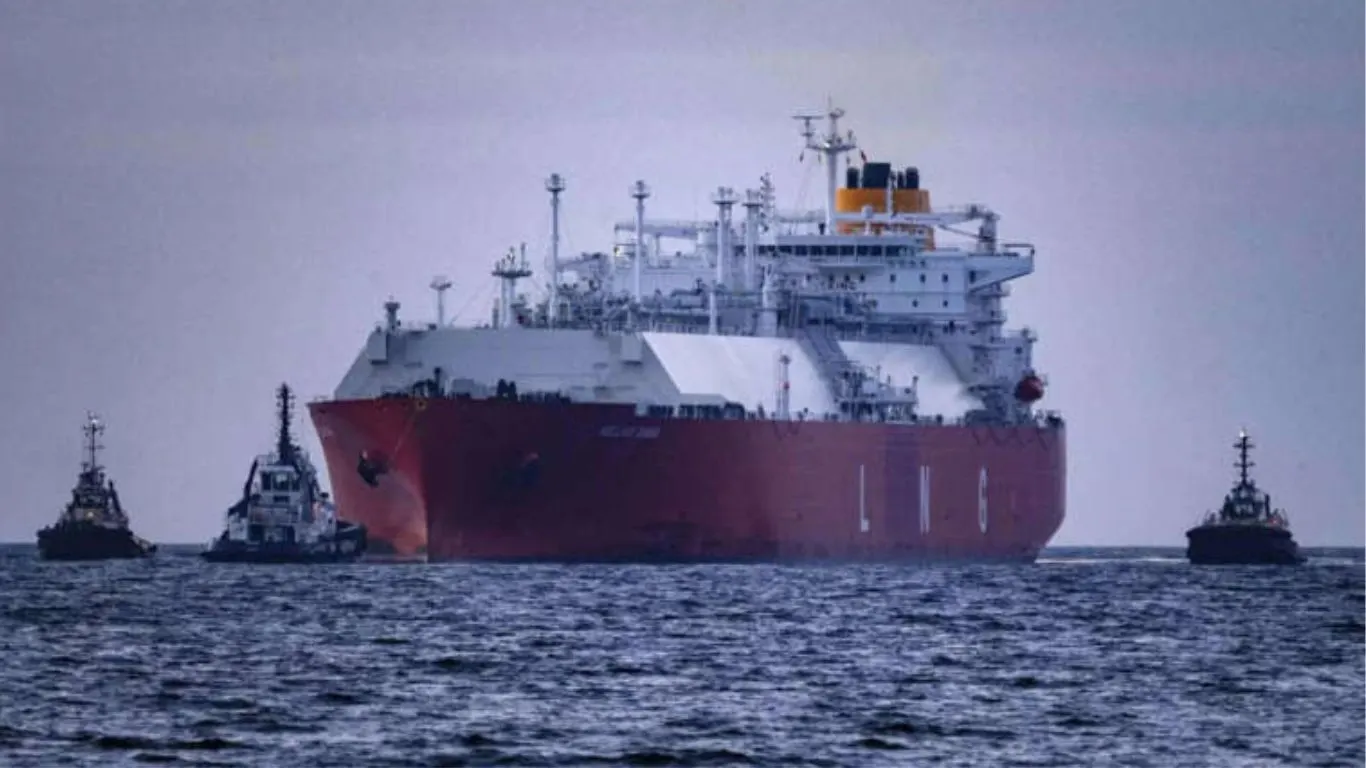
That ship is the Kunpeng, a 138,200-cubic-metre liquefied natural gas tanker that loaded its cargo at Russia's Portovaya LNG plant on the Baltic Sea. Its destination, according to shipping data from mid-April, was the Dahej LNG import terminal in Gujarat, western India. But India said no. And now the tanker has switched off its broadcast destination and drifted toward Singaporean waters with nowhere to go.
This is not just a shipping story. It is a window into one of the most delicate energy diplomacy calculations playing out right now.
Why India Walked Away From Sanctioned Russian LNG
India is the world's third-biggest oil importer. It also happens to be the single largest buyer of Russian seaborne crude oil. So when India says no to Russian energy, it genuinely means something.
The reason here is not political theatre. It is about the specific legal and financial risk that comes with U.S. sanctions on Russian LNG exports. Washington imposed those sanctions on Russia's Portovaya LNG facility and the Arctic LNG 2 project in early 2025, escalating pressure on Moscow's energy revenues because of the war in Ukraine.
Crude oil cargoes can be hidden through ship-to-ship transfers at sea. LNG shipments cannot. They are far harder to conceal from satellite tracking. That is the core difference. That is why India bought Russian oil by the barrel all through 2023 and 2024 and kept quiet about it, but will not touch Russian LNG under sanctions. The compliance risk is simply too visible, too traceable.
India formally conveyed its decision to Russia's Deputy Energy Minister Pavel Sorokin during his April 30 visit to New Delhi, when he met Petroleum and Natural Gas Minister Hardeep Singh Puri. That was their second meeting in as many months. A third could happen in June. Talks are not over. Just this particular shipment is.
The Tanker That Could Not Hide What It Was
India's reluctance left the LNG cargo from the U.S.-sanctioned Portovaya plant unable to discharge, despite documentation suggesting the cargo was non-Russian. That detail matters. Someone tried to obscure the origin. It did not work.
The cargo was identified as originating from the sanctioned Portovaya LNG plant despite documentation indicating non-Russian origin. The United States imposed sanctions on Portovaya LNG and Russia's Arctic LNG 2 project in January as part of broader measures targeting Moscow's energy export revenues.
So there was an attempt to paper over the cargo's real source. India's officials, working with shipping tracking data, saw through it. The vessel is now sitting near Singapore, with no destination broadcast and no buyer confirmed. As of May 11, no alternative buyer or revised destination for the shipment had been announced.
India Needs Gas. That Is the Real Tension Here.
Here is where it gets complicated. India is not walking away from Russian LNG because it does not need gas. It absolutely does.
Before the Iran conflict disrupted shipping through the Strait of Hormuz, India was meeting half of its gas consumption through imports, about 60% of which had come through that waterway. That supply chain is now severely stressed. Middle East tensions have created a genuine energy shortfall. India wants gas. India needs gas.
India is open to buying authorised Russian LNG, but most of those volumes are already committed to Europe. That is the cruel irony here. The Russian LNG that is legal to buy, Europe is already taking. The Russian LNG that is available for spot sales is sanctioned.
China Is Doing What India Will Not
China remains a major buyer of both sanctioned and unsanctioned Russian LNG. Beijing is simply not worried about U.S. sanctions the way New Delhi is. China's banking system, its trade infrastructure, and its political stance all insulate Chinese buyers from American compliance pressure in ways that Indian importers cannot replicate.
Read More:Himanta Biswa Sarma Resigns as Assam CM: What Comes Next and Why This Moment Is Bigger Than It Looks
Indian companies depend on global banking systems, dollar-denominated trade, and relationships with Western partners. Taking on sanctioned cargo is not a theoretical risk. It can cut off access to international finance.
What Russia Actually Wants from India
Moscow is seeking long-term deals to supply India with LNG and fertilisers such as potash, phosphorus and urea. Russia is not giving up on India as a market. It is pushing for deeper, broader agreements that go beyond spot cargoes, including agricultural inputs that India imports in significant volumes.
Indian Prime Minister Narendra Modi on Sunday urged people to conserve fuel and foreign exchange, including working from home, limiting foreign travel and reducing imports of gold and edible oil. That kind of public messaging signals real pressure on India's energy and import situation. The government is not panicking, but it is clearly managing.
Read More: West Bengal Post-Poll Violence Explained: What Is Happening on the Ground and Why It Refuses to Stop
The Line India Is Drawing
India is willing to buy Russian crude. It has been doing that. It is willing to talk about unsanctioned Russian LNG if supply becomes available. India continues to remain one of the largest buyers of Russian seaborne crude oil under existing arrangements and temporary U.S. sanction waivers. However, LNG shipments present greater compliance challenges than crude oil cargoes.
That is the line. Crude, yes. Sanctioned LNG, no. Not because India wants to take a moral stance, but because the practical risk of getting caught holding sanctioned LNG is far higher than the risk of buying discounted oil quietly.
The stance highlights the fine balance India is seeking to strike between securing energy supplies and avoiding LNG cargoes on which the U.S. has placed sanctions, which carry greater compliance risk. It also underscores the limits of Moscow's ability to pivot its LNG exports to new markets.
Russia built up these LNG plants expecting a global customer base. Sanctions have narrowed that base significantly. China takes what it can. Europe once took more. India is proving to be a harder sell than Moscow hoped.
The Kunpeng sits near Singapore. The talks continue. And somewhere in New Delhi and Moscow, officials are working out what "permitted cargoes" actually look like in practice. The answer to that question matters for energy markets, geopolitics, and the quiet, enormous business of keeping the lights on across a billion people.
Disclaimer: This article is based on information available across the web. Parchar Manch does not take responsibility for its complete accuracy, as the content could not be fully verified.
Read More: Easy Healthy Lunch Recipes for Busy Weekdays (Ready in 20 Minutes)
FAQs
Why did India reject the Russian LNG shipment?
India rejected the cargo because it originated from Russia's Portovaya LNG plant, which is under U.S. sanctions. LNG shipments are far harder to hide than crude oil and carry significant compliance risk for Indian companies that rely on international banking and dollar-based trade.
What is the Portovaya LNG plant?
Portovaya is a Gazprom-operated LNG facility on the Baltic Sea. The U.S. sanctioned it in early 2025 as part of broader pressure on Russia's energy revenues over the war in Ukraine. It has an annual capacity of around 1.5 million tonnes.
Is India still buying Russian energy?
Yes. India continues to be the largest buyer of Russian seaborne crude oil. The refusal applies specifically to LNG under sanctions, not to all Russian energy trade.
Why is LNG harder to hide than crude oil?
Crude can be transferred between ships at sea, making origins harder to trace. LNG tankers are large, tracked by satellite, and their cargo handling requires specialised port infrastructure, making the origin and movement of shipments much more visible.
Could India buy Russian LNG legally?
India has said it is open to buying unsanctioned Russian LNG. The problem is that most of those authorised volumes are already under long-term contracts with European buyers, leaving little available for spot purchases.