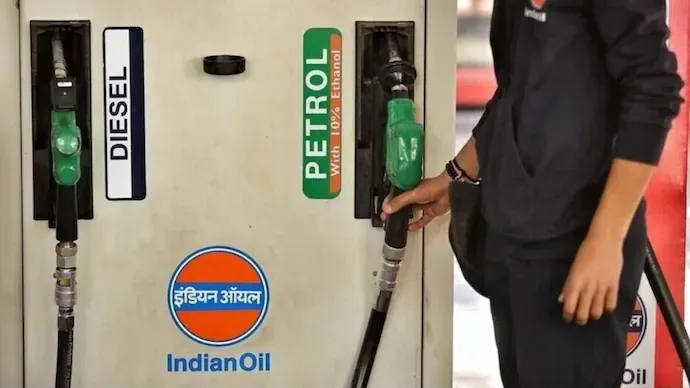
India Restricts Bulk Fuel Purchases at Petrol Pumps , Here Is What Changed and Who Is Affected
Something quietly significant happened at India's petrol pumps this week. And most regular motorists will not even notice. But for factories, telecom towers, industries, and commercial establishments, the rules just shifted sharply.
The Ministry of Petroleum and Natural Gas on June 11 issued the Motor Spirit and High Speed Diesel (Temporary Regulation of Supply through Retail Outlets) Order, 2026, directing fuel retailers and oil marketing companies to curb bulk purchases from retail outlets for periods of up to 90 days at a time.
This is the India bulk fuel purchase restriction that has been quietly building as a necessity for weeks. And the reason it happened tells you a great deal about where global energy markets are heading right now.
What Triggered the India Diesel Restriction at Retail Pumps
The core problem is a significant pricing gap.
While diesel at petrol pumps costs ₹95.20 per litre in Delhi, bulk sales are priced at ₹134.50 per litre. This gap emerged after state-owned oil companies adjusted retail prices to shield ordinary consumers from rising costs following the West Asia crisis in late February.
In practical terms, this created a strong incentive for bulk users such as telecom companies, factories, and commercial vehicle fleets to bypass bulk pricing and instead purchase diesel from retail petrol pumps. The difference in cost was large enough to encourage widespread diversion of demand.
As a result, restrictions were introduced after abnormal spikes in diesel demand were observed in certain areas, driven by bulk buyers shifting to retail outlets to take advantage of the lower price.
Retail petrol pumps are designed primarily for individual consumers, transport operators, and small businesses, not large-scale industrial consumption. The resulting arbitrage behaviour placed unexpected pressure on supply chains and disrupted the intended structure of fuel distribution.
What the New Fuel Order Actually Says
The new rules will not allow industrial units, commercial establishments and institutional consumers to buy petrol or diesel from normal retail fuel pumps. Instead, they will have to access fuel through authorised bulk supply arrangements or self-consumer pumps.
The order caps daily diesel purchases at retail outlets to 200 litres per customer or vehicle, prohibits resale of fuel obtained from retail pumps, and mandates that bulk commercial, industrial, and institutional buyers source their fuel from designated supply points instead of retail stations.
The 200-litre daily cap is the number most people will encounter. It is generous enough to accommodate genuine transport use, but structured to prevent large-scale industrial procurement through the retail channel.
The restrictions will last for an initial period of up to 90 days, and the government can extend them through a fresh order, if required.
Read More: Manoj Bajpayee Calls Ramayana and Varanasi Budget Hype a "PR Tactic" , And He Has a Point
Why Geopolitics Forced This Decision
The government said the move was necessitated by the "current prevailing geopolitical situation affecting certain regions of the world" that has adversely impacted international petroleum supply chains, shipping logistics and the availability of petroleum products.
The government cited the evolving geopolitical landscape and the resultant impact on global energy markets as the reason for taking the decision.
India imports the vast majority of its crude oil. When global supply chains tighten, the pressure on domestic retail fuel systems intensifies, particularly when oil marketing companies (OMCs) like Indian Oil Corporation, BPCL, and HPCL are already absorbing losses to keep retail prices lower than market cost.
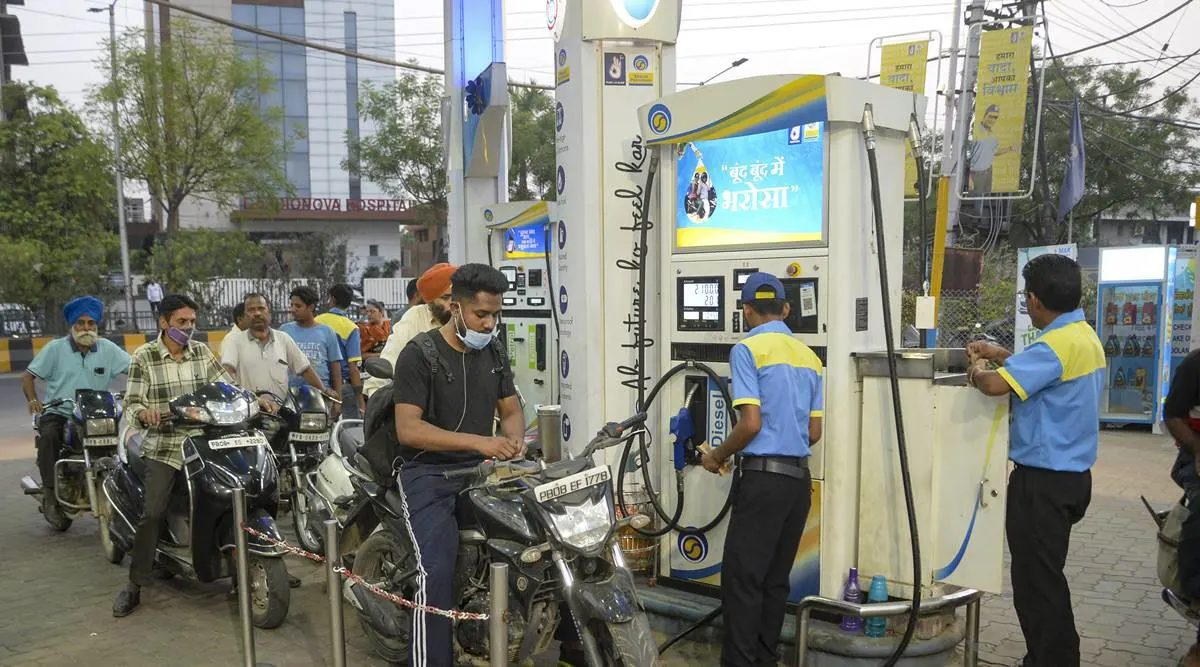
Despite the regulatory intervention, India's oil marketing companies, including IOC, BPCL, and HPCL, have publicly assured citizens that national fuel stocks remain adequate, saying they are maintaining more than 60 days of cover.
What This Means for Ordinary Petrol Pump Users
The short answer is: not much will change immediately for most vehicle owners. The restrictions are primarily aimed at ensuring that retail fuel supplies remain available for households, transport operators, and individual consumers, according to the government.
Authorities are trying to prevent localised shortages, long queues, and panic buying in areas where demand has surged. The concern is that large-scale diversion of diesel purchases from bulk channels to retail petrol pumps could strain supply at the local level.
The rules carry strict consequences for violations. The government has warned that breaches may be punished under the provisions of the Essential Commodities Act, and has directed state governments to take necessary enforcement action. This includes measures against hoarding, black marketing, unauthorised procurement, diversion of fuel, and other related malpractices.
The Essential Commodities Act is a serious legal instrument, and penalties under it can include imprisonment. As a result, the order is being treated not as a routine administrative step, but as a supply security measure intended to stabilise distribution and prevent disruption in the fuel supply chain.
Read More: Nvidia RTX Spark Superchip: The Bold Move That Could Reinvent Your Next PC Forever
Disclaimer: This article is based on information available across the web. Parchar Manch does not take responsibility for its complete accuracy, as the content could not be fully verified.
FAQs
What is the India bulk fuel restriction order issued in June 2026?
The Ministry of Petroleum and Natural Gas issued the Motor Spirit and High Speed Diesel (Temporary Regulation of Supply through Retail Outlets) Order, 2026, directing fuel retailers and oil marketing companies to curb bulk purchases from retail outlets for up to 90 days.
Who is affected by the India diesel restriction at retail pumps?
Industrial units, commercial establishments and institutional consumers are barred from buying petrol or diesel from normal retail fuel pumps and must instead access fuel through authorised bulk supply arrangements or self-consumer pumps.
What is the daily fuel cap at retail outlets?
The order caps daily diesel purchases at retail outlets to 200 litres per customer or vehicle.
Why is bulk diesel cheaper at retail pumps than at commercial suppliers?
State-owned oil companies modulated retail prices to insulate common users from the price spike that followed the West Asia crisis in late February. While bulk users are charged market price, retail pump rates are way lower than cost.
How long will these fuel restrictions last?
The restrictions will last for an initial period of up to 90 days, and the government can extend them through a fresh order if required.