Trump's Iran Deal: The "Final Determination" That Nobody Has Made Yet
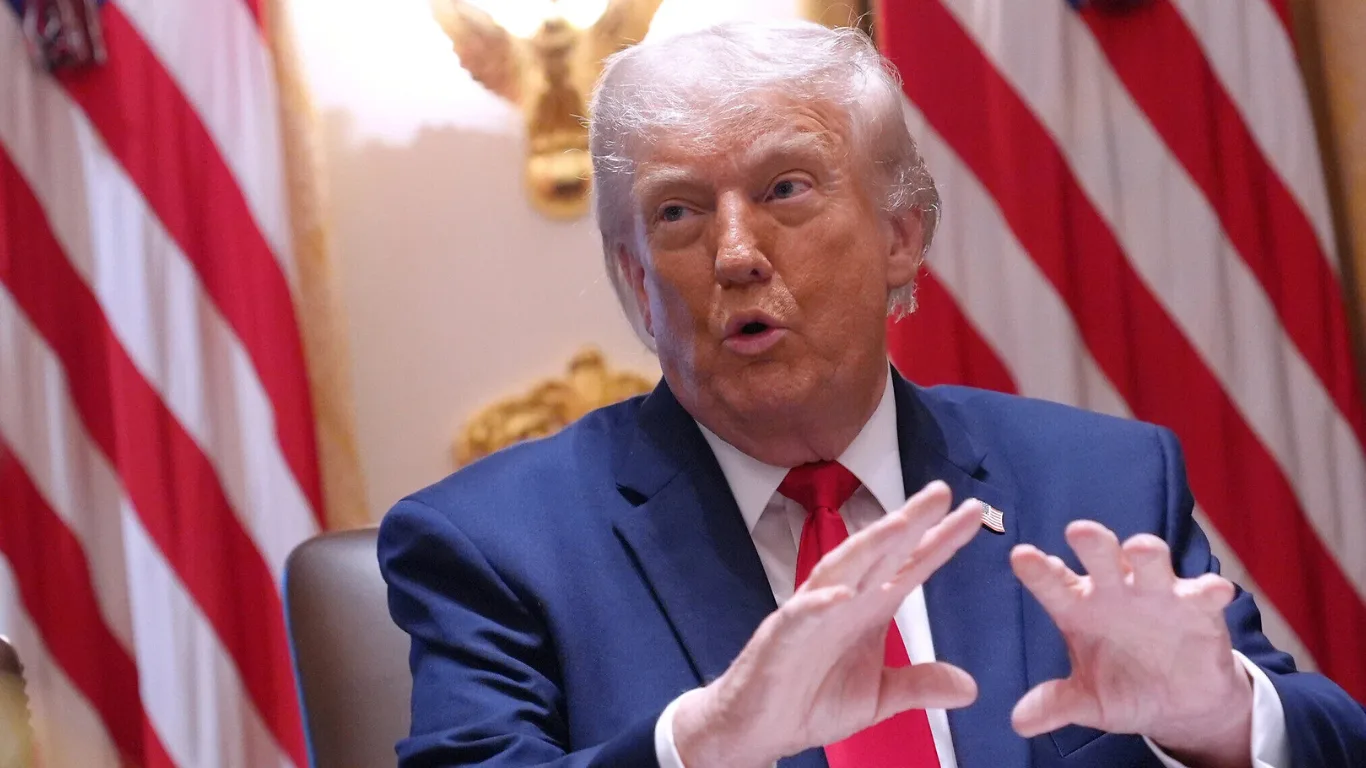
Trump Iran nuclear deal talks have reached a tipping point that the world is watching with quiet alarm. The U.S. President gathered his top advisers in the Situation Room, promised a "final determination," walked out, and announced nothing. That gap between the dramatic setup and the anticlimactic outcome tells you almost everything you need to know about where U.S.-Iran negotiations stand right now.
Why the Trump Iran Nuclear Deal Talks Actually Matter to You
This is not just a Washington story. Iran sits at the entrance of the Strait of Hormuz, a narrow waterway through which roughly 20 percent of the world's oil supply flows every single day. If that strait stays blocked or restricted, oil prices rise. When oil prices rise, fuel gets expensive. When fuel gets expensive, everything from groceries to airplane tickets costs more.
That is why even someone in Jaipur or Jakarta should pay attention to what happens in that Situation Room.
What Is Actually Happening: The Story So Far
The U.S.-Iran ceasefire deal is an attempt to end or pause an ongoing conflict between Israel and Iran, which entered its fourth month recently. Trump has been pushing for Iran to agree to certain conditions before the U.S. formally backs any deal. Those conditions, which the White House calls "red lines," include two major demands.
First, Iran must reopen the Strait of Hormuz to international shipping without interference. Second, Iran must agree to give up or destroy its highly enriched uranium stockpile, which is the material that could, in theory, be used to build a nuclear weapon.
Iran, for its part, has not agreed to these terms. Iranian officials have publicly accused the Trump administration of mixing facts with falsehoods in describing the state of negotiations. Tehran says no agreement has been reached. Trump says one is close. Both cannot be right.
Read More: New Flight Seat Rules 2026: 60% Free Seats & Family Seating Guide
The Situation Room Meeting: What Happened
Trump convened a high-level meeting in the White House Situation Room specifically to make what aides described as a "final determination" on whether to move forward with the Iran deal framework. Senior cabinet members attended. The meeting ended. Trump left. No decision was announced publicly.
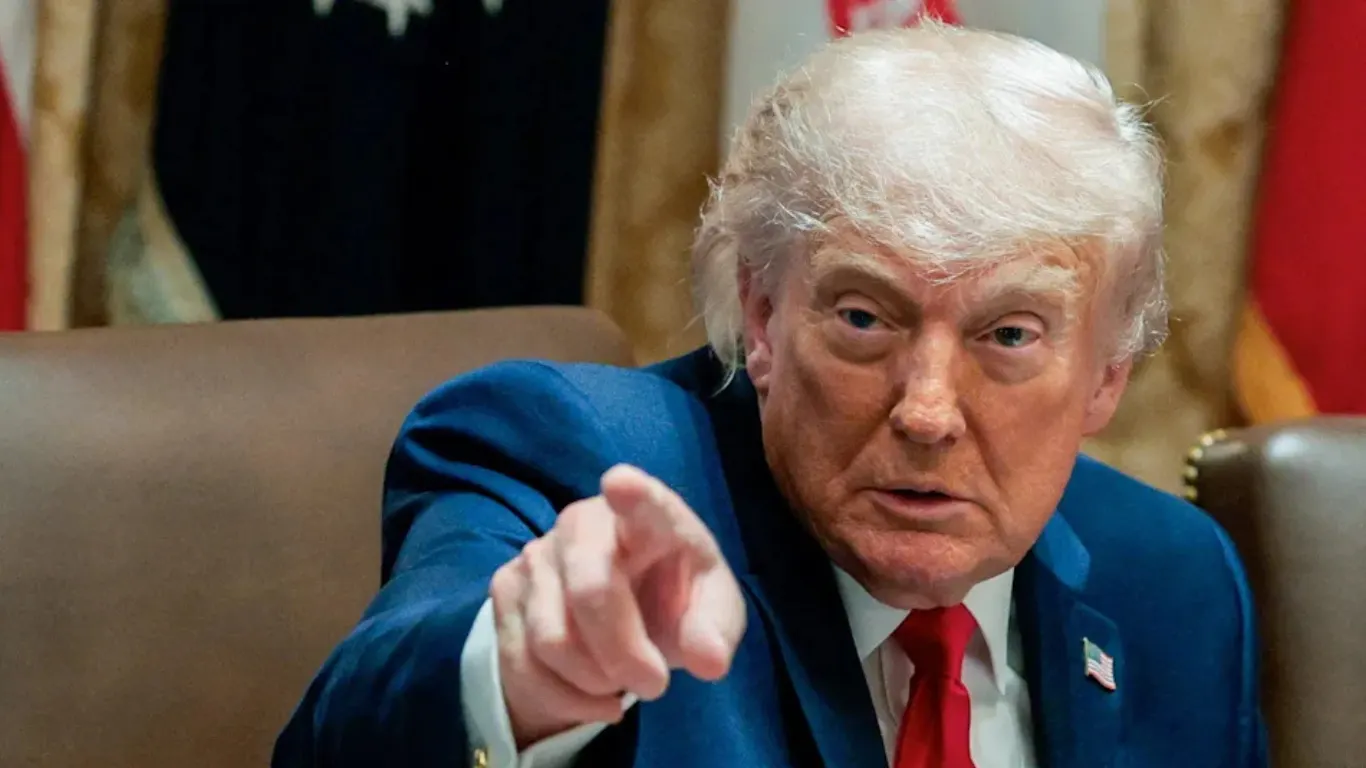
According to multiple reports, Trump walked out telling journalists he had not yet made up his mind, though he added that a decision was coming "soon." He also openly praised Iran's negotiating skills, calling them "very good negotiators." That is a notable thing to say about a country you are simultaneously threatening to "finish off" if they reject your terms.
The White House confirmed that any deal must meet their stated red lines. No flexibility was offered publicly on those conditions.
What Iran Has Said
Iran's response has been pointed. Officials called the U.S. framing a "mixture of truth and lies." They have not confirmed that any deal is being finalized. They have not confirmed that negotiations are even close to a conclusion. The Iranian government's public posture is one of firm resistance to what they see as ultimatums dressed up as diplomacy.
At the same time, U.S. and Iranian negotiators did reportedly reach a tentative agreement to extend the ceasefire and begin new Iran nuclear talks, according to one report. That is a small but real thing. It means the conversation has not collapsed entirely.
Read More: Iran-Israel War LIVE: Middle East Tensions & Global Stability
The Hormuz Strait: Why Trump Is Fixated on It
The Strait of Hormuz is about 33 kilometers wide at its narrowest point. It sits between Iran and Oman. Every day, tankers carrying oil from Saudi Arabia, Iraq, the UAE, Kuwait, and Qatar pass through it. If Iran blocks it, even partially, global oil markets react within hours.
Trump's demand that no single country control this strait is both a geopolitical position and a practical one. It is also a line Iran will not easily agree to cross, because control over that waterway is one of Tehran's most significant pieces of leverage in any negotiation.
What Happens If No Deal Is Reached
Trump has threatened military escalation if Iran refuses his administration's terms. The White House has not specified what form that escalation would take. Oil markets have already responded to the uncertainty, with prices dipping below $89 per barrel as traders try to calculate the odds of a deal versus a deeper conflict.
Read More: Shaheed Diwas : The Story of Bhagat Singh, Sukhdev & Rajguru
A failed deal does not automatically mean war. But it does mean a continued military situation in the region, higher energy price volatility, and a harder diplomatic path going forward.
Closing Thoughts
There is something worth sitting with here. Trump entered the Situation Room to make a "final" decision and emerged without making one. Iran says no deal exists. The U.S. says one is close. Both sides are simultaneously negotiating and posturing. That is not unusual in diplomacy. What is unusual is the speed at which this administration speaks in absolutes, and then quietly retreats from them.
Whether a deal comes together or falls apart, the Strait of Hormuz will remain the hinge point. Everything circles back to that narrow strip of water.
Read More: Who Was Bhagat Singh? 10 Facts About the Young Hero
Disclaimer: This article is based on information available across the web. Parchar Manch does not take responsibility for its complete accuracy, as the content could not be fully verified.
FAQs
What is Trump's Iran deal about?
It is a proposed agreement between the United States and Iran to pause the ongoing Iran-Israel conflict, reopen the Strait of Hormuz to free shipping, and address Iran's nuclear program, specifically its stockpile of enriched uranium.
Has any deal been signed with Iran?
No. As of the latest reports, Trump held a Situation Room meeting to decide on the deal but left without announcing a final decision. Iran has publicly denied that any agreement has been finalized.
What are Trump's red lines in the Iran nuclear talks?
Trump has insisted that Iran must reopen the Strait of Hormuz and agree to destroy or surrender its enriched uranium stockpile before any deal moves forward.
Why does the Strait of Hormuz matter so much?
About 20 percent of the world's oil supply passes through this narrow waterway daily. Any disruption there directly affects global oil prices and, by extension, everyday costs for people around the world.
What did Iran say about the negotiations?
Iranian officials described the U.S. framing of the talks as a "mixture of truth and lies" and have not confirmed that any agreement is close to being finalized.
What happens if the deal fails?
A failed deal risks continued military conflict in the region, energy market instability, and a significant escalation in U.S.-Iran tensions. Trump has warned of further military action if Iran rejects his terms.