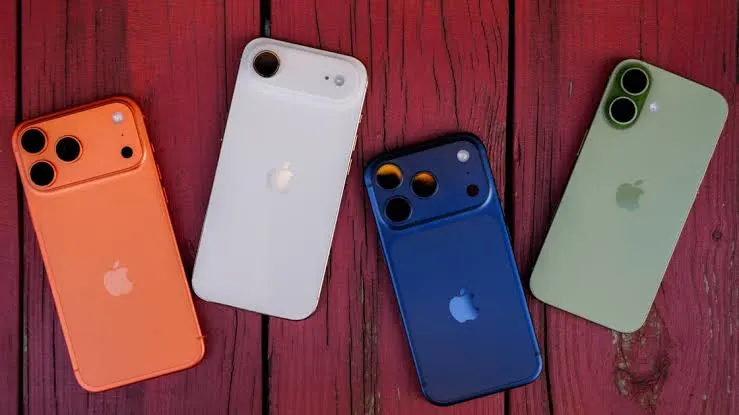
iPhone 17: Why Apple's Most Affordable Flagship Is Still a Top Choice in 2026
Here is something that genuinely surprised me. Nearly a year after launch, the iPhone 17 is still the best selling smartphone on the planet. Not the newest one. Not the flashiest one. Just, somehow, the one people keep actually buying. That says more about this phone than any spec sheet could.
Released back in September 2025, the iPhone 17 was positioned as Apple's most affordable flagship, sitting below the iPhone Air, the iPhone 17 Pro, and the iPhone 17 Pro Max in the lineup. Cheaper on paper, but clearly not cheaper in the ways that matter to buyers.
Why This Actually Matters Right Now
You might be thinking, why should I care about a phone that launched almost a year ago, isn't the next one already coming. Fair point, and we will get there. But here is the thing, Counterpoint Research found that the iPhone 17 captured 6 percent of worldwide smartphone unit sales in the first quarter of 2026 alone, making it the single best selling smartphone globally. The iPhone 17 Pro Max and iPhone 17 Pro landed right behind it in second and third place. Apple, as a whole, topped the global smartphone market that quarter for the first time ever, grabbing 21 percent of shipments while the broader market actually shrank.
If you are deciding whether to buy now or wait, that context matters. A phone this popular, still selling this well, tells you Apple got the fundamentals right.
What The iPhone 17 Really Is
Think of the iPhone 17 as Apple's answer to the question, what does a flagship phone need and nothing more. No unnecessary complexity, no Pro-tier price tag, just a well built, genuinely capable device. It runs on Apple's A19 chip, built to support Apple Intelligence, Apple's on-device AI features. The display is a 6.3-inch OLED panel with 120Hz ProMotion refresh and Always-On functionality, meaning scrolling feels smooth and your lock screen stays visible without draining the battery the way older phones would.
On the back, you get a dual-lens camera system, two 48-megapixel lenses working together. There is also Apple's own networking chip, more scratch-resistant front glass than previous generations, a Camera Control button for quick access to shooting modes, and the customizable Action button that debuted a few generations back.
Read More: Why Venezuela's Acting President Delcy Rodriguez Is Visiting India Right Now, and What It Really Means
How The iPhone 17 Lineup Actually Works
- iPhone 17e sits at the entry point, Apple's 2026 budget option, with a 6.1-inch OLED display at 60Hz, the same A19 chip, 256GB of storage, and a single 48MP main camera.
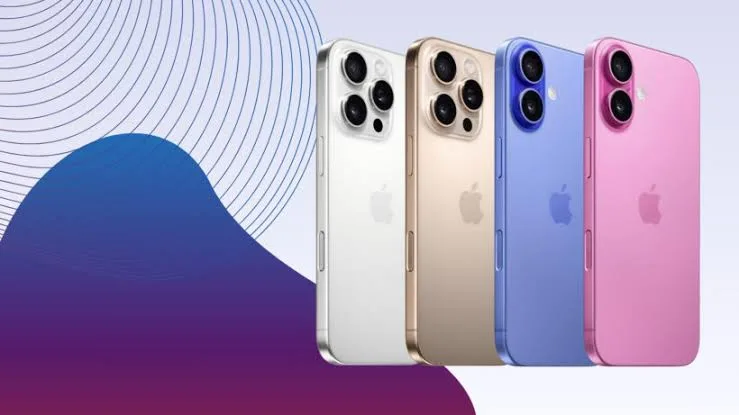
- iPhone 17 is the standard flagship, 8GB of RAM, 256GB base storage, and the full 120Hz display experience.
- iPhone Air takes a different design direction entirely, prioritizing slimness.
- iPhone 17 Pro and Pro Max push further into pro segmentation, with storage options now reaching up to 2TB for people doing heavy content or business work on the move.
Each tier is built around a specific kind of buyer, so the actual decision usually comes down to what you personally need, not what looks impressive in a keynote.
Read More: Praggnanandhaa Beats Magnus Carlsen Twice at Norway Chess 2026: What Just Happened Is Historic
Real World Examples From The Iphone 17 Rollout
Apple's own pricing moves this year tell a story worth noticing. Tim Cook told the Wall Street Journal in June that cost increases were, in his words, unavoidable, and that Apple had tried to shield customers before hitting a wall. Around the same time, a Chinese leaker claimed Apple had lowered its demand forecast for the standard iPhone 17, with some production lines reportedly shifting from a 15 percent reduction to suspending closer to a third of their capacity. That claim has not been independently verified, so treat it with some caution, but it does line up with the broader story of rising hardware costs squeezing the whole industry.
Mistakes People Keep Making When Buying An iPhone 17
A common one, assuming waiting for the next model always makes sense. It does not, not automatically. The next standard iPhone update is not expected before spring 2027, since Apple has shifted its release schedule so the Pro line and a foldable model land in September 2026, while the standard lineup refresh comes later. If you need a phone now, waiting nearly a year for marginal gains rarely pays off. Another mistake, ignoring the iPhone 17e simply because it is the cheaper option, when for a lot of everyday use it covers the essentials just fine.
Pro Tips That Actually Help
If storage matters to you, the Pro and Pro Max now go up to 2TB, worth considering if you shoot a lot of video or run a business from your phone. Also, keep an eye on trade-in and financing deals, several retailers have been offering close to 1,100 dollars off a new iPhone 17 through trade-in programs this July, which meaningfully changes the value equation.
Closing Thoughts
There is something almost reassuring about a phone that just keeps selling, quietly, without needing constant hype to justify itself. The iPhone 17 did not reinvent anything dramatic, it just executed well, and a year later, that restraint is exactly why it is still winning.
Disclaimer: This article is based on information available across the web. Parchar Manch does not take responsibility for its complete accuracy, as the content could not be fully verified.
FAQs
When was the iPhone 17 released?
It launched on September 19, 2025.
What chip does the iPhone 17 use?
It runs on Apple's A19 chip, which supports Apple Intelligence.
Is the iPhone 17 still worth buying in 2026?
Yes, especially since the next standard model is not expected until spring 2027.
How much storage does the iPhone 17 Pro Max offer?
Storage now goes up to 2TB on the Pro and Pro Max models.
Is the iPhone 17 actually the best selling phone right now?
Yes, it was the best selling smartphone globally in the first quarter of 2026.