Iran Accuses UAE of Direct Aggression: What the BRICS Clash Reveals About the Gulf's Hidden War
Something unusual happened at the BRICS Foreign Ministers' meeting in New Delhi. Two member nations sat across from each other and publicly accused each other of acts of war. Not quietly, through back channels, or buried in diplomatic communiques. Openly. With evidence reportedly submitted to the United Nations.
The Iran-UAE conflict has moved from whispered allegations into a formal diplomatic confrontation, and the implications stretch far beyond the Gulf.
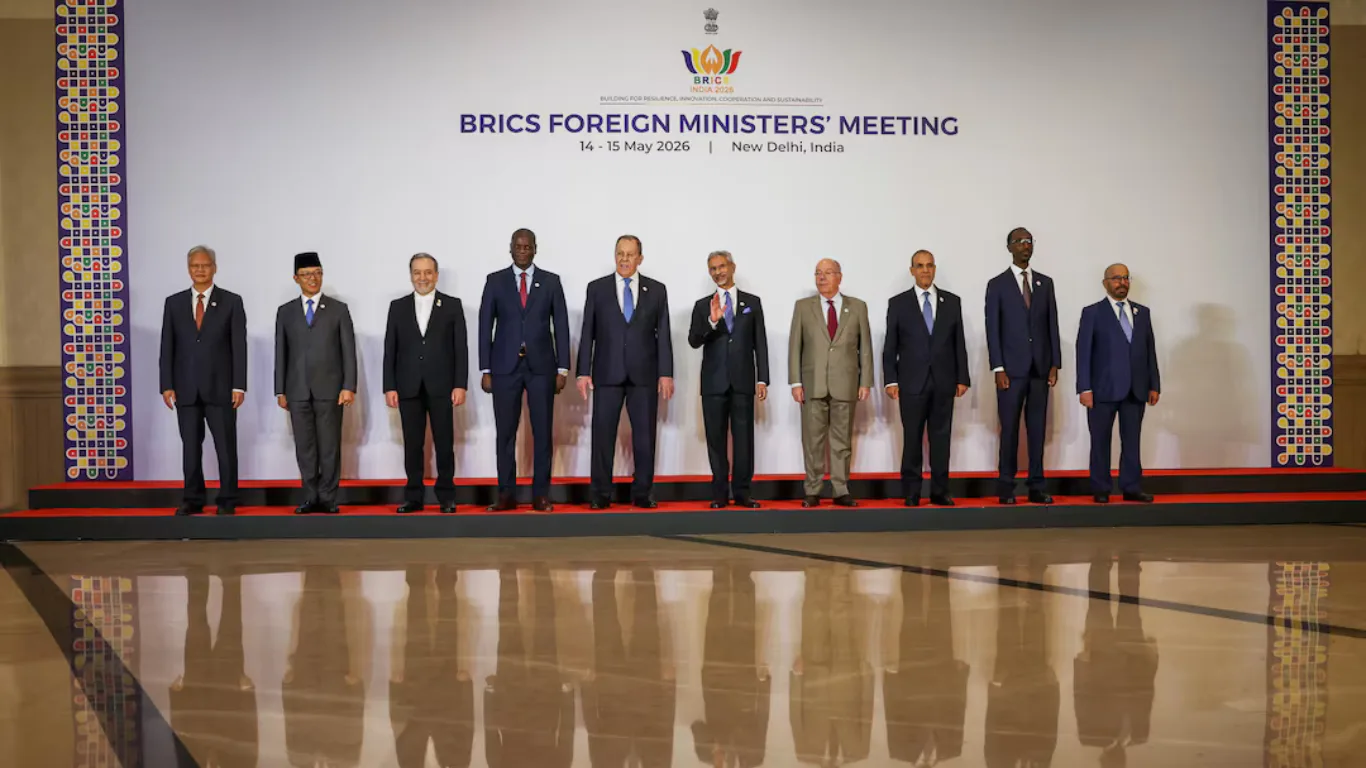
Why the Iran-UAE Dispute Erupted at BRICS in New Delhi
The setting itself is worth noting. BRICS, a grouping that includes Brazil, Russia, India, China and South Africa, with Iran itself a newer member, was always meant to be a space for emerging economies to coordinate on trade, development and geopolitical concerns. It was not supposed to become a battlefield for regional war accusations.
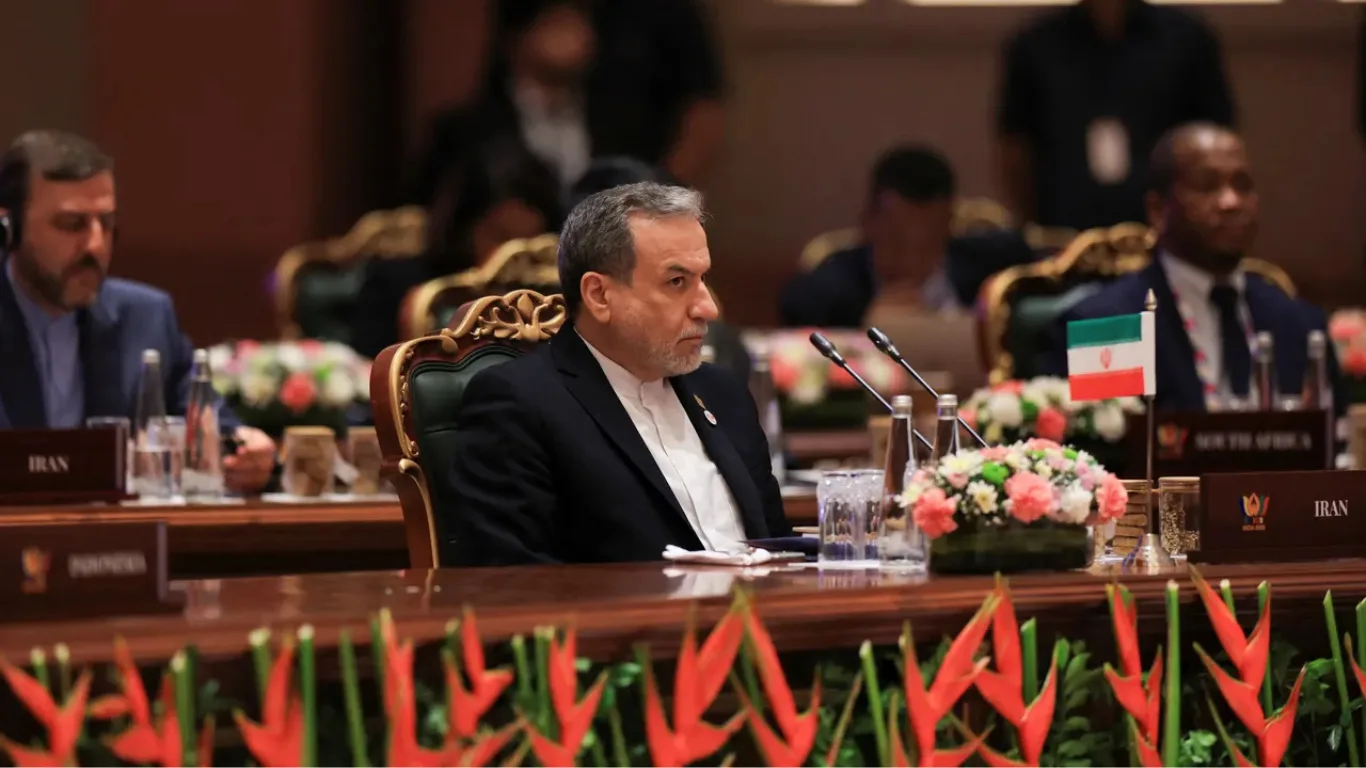
And yet, at the New Delhi meeting, Iran's Foreign Minister Abbas Araghchi directly accused the UAE of being "directly involved in an act of aggression against my country." Iran's Deputy Foreign Minister for Legal and International Affairs, Dr Kazem Gharibabadi, reportedly submitted evidence of this involvement to the United Nations. The UAE delegation responded, and Iran responded to that response. The BRICS meeting's chances of producing a joint statement quietly collapsed under the weight of the exchange.
Read More: Google's REPLIQA Program: How Quantum AI and Life Sciences Are About to Change Medicine Forever
What Iran Is Actually Alleging Against the UAE
This is the part that deserves careful attention. The Iran-UAE tensions are not new, but the nature of the accusation is.
According to multiple credible reports, including one from the Wall Street Journal, the UAE secretly carried out military strikes against Iran as part of the broader conflict involving Israel and the United States. Reports indicate that the UAE Air Force attacked an oil refinery on Iran's Lavan Island. Israel reportedly sent Iron Dome batteries and Israeli personnel to the UAE during Iranian retaliatory attacks. Australia has separately insisted its support for the UAE does not involve action against Iran, which suggests that the UAE's alignment in this conflict is being widely discussed at the diplomatic level.
Iran's foreign ministry put it in stark terms. Tehran called the UAE "an aggressor, not merely an accomplice to aggression," and in some Iranian media and official communications, called the UAE a hostile state and accused it of colluding with Israel. Araghchi posted on X that those colluding with Israel would be "held to account."
The UAE has not publicly confirmed participation in any strikes against Iran.
Read More: Hantavirus Outbreak on MV Hondius: What Really Happened on That Cruise Ship , And Why It Matters
The Lavan Island Attack and What It Means
Lavan Island is a strategically significant location for Iran. It hosts an oil refinery and sits in the Persian Gulf, not far from critical shipping lanes. If UAE forces did strike there, it would represent a dramatic escalation from a country that has historically tried to maintain a careful balancing act in the region.
The UAE has quietly deepened its security ties with Israel since the Abraham Accords of 2020. This includes defence cooperation, intelligence sharing, and now, if reports are accurate, active military coordination during an ongoing conflict. That is a significant development for the Gulf security landscape.
Iran's Ceasefire and the Complication of UAE Involvement
There is another layer here. Reports indicate that an Iran-US ceasefire has been in place, but that ceasefire has been shaken by fresh missile and drone attacks, some intercepted by UAE air defences. The Strait of Hormuz remains a focal point, with world leaders, including those at the Trump-Xi summit, also discussing the need for stability in the waterway.
Iran has called on all BRICS nations to condemn what it describes as a US-Israeli war against the country. That call places BRICS member states in an uncomfortable position, particularly India, which hosted the meeting and has relationships with both sides.
What This Means for Global Energy Markets and Regional Stability
The Persian Gulf tensions have direct consequences for oil prices, shipping routes and global energy supply. The Strait of Hormuz handles roughly a fifth of the world's oil trade. Any escalation involving the UAE, one of the world's most significant oil producers and a hub for global finance and logistics, adds fresh pressure to markets already strained by conflict.
India, which imports significant volumes of oil from the Gulf and has a large diaspora in the UAE, is watching this closely. Prime Minister Modi's visit to Abu Dhabi on May 15, which focused on energy cooperation and trade, takes on a particularly complex dimension against this backdrop.
The Bigger Picture: A Gulf No Longer Sitting on the Fence
For years, the UAE positioned itself as a pragmatic actor in a volatile region. The Abraham Accords with Israel were presented as a path to economic modernisation and regional integration. What is emerging now is that this path carried a military dimension that Tehran was watching carefully.
The BRICS clash in New Delhi is a signal. The Gulf's so-called neutral actors are not neutral. They are choosing sides, quietly at first, and now with enough evidence on the table that Iran felt ready to say so publicly, at a multilateral forum, with documentation submitted to the UN.
Whatever happens next in the Iran-UAE dynamic will reverberate across energy markets, diplomatic groupings, and the fragile ceasefire architecture being discussed in Washington, Beijing, and beyond.
Disclaimer: This article is based on information available across the web. Parchar Manch does not take responsibility for its complete accuracy, as the content could not be fully verified.
Read More: How to Find the Right Legal Advisor Near Me: The Complete Guide to Getting Real Legal Help
FAQs
What did Iran accuse the UAE of at the BRICS meeting?
Iran's Foreign Minister Araghchi accused the UAE of being "directly involved in an act of aggression" against Iran. Iran's Deputy FM also reportedly submitted evidence of UAE military involvement to the United Nations.
Did the UAE actually carry out strikes against Iran?
Multiple credible media reports, including from the Wall Street Journal and Bloomberg, indicate that the UAE secretly carried out military strikes against Iran, including a reported attack on an oil refinery on Iran's Lavan Island. The UAE has not publicly confirmed this.
What is the connection between the UAE and Israel in this conflict?
Reports indicate Israel sent Iron Dome batteries and Israeli personnel to the UAE during Iranian attacks, suggesting active military coordination between the two countries under their Abraham Accords defence relationship.
How does this affect India and the BRICS meeting?
The public confrontation between two BRICS members significantly complicated hopes for a joint statement from the New Delhi meeting. India, which has relations with both Iran and the UAE, was placed in a difficult diplomatic position as the host nation.
Why does the Strait of Hormuz matter in this context?
The Strait of Hormuz handles roughly a fifth of global oil trade. Any conflict or escalation involving the UAE and Iran directly threatens the safety and operation of this critical waterway, with consequences for global energy prices and supply chains.
Is there a ceasefire between Iran and the US?
Reports indicate an Iran-US ceasefire was in place, but it has been strained by ongoing missile and drone activity in the region, some of which has been intercepted by UAE air defences.