Iran Supreme Leader Funeral: Inside The Six Days That Buried An Era In Mashhad
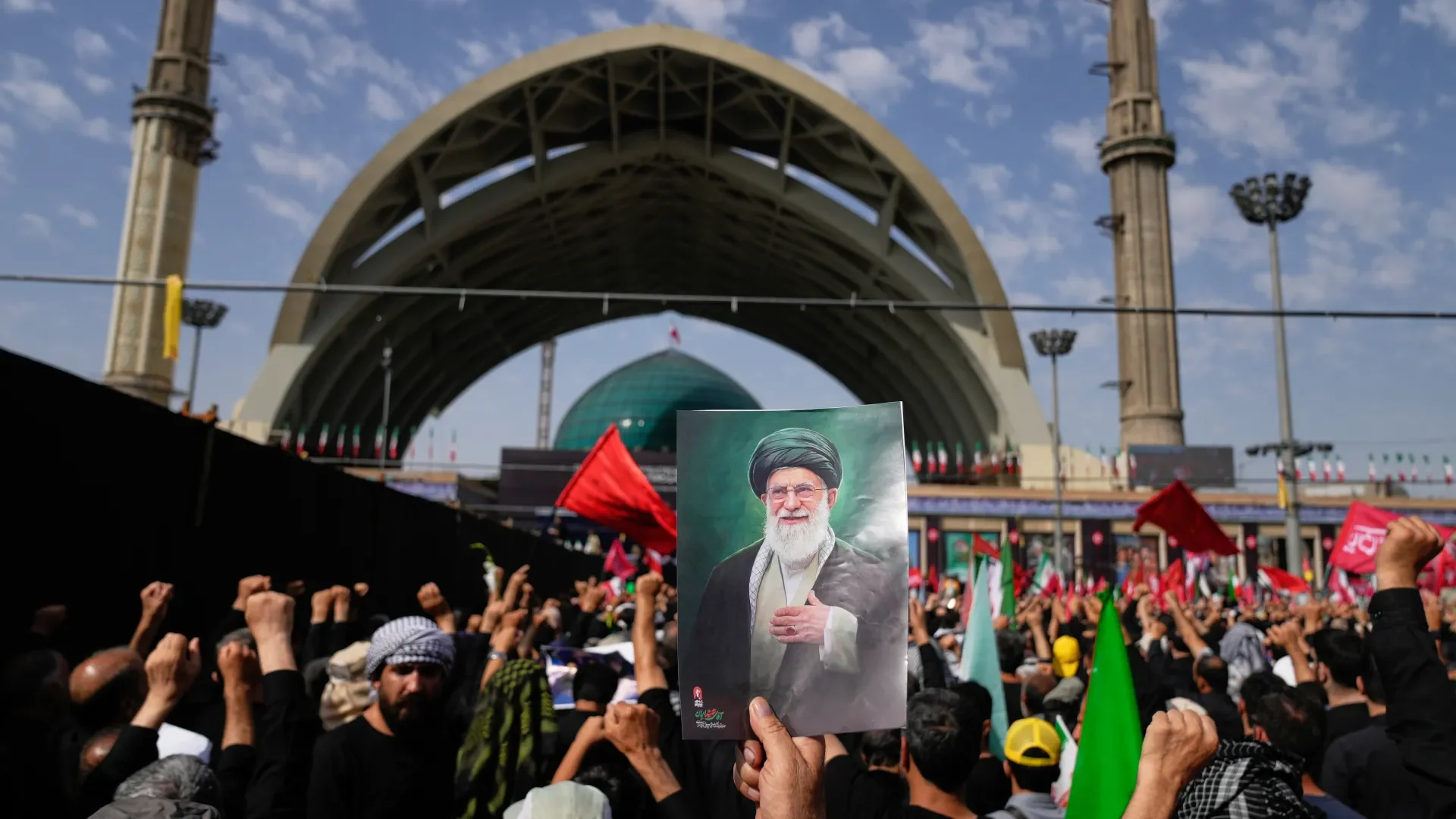
Millions of people in black, moving through streets in Tehran, Qom, Najaf, Karbala and finally Mashhad. That is not an exaggeration, that is roughly what happened over six days in July 2026. The Iran Supreme Leader funeral for Ayatollah Ali Khamenei was not a quiet state ceremony tucked away from cameras, it was one of the largest funeral gatherings in recent memory, and honestly, understanding why it unfolded the way it did tells you a lot about where Iran stands right now, mid-2026, still shaken from a war that ended his life.
Why This Actually Matters
Here is the part that is easy to miss if you only catch headlines in passing. Khamenei ruled Iran for more than three decades. He was killed on February 28, 2026, in a joint US-Israeli strike that also killed several members of his family, right at the start of the war between the US, Israel and Iran. His death was not from illness or old age in the ordinary sense, it came in the middle of active conflict, which changes everything about how a nation mourns and what comes next politically. If you care about oil prices, regional stability, or simply understanding why the Middle East news cycle has felt so heavy this year, the Ali Khamenei funeral is not a side story. It is the story. Even the timing of the Iran mourning period that followed his death became its own geopolitical talking point.
What Actually Happened, Explained Simply
Think about a country pausing almost completely to bury its most powerful figure while still recovering from the shock of how he died. That is the emotional core here. The funeral was originally meant to happen back in March, only days after his death, but the war made that impossible, so it was postponed and finally held from July 3 to 9, 2026, months later than planned.
The government declared a 40-day Iran mourning period and a week-long public holiday, no, that is not quite right, let me be precise, the holiday covered the main funeral days themselves rather than the entire mourning stretch. Iranian officials estimated that around 15 million people, and some reports suggested figures closer to 30 million across the full event, would take part in the farewell and funeral ceremonies of this Iran Supreme Leader funeral.
How The Iran Supreme Leader Funeral Unfolded, Step By Step
- Lying in state in Tehran: Beginning July 3 to 4, Khamenei's body, along with those of family members killed in the same strike, lay in state at the Imam Khomeini Grand Mosalla, a massive prayer complex where mourners queued for hours.
- Procession through Qom: The coffin then moved to Qom, Iran's religious and clerical hub, for further ceremonies and prayers.
- Journey into Iraq: From there, the procession crossed into Iraq, stopping at the Shia holy cities of Najaf and Karbala, where Iraqi officials and religious figures received the coffin.
- Return to Iran: Following the Iraqi leg, the coffin was flown back to Iran, escorted by fighter jets, landing near Mashhad.
- Burial in Mashhad: On July 9, the final ceremony of the Iran Supreme Leader funeral took place at the Imam Reza shrine Mashhad, Khamenei's birthplace, where he was buried alongside his infant granddaughter, his son-in-law, his daughter, and his son Mojtaba's wife, all killed in the same February strike.
Each stage was not arbitrary, these cities carry deep religious weight in Shia Islam, and moving the body through all of them was meant to cement Khamenei's legacy across the wider Shia world, not just inside Iran. Together, these stages made the Iran Supreme Leader funeral one continuous story stretching from Tehran to the Imam Reza shrine Mashhad.
Real-World Examples That Make This Concrete
Take the numbers around foreign participation. Delegations from around 100 countries reportedly attended parts of the ceremonies, and Iraqi Prime Minister Ali al-Zaidi personally received the coffin at Najaf International Airport alongside senior Iraqi officials and Shi'ite religious figures. That is not a small, local funeral, that is a coordinated regional event.
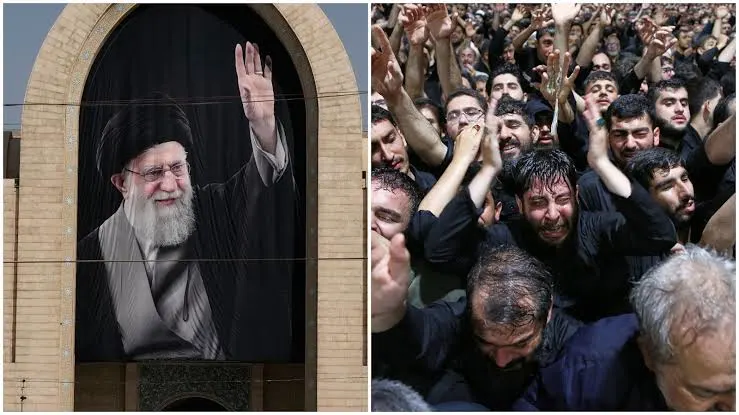
Or take the question everyone kept asking during the Iran Supreme Leader funeral, where was Mojtaba Khamenei, Ali Khamenei's son and named successor as the new supreme leader. His absence turned the entire Mojtaba Khamenei succession question into the most discussed thread of the event. He was reportedly seriously wounded in the same strike that killed his father, and he did not appear publicly throughout the entire funeral, communicating only through written statements. That absence alone raised real questions about who is actually running the country day to day.
Mistakes People Keep Making When Reading This Story
A common mistake is assuming a funeral this large automatically means unified public grief across the entire Ali Khamenei funeral. That oversimplifies things. Iranian human rights groups have documented thousands of deaths during anti-government protests that broke out in December 2025, and some Iranians who spoke to journalists during the funeral, under condition of anonymity out of fear of retaliation, said the ceremonies brought them little comfort, some even described lingering anger toward the very government now mourning so publicly.
Another mistake, treating the aggressive rhetoric seen during the processions, chants, symbolic effigies, calls for revenge, as representative of every attendee's personal feelings rather than partly state-organized display. Both things can be true at once, genuine grief among many mourners, and organized political messaging layered on top.
Pro Tips For Actually Following This Story
Keep watching for three things. First, whether Mojtaba Khamenei succession actually solidifies, since a leader who has not appeared publicly since his father's death faces real legitimacy questions under Iran's constitution, which requires the supreme leader to hold senior clerical standing, a question the Ali Khamenei funeral itself never resolved. Second, track how the Imam Reza shrine Mashhad burial site becomes a pilgrimage and political symbol going forward, similar to how Ayatollah Khomeini's mausoleum functions today. Third, pay attention to whether the broader Iran mourning period of 40 days produces any shift in government messaging or policy once the funeral spectacle fades from headlines.
Closing Thoughts
There is something genuinely strange about watching a nation bury a man who ruled it for over thirty years while that same nation is still absorbing the shock of the war that killed him. The Iran Supreme Leader funeral was never just about grief, it was about legacy, succession, and a government trying to project unity and continuity at a moment when both feel genuinely uncertain. Whether Mashhad becomes the quiet end of this chapter or the start of a far more complicated one, that depends entirely on what happens next inside Iran, not on the ceremonies themselves.
Disclaimer: This article is based on information available across the web. Parchar Manch does not take responsibility for its complete accuracy, as the content could not be fully verified.
FAQs
Who was Iran's Supreme Leader who died?
Ayatollah Ali Khamenei, Iran's second supreme leader who had ruled since 1989, was killed on February 28, 2026, in a joint US-Israeli strike at the start of the war between the two countries and Iran.
When and where was the Iran Supreme Leader funeral held?
The funeral ran from July 3 to 9, 2026, with ceremonies in Tehran, Qom, the Iraqi cities of Najaf and Karbala, and final burial at the Imam Reza shrine in Mashhad.
Why was the funeral delayed for months after his death?
It was originally planned for March 2026, only days after Khamenei's death, but the outbreak of war between the US, Israel and Iran forced officials to postpone it until July.
Who is the new supreme leader of Iran?
Mojtaba Khamenei, Ali Khamenei's son, was named his successor, though the Mojtaba Khamenei succession remained clouded since he had not appeared publicly since being seriously wounded in the same strike that killed his father.
How many people attended the funeral?
Iranian officials estimated around 15 million participants across the ceremonies, with some reports suggesting figures as high as 30 million over the full six days.
Were other family members buried alongside Khamenei?
Yes, his infant granddaughter, his son-in-law, his daughter, and his son Mojtaba's wife were all killed in the same February strike and buried together with him in Mashhad.