JEE Advanced 2026 Result Declared: Shubham Kumar Tops India, Scores 330 Out of 360 — Everything You Need to Know
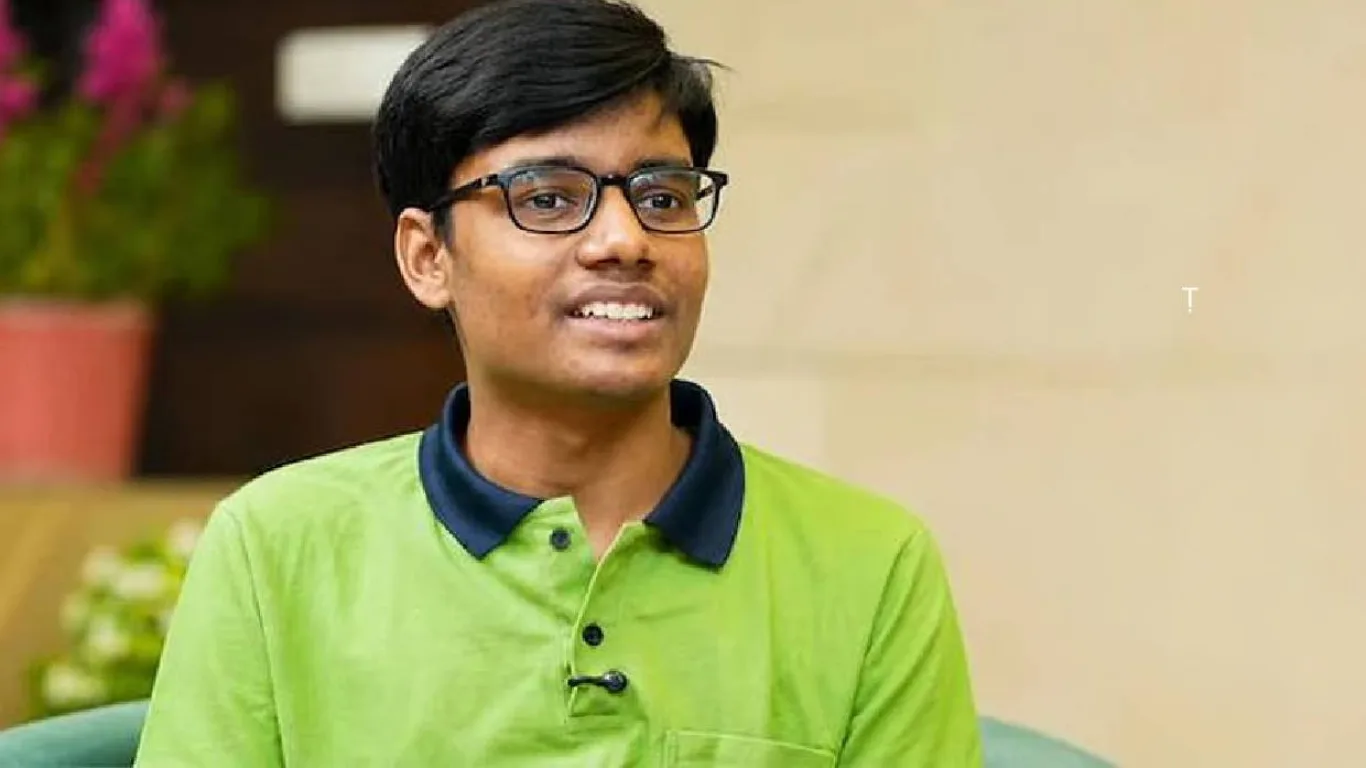
JEE Advanced 2026 result is out, and it landed with the kind of quiet drama that only this exam can produce. IIT Roorkee declared the results on June 1, 2026, and Shubham Kumar from Varanasi, Uttar Pradesh, has emerged as the All India Rank 1 holder with 330 out of 360 marks. The IIT Delhi zone did not just produce the topper it swept all three top positions in the Common Rank List. That has not gone unnoticed.
For the nearly 1.8 lakh students who appeared, today was the day months of preparation either paid off or pointed somewhere new.
Why the JEE Advanced 2026 Result Matters Beyond the Toppers List
It is easy to read the result as a scoreboard. Rank one here, rank two there. But JEE Advanced is not quite like other exams. It is the final filter before the Indian Institutes of Technology 23 IITs open their doors. Getting through it means more than a seat. For many families, especially those from smaller cities and towns, it represents a kind of social mobility that is hard to explain and harder to overstate.
This year, 1,87,389 candidates registered. Of them, 1,79,694 actually appeared for both Paper 1 and Paper 2, held on May 17, 2026. Out of those, 56,880 have qualified. That is a qualification rate of roughly 31 percent among those who appeared. Competitive, but not impossible.
The Toppers of JEE Advanced 2026
Shubham Kumar is the name everyone is searching today. He secured AIR 1 with 330 marks from the IIT Delhi zone. He had already topped JEE Main 2026 Session 1, scoring 295 out of 300 and achieving the 100 percentile. He credits his teachers' guidance and consistent family support from his home in Gaya, Bihar. The consistency he showed across both JEE Main and JEE Advanced two very different exam styles is what sets his result apart.
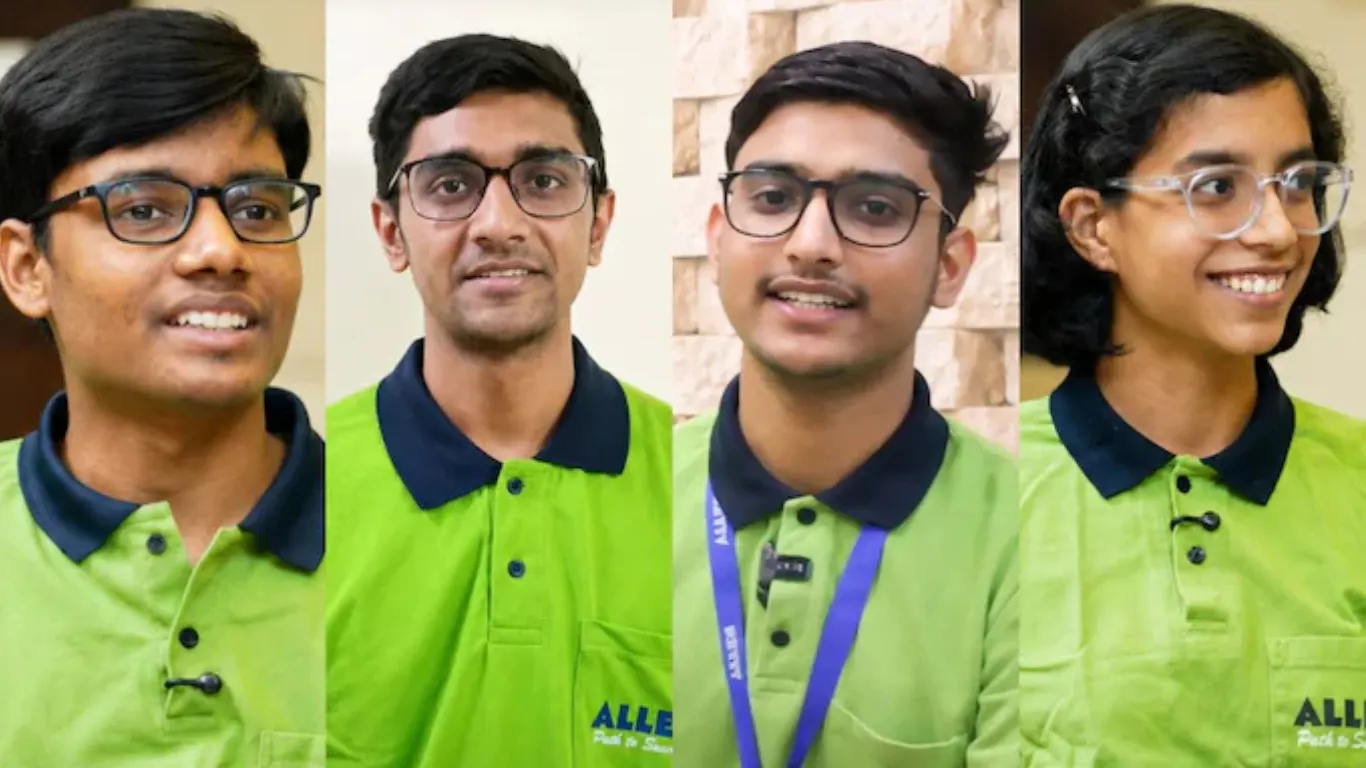
Kabir Chhillar came second with 329 marks, just one mark behind the topper. One mark. In a paper where every question carries weight and negative marking can undo an hour of effort, that gap is both humbling and extraordinary.
Jatin Chahar secured the third rank with 319 marks. All three Shubham, Kabir, and Jatin belong to the IIT Delhi zone, making it a clean sweep of the top three positions.
Among female candidates, Arohi Deshpande, also from the IIT Delhi zone, is the top-ranked woman with CRL 77 and a score of 280 out of 360. Of the 56,880 total qualifiers, 10,107 are female candidates a number that continues to grow year on year, reflecting a slow but real shift in who is taking and clearing this exam.
What Is JEE Advanced and How Does It Actually Work?
Not everyone reading this will be a returning test-taker, so it is worth explaining simply. JEE Advanced is the second stage of India's engineering entrance process. The first stage, JEE Main, is conducted by NTA and serves as a qualifier. Only the top 2.5 lakh candidates from JEE Main are eligible to appear for JEE Advanced.
JEE Advanced itself consists of two mandatory papers Paper 1 and Paper 2 each three hours long, covering Physics, Chemistry, and Mathematics. It is administered by one of the IITs on a rotational basis. This year, IIT Roorkee held that responsibility.
The exam is known for its non-standard question types. Unlike JEE Main, which leans on application-based MCQs, JEE Advanced uses complex formats multiple correct answers, paragraph-based questions, integer-type answers that test whether a student truly understands a concept, not just whether they have memorised it.
How to Check the JEE Advanced 2026 Result and Download the Scorecard
Candidates can access the result on the official website: jeeadv.ac.in. The steps are straightforward. Log in using your roll number, date of birth, and registered mobile number. Once you submit, the scorecard appears, which contains the candidate's name, subject-wise marks, total marks, All India Rank, category-wise rank, and qualification status.
Keep the scorecard saved. It will be needed for the JoSAA counselling process the next critical step for qualified candidates.
Read More: Trump's "Mandatory" Demand: Why Saudi Arabia and Qatar Must Now Choose Between Iran and Israel
What Qualified Candidates Must Do Next: JoSAA Counselling 2026
Clearing JEE Advanced is not the final step. The JoSAA counselling Joint Seat Allocation Authority is what translates a rank into an actual IIT seat. The process runs in rounds, typically six, where candidates fill in their preferences for institutes and branches. Seats are allocated based on rank, category, and availability.
IIT Roorkee Director Prof Kamal Kishore Pant has already advised all qualified candidates to participate in JoSAA counselling, regardless of their class 12 percentage, subject to eligibility conditions mentioned in the information brochure.
Missing the counselling window, even with a strong rank, means missing the seat. That is a mistake students make, assuming their rank alone secures admission. It does not.
Read More:Pope Leo XIV's "Magnifica Humanitas": The Church's Bold Stand Against AI Dehumanization
Mistakes Students Make After the Result
The most common one is waiting too long to read the JoSAA instructions. Every year, students with solid ranks miss deadlines or fill preferences in the wrong order. Another frequent mistake is ignoring the class 12 eligibility criteria the final admission is conditional on meeting those requirements, which vary slightly by institute.
Also, some students apply only to IITs through JoSAA and skip the NIT and IIIT preferences. If the IIT seat preference does not materialise, having backup options within the same form matters.
Closing Thoughts
Shubham Kumar topped JEE Main and JEE Advanced in the same year, from Varanasi, with the kind of consistency that is quietly remarkable. He did not chase the spotlight. He followed his teachers, studied with his family's support, and showed up. That is the simplest and most honest story behind a rank. Behind every number in that list of 56,880 qualifiers, there is a version of the same story long hours, uncertain mornings, and a result that, today, finally means something.
Read More: Iran Reveals Mojtaba Khamenei's Injuries: What Really Happened the Day Tehran Was Struck
Disclaimer: This article is based on information available across the web. Parchar Manch does not take responsibility for its complete accuracy, as the content could not be fully verified.
FAQs
When was the JEE Advanced 2026 result declared?
The JEE Advanced 2026 result was declared on June 1, 2026 by IIT Roorkee, the organising institute for this year's examination.
Who is the JEE Advanced 2026 topper?
Shubham Kumar from the IIT Delhi zone topped the examination with 330 out of 360 marks, securing All India Rank 1.
How many candidates qualified JEE Advanced 2026?
A total of 56,880 candidates qualified this year, out of 1,79,694 who appeared in both papers. Of these qualifiers, 10,107 are female candidates.
Who is the top female candidate in JEE Advanced 2026?
Arohi Deshpande from the IIT Delhi zone topped among female candidates with CRL rank 77, scoring 280 out of 360 marks.
What is JoSAA counselling and is it mandatory after qualifying JEE Advanced?
JoSAA counselling is the Joint Seat Allocation Authority process through which IIT seats are allotted. Qualified candidates must register and participate in the counselling rounds to secure admission. Skipping it forfeits the seat, regardless of rank.
Where can I download the JEE Advanced 2026 scorecard?
Candidates can download the scorecard from the official website jeeadv.ac.in by logging in with their roll number, date of birth, and registered mobile number.