Iran US Israel War 2026: What's Actually Happening Right Now, Explained Simply
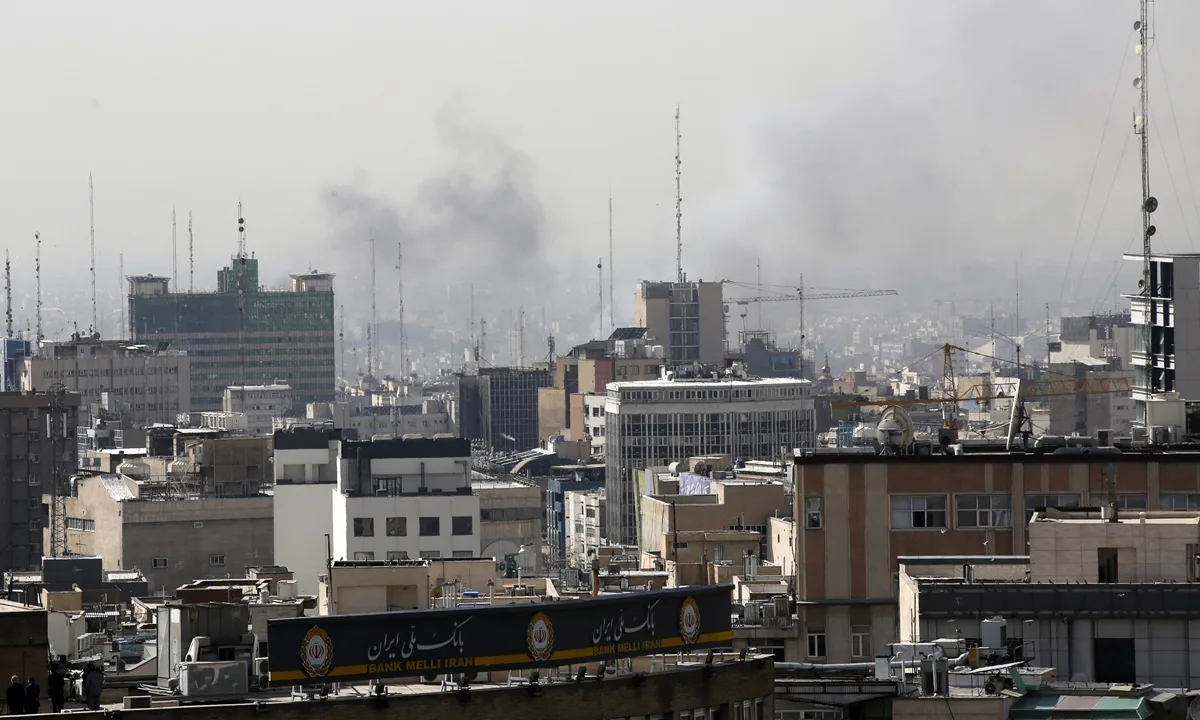
Tehran is preparing for a funeral this week. Not just any funeral, one for a man whose death, back in February, is part of the reason the entire Middle East has spent the last several months in this uneasy, simmering state. That's where we are with the Iran US Israel war 2026, a conflict that started with airstrikes and has since folded into something messier, part ceasefire, part negotiation, part quiet threat.
If you've only caught fragments of this story on your feed, headlines about Hormuz, about Lebanon, about talks in Doha, this article pulls it together. No jargon left unexplained. No skipped context.
Why This Actually Matters, Even If You're Far From the Region
Here's the honest answer: oil prices, shipping routes, and global markets all lean on what happens in the Strait of Hormuz, the narrow waterway between Iran and the Arabian Peninsula that a huge share of the world's oil passes through. When Iran threatens it, and it has, repeatedly, prices at your local petrol pump can move within days.
There's also the human weight of it. Over a million people were displaced in southern Lebanon during the early months of this war. Civilian casualties occurred inside Iran from the initial strikes. This isn't a distant chess match, it's a live conflict with real consequences still unfolding, and understanding it helps you read the news that follows without getting lost.
Read More: Akanksha Chamola Confirms Split From Gaurav Khanna: What Really Happened on Lock Up 2
What the Iran US Israel Conflict Really Is
Think of it like a long-simmering pot that finally boiled over. Tensions between Iran and Israel, and by extension the United States, had been building for years, the 2024 killing of Hamas leader Ismail Haniyeh, strikes on Iran's consulate in Damascus, and a shorter Twelve Day War in June 2025 that ended in ceasefire. Then, on February 28, 2026, the United States and Israel launched coordinated strikes on Iran, killing several officials including Supreme Leader Ali Khamenei.
Iran responded with missiles and drones aimed at Israel, US bases, and Gulf Arab states. The US Iran ceasefire that eventually followed didn't end tensions, it just paused open warfare while both sides negotiate deeper, thornier issues, frozen Iranian assets, sanctions relief, and the fate of Iran's nuclear programme. both sides negotiate deeper, thornier issues, frozen Iranian assets, sanctions relief, and the fate of Iran's nuclear programme.
How the Conflict Has Unfolded, Step by Step
- February 28, 2026: US and Israeli strikes hit Iranian military, government, and nuclear-linked sites, killing Khamenei and other senior officials.
- Retaliation: Iran launched missiles and drones at Israel, Gulf states including Saudi Arabia, the UAE, Bahrain, Kuwait, Oman and Qatar, and blocked movement through the Strait of Hormuz, triggering a global fuel crisis.
- Lebanon escalation: The Hezbollah Israel conflict intensified into what's now called the 2026 Lebanon war, with Israeli evacuation orders displacing over 1.1 million people and a ground operation pushing toward the Litani River.
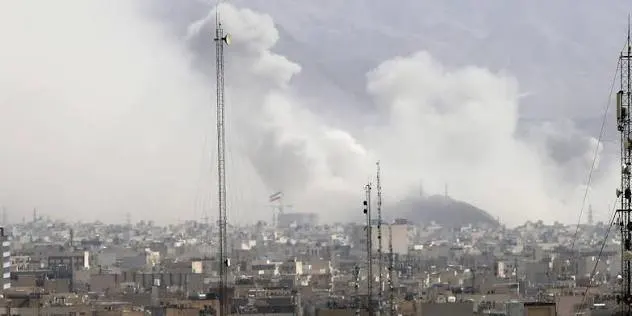
- June 17, 2026: The US and Iran signed a memorandum of understanding, extending a ceasefire by 60 days while negotiations continued on Hormuz, frozen assets, sanctions, and the Iran nuclear program.
- Late June to July: New friction emerged, US bombing incidents, Iranian strikes on US assets in Kuwait, and repeated Iranian warnings over Hormuz shipping routes.
- July 1 to 2, 2026: US and Iranian negotiators held indirect technical talks in Doha through Qatari mediators, with Qatar describing "positive progress," even as Iranian negotiators then paused diplomacy ahead of Khamenei's funeral.
Read More: Mountain Lions in California Preserve: How One Predator Quietly Rewired an Entire Ecosystem
Real-World Examples That Show the Stakes
Picture an oil tanker captain rerouting away from the Red Sea and Strait of Hormuz entirely, adding days and fuel costs to a journey, because Iran has repeatedly warned vessels to follow Tehran-designated routes. Or picture Turkey, which intercepted a ballistic missile entering its airspace with NATO support, a moment that pulled a NATO member directly into the conflict's blast radius, even briefly. These aren't hypothetical scenarios, they happened, and they show how a regional war keeps finding ways to touch global systems.
Mistakes People Keep Making When Following This News
A common one, assuming the ceasefire means the war is over. It doesn't, not really, that's not quite right, let me rephrase, the ceasefire paused direct large-scale strikes, but skirmishes, warnings, and unresolved core disputes remain very much alive. Another mistake, treating this purely as an Iran versus Israel story and missing how deeply the US, Lebanon, Gulf states, and even Turkey have been pulled into it. Also worth noting, Iran's parliament speaker has publicly rejected claims that Tehran agreed to expanded IAEA nuclear inspections, so don't assume every reported concession is confirmed or final.
Read More: WhatsApp Usernames Are Coming, And Your Phone Number Might Finally Get Some Privacy
Pro Tips for Following the Iran US Israel Story Going Forward
Watch three markers closely. First, whether the Khamenei funeral, running July 4 through 9 across Tehran, Qom, Mashhad, and into Najaf and Karbala in Iraq, passes without renewed strikes, since Iranian commanders have explicitly warned against any action during this window. Second, whether the 60-day ceasefire extension holds past its deadline or breaks down over unresolved Hormuz and asset-release disputes. Third, track which countries send senior officials versus heads of state to the funeral, it's a quiet but real signal of where diplomatic alignments currently sit.
Closing Thoughts
Wars like this rarely end with a single clean headline, they fade through negotiation rounds, funerals, warnings, and fragile pauses that could tip either way. The Iran US Israel war 2026 is currently sitting in exactly that kind of holding pattern, tense, unresolved, and worth watching closely rather than assuming it's settled. What happens after this week's funeral may say more about where this heads next than anything said in Doha so far.
Read More: NASA's Swift Observatory Rescue Mission: Inside the Daring Plan to Save a Falling Telescope
Disclaimer: This article is based on information available across the web. Parchar Manch does not take responsibility for its complete accuracy, as the content could not be fully verified.
FAQs
What started the Iran US Israel war in 2026?
The war began on February 28, 2026, when the United States and Israel launched coordinated airstrikes on Iranian military, government, and nuclear-linked sites, killing Supreme Leader Ali Khamenei and other officials.
Is there currently a ceasefire between the US and Iran?
Yes, a ceasefire was extended through a memorandum of understanding signed on June 17, 2026, though tensions and isolated incidents have continued since.
Why is the Strait of Hormuz so important in this conflict?
The Strait of Hormuz is a critical global oil shipping route, and Iran has repeatedly threatened or restricted passage through it, directly affecting global energy prices and trade.
What is happening with Iran's nuclear program in these talks?
Negotiations continue over Iran's nuclear programme, but Iranian officials have publicly denied agreeing to expanded international inspections of damaged nuclear sites.
How has Lebanon been affected by this war?
The Hezbollah Israel conflict escalated into the 2026 Lebanon war, displacing more than 1.1 million people and involving an Israeli ground operation in southern Lebanon.
What is happening in Iran this week regarding Khamenei?
Iran is holding multi-day funeral ceremonies for Ali Khamenei from July 4 to 9 across Tehran, Qom, Mashhad, and cities in Iraq, with Iranian commanders warning against any attacks during the period.