Iran US War 2026: Why the Strait of Hormuz Crisis Is Quietly Changing Your Petrol Bill
The ceasefire broke again this week. Not with a bang, more a slow unraveling, one strike answered by another, until ceasefire felt like habit rather than fact. That is where things stand with the Iran US war, and this is the explainer you need.
Most people do not track Iranian coastal provinces for fun. But the Iran US war reaches into ordinary life, LPG cylinders, petrol pumps, even flight prices. So it matters, quietly, persistently.
Why This Iran US War Actually Matters To You
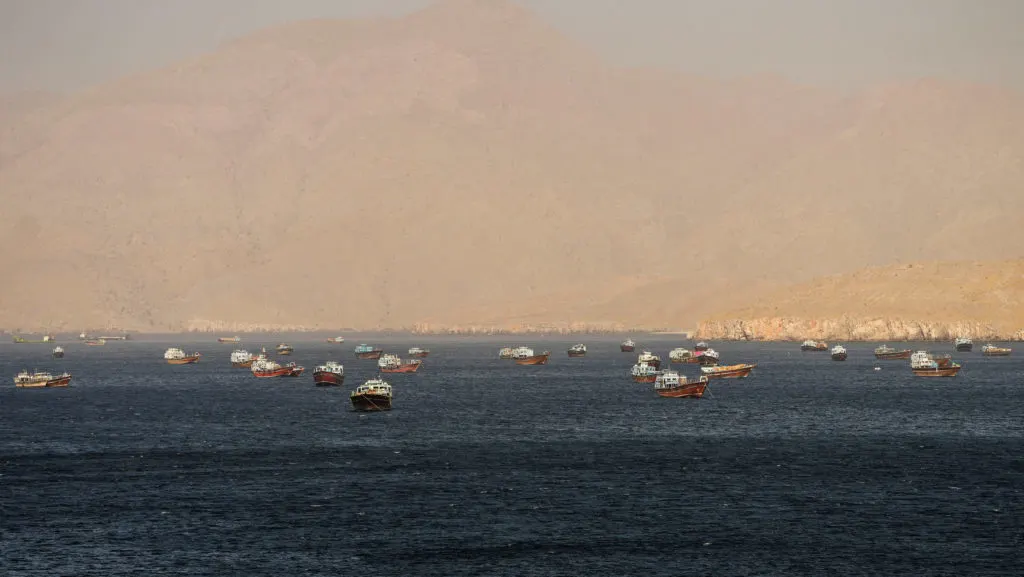
Here is the thing nobody explains clearly enough. The Iran US war is an energy story, and energy stories end up on your doorstep. Roughly a fifth of the world's oil and a big share of its LNG passes through one narrow stretch of water, the Strait of Hormuz. When that route gets disrupted, and it has repeatedly since the Iran US war began in February 2026, prices move fast.
India imports more than eighty five percent of its crude, and around sixty percent of its cooking gas comes through the Gulf, most via the Strait of Hormuz. So when Iran fires on a vessel, or the US strikes Iranian coastal targets again, it is not abstract. It shows up in oil prices India pays at the pump and in your next LPG refill.
What Is Really Happening, Explained Simply
Think of the Iran US war as a fight that keeps almost ending, then does not. In June 2026, both sides signed a memorandum, a truce with conditions attached, opening sixty days of negotiations toward peace. For a while it held. Then it did not.
By early July, Iran's Revolutionary Guard had reportedly fired on ships crossing the Strait of Hormuz through unauthorized routes and declared it closed. The US responded with strikes on dozens of targets, hitting radar sites and coastal facilities. Iran called it a violation of sovereignty. The US called Iran's actions acts of terrorism against shipping. Fighting continued as diplomats kept talking, negotiations and airstrikes side by side.
President Trump flipped positions within a single day in July, first saying the truce was over, then walking it back. That whiplash tells you something: this Iran US war is managed moment to moment, not resolved.
How The Conflict Is Unfolding, Step By Step
- Trigger: US and Israeli strikes killed Iran's Supreme Leader Khamenei on February 28, 2026.
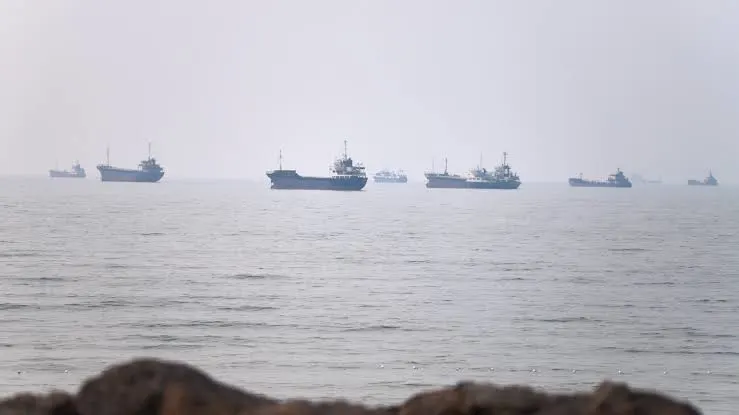
- Escalation: Iran responded with missiles and drones, and shut the Strait of Hormuz.
- Uneasy truce: A memorandum signed in June opened a window for Iran nuclear talks.
- Collapse and renewal: Attacks on ships in early July triggered fresh strikes, undoing the fragile US Iran ceasefire.
- Ongoing talks: Despite strikes, technical Iran nuclear talks continue in parallel.
Each step ripples through oil prices India watches, since disruption at Hormuz pushes Brent crude higher, filtering into fuel and fertiliser costs back home.
Real World Examples You Can Actually Picture
Picture an Indian flagged LPG carrier crossing the Gulf of Oman under Navy escort, part of Operation Sankalp, needed because ships were targeted near the Strait of Hormuz. Or picture a Mumbai restaurant owner waiting days for an LPG refill, exactly what the National Restaurant Association of India flags as fallout from the Iran US war.
Brent crude touched close to seventy nine dollars a barrel after the July strikes, and Indian refiners leaned harder on Russian crude to fill gaps, a direct consequence of unstable oil prices India now plans around.
Common Mistakes People Make While Following This Story
A lot of readers assume a ceasefire means fighting has stopped. It has not, at least not durably. The US Iran ceasefire signed in June was performance based, meaning it depends on both sides holding their end, which has not consistently happened.
Another mistake is assuming oil prices react instantly and permanently. They spike, then sometimes settle, because retail fuel prices in India are cushioned by taxes and margins, not a straight pass through of Brent movements. It takes weeks of sustained pressure to bite, exactly why the Iran US war deserves ongoing attention, not a one time glance.
Pro Tips For Reading This Conflict Correctly
Watch Strait of Hormuz shipping data, not just statements. Vessel transit numbers tell you more about real risk than any press conference. Also track whether Iran nuclear talks continue alongside strikes, since that combination has become the actual pattern of the Iran US war. And watch how US Iran ceasefire language shifts week to week, since small wording changes hint at what comes next.
Closing Thoughts
Wars like this rarely end with a clean signature and a handshake photo. They fade, flare, fade again, and ordinary life keeps adjusting, a cylinder price here, a diverted tanker there. The Iran US war is far from over, and nobody expects a tidy resolution soon. Stay informed, and understand why a distant strait keeps nudging your household budget.
FAQs
Is the Iran US war still ongoing in July 2026?
Yes, strikes resumed in early July after attacks on shipping near the Strait of Hormuz, despite a June memorandum.
How does the Strait of Hormuz crisis affect India?
India imports over eighty five percent of its crude and sixty percent of its LPG through the Gulf, so Hormuz disruptions raise costs and shape oil prices India sees domestically.
Are Iran nuclear talks still happening?
Yes, officials say technical negotiations continue even while strikes occur.
Why does Iran keep closing the Strait of Hormuz?
Yes, officials say technical negotiations continue even while strikes occur.
Why does Iran keep closing the Strait of Hormuz?
To pressure ships into approved routes and respond to US military action.