Israel-Lebanon Ceasefire Renewed: How US Mediation Quietly Changed the Course of a Middle East Standoff
The guns were still firing when the diplomats sat down to talk. That detail matters. It tells you something about how fragile this whole thing is , and how much weight the United States carried into those negotiations.
On June 4, 2026, Israel and Lebanon agreed to renew and implement their Israel-Lebanon ceasefire, following intense US-brokered peace talks that brought both sides to the table despite ongoing skirmishes. The deal, described by multiple international outlets as conditional, hinges on one critical requirement: Hezbollah must stop its attacks.
Why the Israel-Lebanon Ceasefire Agreement Matters Right Now
This is not the first ceasefire between Israel and Lebanon. It will likely not be the last. But the timing of this one is striking.
It comes while the United States is simultaneously navigating sensitive US-Iran nuclear negotiations , talks that have their own fragile architecture. A collapse on the Lebanese front could have torpedoed those broader diplomatic efforts. So Washington had every reason to push hard, and push it did.
Secretary of State Marco Rubio was central to the effort. He acknowledged openly that Hezbollah remains the primary obstacle to lasting peace, a statement that reflects the real difficulty here. Lebanon's government and Israel are, in a sense, both dealing with a third actor , the Iran-backed militant group , that operates on its own terms.
Read More: India Just Fired a Mach 5.5 Missile That Can Blind Enemy Radars From 300 km Away: RudraM-II Explained
What the Agreement Actually Says
The ceasefire deal is conditional and phased. Here is what has been agreed:
Israel and Lebanon will implement a full ceasefire, but only if Hezbollah stops its cross-border attacks. If Hezbollah fires, the deal effectively collapses. There is no ambiguity there.
Beyond the basic ceasefire, the agreement includes the creation of what some reports are calling "pilot zones" , Hezbollah-free security zones in southern Lebanon. These would be areas where the militant group is banned from operating, essentially creating a buffer that Israeli security planners have long demanded.
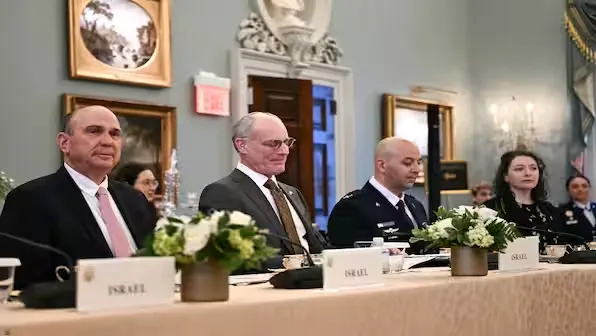
The deal emerged from direct talks held in Washington, marking a notable diplomatic shift. Previously, communication between Israeli and Lebanese military officials was mostly indirect. The Pentagon meetings represented a step toward something more formal.
Read More: From a Beijing Apartment to $92.8 Billion: How Zhang Yiming Just Overtook Mukesh Ambani
The Role of the United States in Middle East Mediation
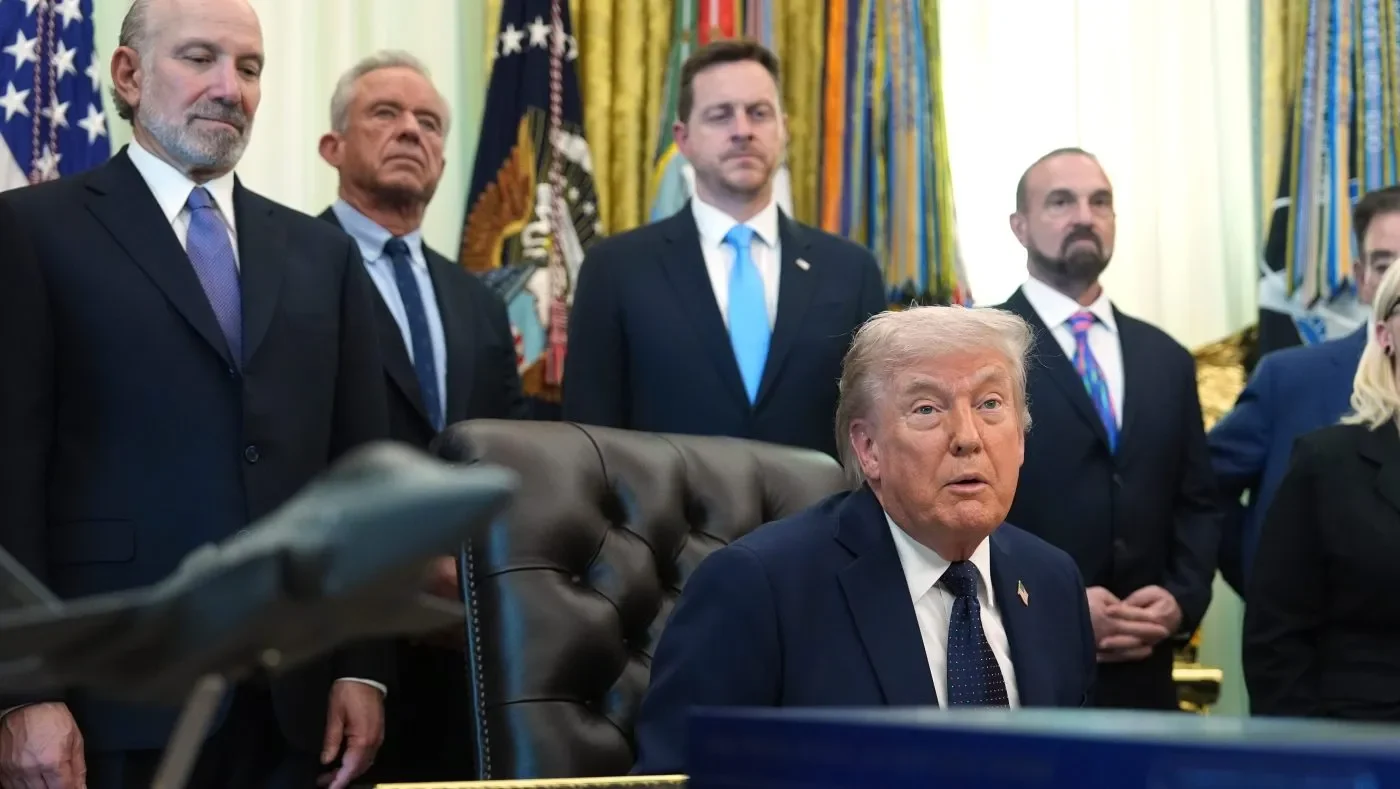
Washington's involvement here was not passive. Trump reportedly made a direct phone call , described in some reports as volcanic in tone , that pressured Israel to halt its Beirut offensive and return to the negotiating table. That kind of intervention, blunt and transactional, is consistent with how the current administration approaches these situations.
The US Middle East diplomacy strategy seems to be: hold everything together long enough for the Iran deal to either work or fall apart. The Lebanon ceasefire buys time. Whether it buys enough is another question.
What Could Still Go Wrong
Hezbollah has not publicly endorsed the terms. That is not a small detail , it is the central one. The group operates independently of the Lebanese state, and its leadership in Tehran may have different calculations entirely.
There are also air raid alerts already sounding in northern Israel, even as officials speak of renewed ceasefires. The Israel-Hezbollah conflict has a long history of truces that existed on paper while violence continued on the ground.
The Lebanon security crisis is not resolved. What has happened is that both governments have agreed, in principle, to the conditions of a halt. Whether those conditions are met , especially by a non-state actor , is an entirely different matter.
Disclaimer: This article is based on information available across the web. Parchar Manch does not take responsibility for its complete accuracy, as the content could not be fully verified.
Read More: Why Venezuela's Acting President Delcy Rodriguez Is Visiting India Right Now, and What It Really Means
FAQs
What triggered the renewed ceasefire talks?
Escalating Israeli military action in Lebanon, including strikes near Beirut, combined with US pressure to avoid derailing broader Iran negotiations, brought both sides back to the table.
What is the role of Hezbollah in this ceasefire?
The ceasefire is conditioned on Hezbollah stopping its attacks. The group is not a party to the official agreement but is the primary actor whose behavior determines whether the deal holds.
What are the Hezbollah-free security zones?
These are proposed buffer areas in southern Lebanon where Hezbollah would be prohibited from operating, designed to address Israeli security concerns at the border.
Is this ceasefire permanent?
No. It is conditional and fragile. Both sides have agreed to implement it, but the deal depends on Hezbollah's compliance and continued diplomatic engagement.
How does this connect to US-Iran talks?
Washington views the Lebanon situation as linked to broader regional stability. A controlled Lebanon front gives the Iran nuclear negotiations room to proceed without another crisis erupting simultaneously.
What did Secretary Rubio say about Hezbollah?
Rubio described Hezbollah as the primary impediment to peace between Israel and Lebanon, signaling that the US views the group, not either government, as the main obstacle.