Japanese Yen 40 Year Low: Why Tokyo Can't Seem To Stop The Slide
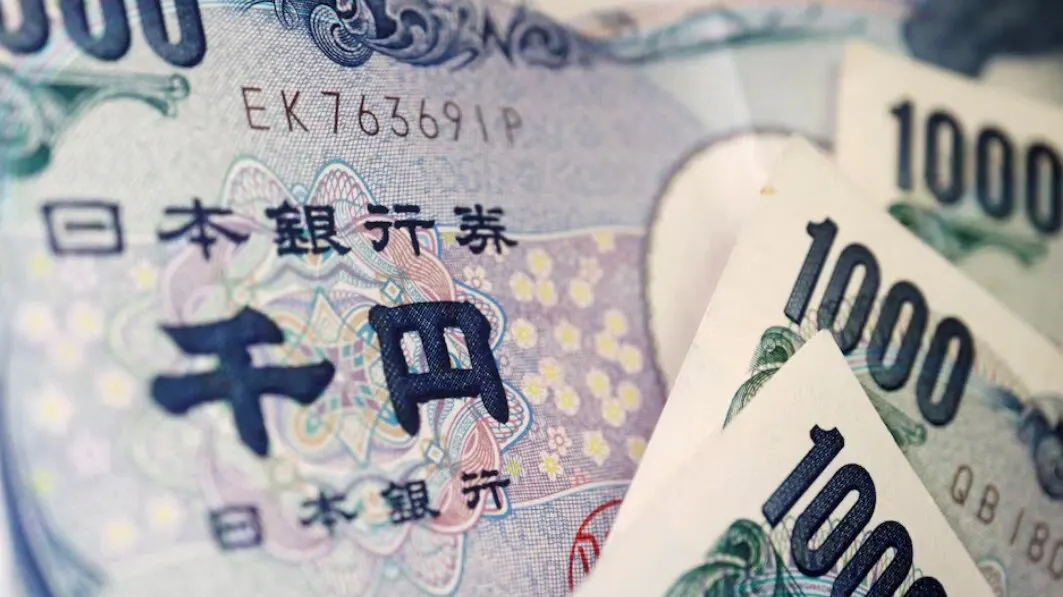
162.27 yen for a single US dollar. Sit with that number for a second, because the last time it looked anything like this was 1986, back when most of today's traders weren't even born yet. The Japanese yen 40 year low isn't just a headline for currency nerds. It's a genuinely strange moment where Japan's central bank has raised rates, its finance minister has threatened action, and none of it has worked so far.
Why This Actually Matters Beyond Currency Trading Screens
If you've ever bought anything made in Japan, or eaten sushi that used imported tuna, or even just noticed gas prices creeping up, this connects to you more than you'd think. A weak yen makes Japanese exports cheaper globally, which is great for Toyota or Sony's profit margins. But it also makes everything Japan imports, especially energy, dramatically more expensive, and that cost eventually lands on regular households through higher electricity and food prices.
What's Actually Driving The Yen's Collapse
The core issue here is something called an interest rate differential. Japan's central bank, the Bank of Japan, raised its benchmark rate to 1 percent in mid June, its highest level since 1995. That sounds significant until you compare it against US rates, which remain far higher. Investors naturally chase higher returns, so they borrow cheaply in yen and invest that money in higher yielding US assets, a strategy known as the carry trade. That constant flow of money out of yen and into dollars keeps pushing the currency down, no matter what Tokyo tries.
How This Actually Works, Explained Like You're Actually Curious
Picture two savings accounts. One pays you 1 percent interest, the other pays significantly more. Most people would move their money to the better paying account, right? That's basically what global investors are doing with yen versus dollars, except at a massive institutional scale. The wider that interest rate gap stays, the stronger the pull away from the yen becomes, regardless of how many times Japan's government talks tough about intervention.
Read More: Akanksha Chamola Confirms Split From Gaurav Khanna: What Really Happened on Lock Up 2
Step By Step, How We Got Here
- The yen first breached 160 per dollar back in late April, prompting Japan to intervene directly in currency markets.
- Between April 28 and May 27, Japan spent a record 11.73 trillion yen, roughly 72.5 billion dollars, buying yen to prop up its value.
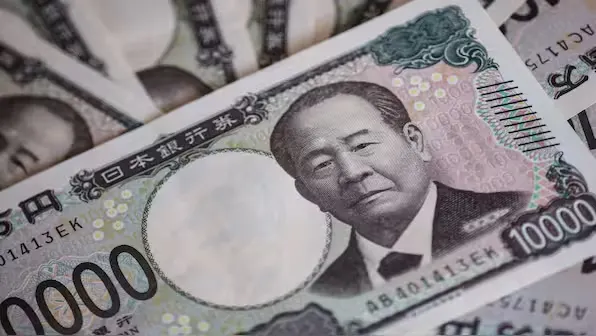
- That intervention worked briefly, pushing the yen back to around 155 to 156 per dollar for a short stretch.
- By late June, the currency resumed its decline, breaking past 160 again on June 29, then sliding further to 162.27 per dollar on June 30, a fresh 40 year low.
- This marked the yen's fourth consecutive quarter of decline, a losing streak it last experienced back in 2022.
Real Numbers Showing The Scale Of This Problem
Speculative bets against the yen have climbed to historical extremes, with CFTC data showing net short positions around negative 146,000 contracts. Japan's 40 year government bond yield rose to 3.779 percent, and the 30 year climbed to 3.914 percent, both reflecting growing unease about the country's fiscal direction under Prime Minister Sanae Takaichi's growth focused, big spending policy agenda.
Read More: Mountain Lions in California Preserve: How One Predator Quietly Rewired an Entire Ecosystem
Mistakes People Keep Making When Reading This Story
Don't assume a weak yen is purely bad news. It isn't, for everyone at least. Japanese exporters and the country's stock market have actually benefited from the weaker currency, since it makes their products more competitively priced overseas. The real pain falls specifically on import dependent sectors, particularly energy, where costlier oil and gas shipments priced in dollars are squeezing consumer budgets.
Pro Tips For Understanding Where This Goes Next
Watch Thursday's US jobs report closely. Traders are pricing in a 63 percent chance of a Federal Reserve rate hike by September, and any surprise weakness in US data could actually do more to support the yen than another round of Japanese intervention ever could.
A Quiet Closing Thought
There's something almost humbling about watching a wealthy, advanced economy throw a record breaking amount of money at a problem and still lose ground to it. Markets, it turns out, don't care much about effort. They care about incentives, and right now, the incentives still point away from Japan.
Read More: NASA's Swift Observatory Rescue Mission: Inside the Daring Plan to Save a Falling Telescope
Disclaimer: This article is based on information available across the web. Parchar Manch does not take responsibility for its complete accuracy, as the content could not be fully verified.
FAQs
How low has the Japanese yen fallen against the dollar?
The yen weakened to 162.27 per dollar on June 30, 2026, its lowest level since 1986.
Why is the yen falling despite Japan raising interest rates?
Even after raising rates to 1 percent, Japan's rates remain far below US rates, keeping the wide interest rate gap that drives investors toward dollar assets.
Has Japan intervened in currency markets before to support the yen?
Yes. Japan spent a record 11.73 trillion yen, about 72.5 billion dollars, intervening between April and May 2026, though the effect proved temporary.
Who benefits from a weaker yen?
Japanese exporters and the country's stock market benefit, since their products become cheaper and more competitive internationally.
What could change the yen's direction going forward?
A softer than expected US jobs report or signs the Federal Reserve won't raise rates further could ease pressure on the yen more effectively than another Japanese intervention.