Jharkhand Students Protest Exam Irregularities: Inside the Ranchi Sit-In That Won't Stop Growing
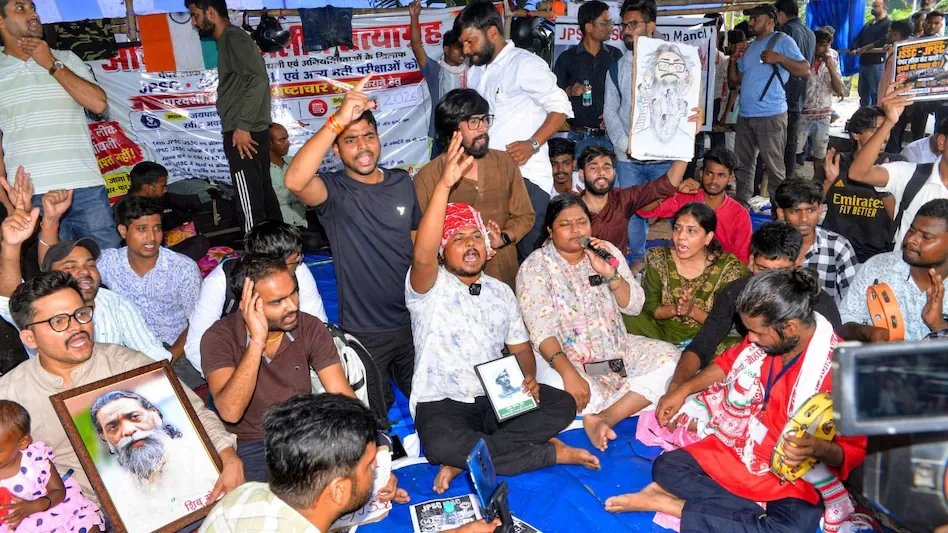
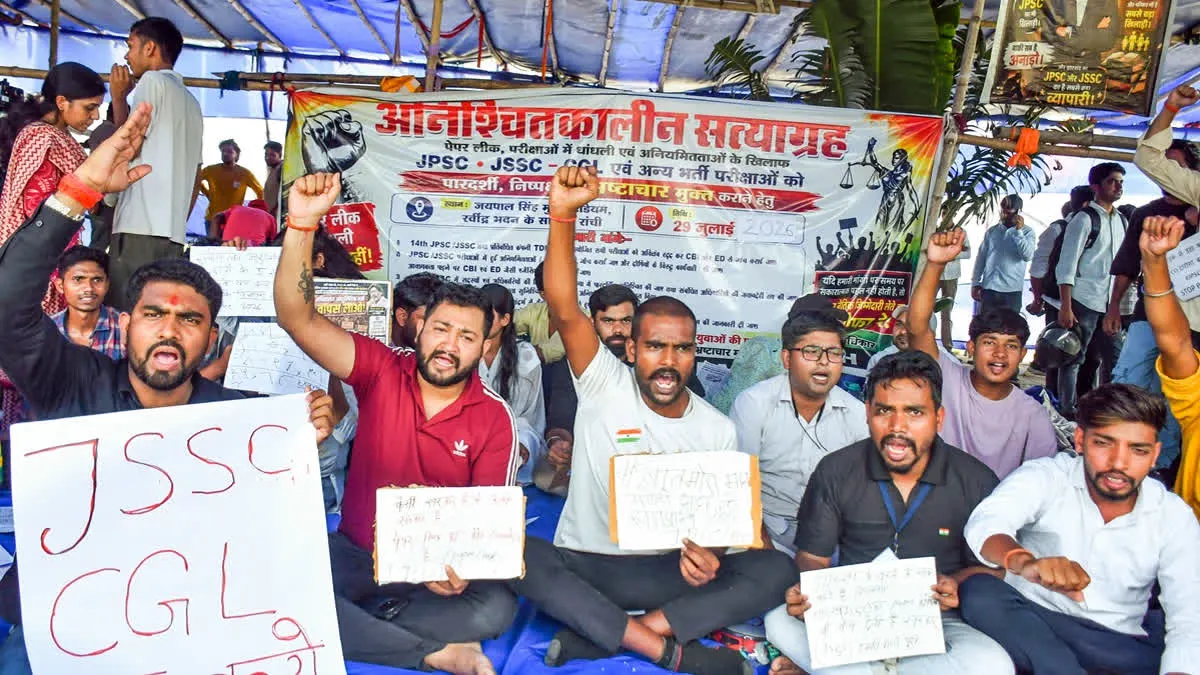
At Jaipal Singh Munda Stadium in Ranchi, there's a tent city that shouldn't exist. Thousands of young job aspirants, the kind of students who spent years preparing for government exams, sleeping there, eating food cooked by local temples, refusing to leave until someone answers a simple question: was the exam that decided their future actually fair. That is the heart of the Jharkhand students protest exam irregularities, and by the second week of August 2026, it had grown from a scattered complaint into one of the state's most sustained student movements in years.
Let's slow down here, because this story has layers, and skipping any of them would do the students an injustice.
Why a Recruitment Exam Turned Into a Statewide Standoff
Here's the thing about government job exams in India, they carry enormous weight. For lakhs of young people in Jharkhand, clearing the Jharkhand Public Service Commission or Jharkhand Staff Selection Commission exam isn't just a line on a resume. It's often the one shot at a stable government job in a state where private-sector opportunities remain thin. So when allegations surfaced that the JPSC and JSSC exam irregularities included leaked papers, tampered evidence, and possible favoritism in the recruitment process, it wasn't a minor administrative hiccup. It felt, to thousands of students, like the one fair shot they'd been promised had been quietly taken away.
That's why this protest matters beyond Jharkhand's borders too. It's a story about trust, about whether public institutions responsible for recruitment can actually be trusted to do the one job they exist for.
What's Actually Being Alleged, Broken Down Simply
Think of a competitive exam like a locked exam hall with hundreds of sealed question papers. The entire system depends on nobody getting a peek before the exam starts. Students protesting in Ranchi allege that seal was broken, that some candidates got early access to material, and that when they tried to report it, the evidence they gathered, in written form, on pen drives, even on CDs, was dismissed or mishandled by the commission.
The protest itself is centered on the Jharkhand students protest exam irregularities movement demanding a fresh, independent probe. Their core demand isn't political. Students have been clear that they aren't asking for anyone's resignation. What they want is the cancellation of the allegedly tainted exams, plus a judicial inquiry led by retired High Court judges from outside Jharkhand, someone with no local ties to either side.
How the Protest Has Unfolded, Day by Day
- The sit-in began at Jaipal Singh Munda Stadium and, as of early August, had crossed its eleventh consecutive day, with no sign of students packing up.
- A CID investigation was already underway, but protesters have publicly called it inadequate, arguing it lacks the independence needed for students to trust the outcome.
- Political voices joined in. BJP MP Nishikant Dubey demanded a CBI probe, alleging corruption and nepotism inside the recruitment commissions.
- The state government responded. Chief Minister Hemant Soren directed the formation of a high-level committee, headed by Higher and Technical Education Minister Sudivya Kumar, tasked with meeting students directly and submitting findings within one to three months.
- Students escalated anyway. A flash march was held, followed by an announced march toward the Jharkhand Assembly, with plans for a full gherao, a siege-style protest, timed to coincide with the Assembly's Monsoon Session.
What This Looks Like on the Ground
Picture students who walked over a hundred kilometers from districts like Hazaribag and Ramgarh just to reach Ranchi, some doing it entirely on foot because they had no other way to be heard. That happened during an earlier wave of this same unrest, and it captures something important: this isn't a protest organized by a political party with resources behind it. Students have repeatedly emphasized that the demonstration runs without political funding, sustained instead by local temples and community organizations quietly providing food and shelter.
That detail alone tells you how deeply this issue has resonated. Ordinary residents, not political operatives, are the ones keeping the protest fed.
Read More: Delhi NEET Protesters Legal Action Dropped: What the Government's U-Turn Actually Means
The Mistake Officials Keep Making, And Why It Backfires
Every time an exam-irregularity protest breaks out in Jharkhand, the same pattern repeats. Officials call a press conference, insist the exam was conducted freely and fairly, and expect that statement to settle things. It never does. Trust, once cracked, doesn't get repaired by a denial. It gets repaired by transparency, independent verification, someone outside the system checking the system's own work.
The same mistake shows up in how evidence gets handled. When students say they submitted proof and were told the storage device was blank, whether that's true or not almost stops mattering. The perception of mishandling becomes its own story, and it's one that spreads fast among students who already feel unheard.
What to Watch For as This Story Develops
If you're trying to follow where this goes next, keep an eye on the Monsoon Session of the Jharkhand Assembly, since students have specifically timed their gherao to land during it, hoping maximum political attention forces a faster response. Also watch whether the high-level committee under Minister Sudivya Kumar actually meets its own deadline, because a report buried for three months without action will almost certainly reignite the protest rather than calm it. And pay attention to whether the CBI probe demanded by opposition leaders actually gets ordered, since a state-level CID investigation and a central CBI investigation carry very different weight in the eyes of protesting students.
A Protest That Refuses to Be Forgotten
There's a particular kind of exhaustion in watching young people fight this hard just to be heard on something as basic as exam fairness. No fireworks, no dramatic headlines most days, just tents, temple food, and eleven days turning into who knows how many more. Whatever the judicial inquiry eventually finds, the Jharkhand students protest exam irregularities movement has already proven something on its own. When institutions stumble, it's often not politicians who hold the line first. It's the students who have the most to lose.
Read More: NEET Paper Leak Case 2026: CBI Probe, Latest Updates and What Students Need to Know
FAQs
What exams are at the center of this protest?
The Jharkhand Public Service Commission and Jharkhand Staff Selection Commission recruitment exams, including the Jharkhand General Graduate Level Combined Competitive Examination.
What exactly are students demanding?
Cancellation of the allegedly compromised exams and an independent judicial inquiry led by retired High Court judges from outside Jharkhand, not the resignation of any specific official.
Has the government responded?
Yes. Chief Minister Hemant Soren formed a high-level committee under Minister Sudivya Kumar to engage with students and submit a report within one to three months.
Is there already an investigation happening?
A CID investigation is underway, but protesting students have called it insufficient and are pushing for a CBI probe instead.
How long has the protest lasted?
As of early August 2026, the sit-in had crossed eleven consecutive days, with students planning further escalation including an Assembly march.
Is the protest linked to any political party?
Students have stated the protest runs without political funding, though opposition leaders like BJP MP Nishikant Dubey have publicly backed their demand for a CBI investigation.