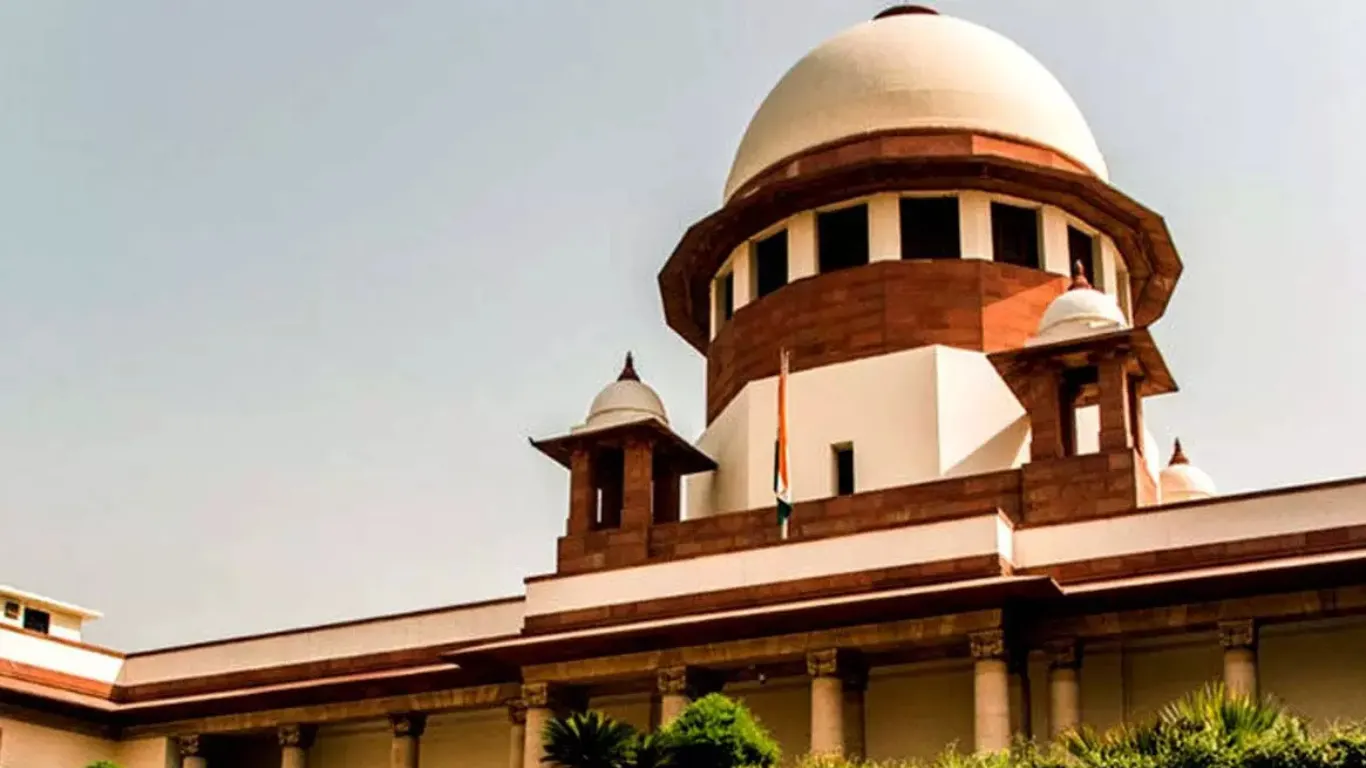
Supreme Court Gets 5 New Judges in a Single Day — What the Historic Appointment Really Means for India's Judiciary
The Supreme Court of India woke up to a significant shift on June 1, 2026. Five new judges were formally appointed to the apex court, bringing its total sitting strength to 37 just one short of its newly expanded sanctioned capacity of 38. This is not routine housekeeping. It is the first major judicial elevation under Chief Justice of India Surya Kant, and it carries quiet signals about where the court is heading.
Why These 5 Supreme Court Judge Appointments Matter Right Now
India's highest court has long struggled with judge vacancies. Cases pile up. Benches run short. Justice gets delayed and as the old saying goes, delayed justice is denied justice. The Supreme Court judge appointments made today are not just about filling chairs. They address a backlog problem that has frustrated litigants, lawyers, and legal reformers for years.
There is also a larger context here. Just weeks ago, the Union government passed the Supreme Court (Number of Judges) Amendment Ordinance, 2026 — formally raising the court's sanctioned strength from 34 to 38 judges. That decision set the stage for today's appointments.
And one appointment, in particular, is historic.
Who Are the 5 Newly Appointed Supreme Court Judges?
The five names cleared by the Law Ministry on June 1, 2026, follow a recommendation made by the Supreme Court Collegium on May 27 a recommendation that came out of meetings held on May 22 and May 27. Here is who they are and why each one matters:
Justice Sheel Nagu was serving as Chief Justice of the Punjab and Haryana High Court before his elevation. His parent High Court is Madhya Pradesh. He enrolled as an advocate in 1987 and built his practice in civil, constitutional, and service matters.
Justice Shree Chandrashekhar, Chief Justice of the Bombay High Court, hails from the Jharkhand High Court. His elevation fills a notable gap — the Supreme Court currently had no representation from Jharkhand.
Justice Sanjeev Sachdeva, Chief Justice of the Madhya Pradesh High Court, brings his roots from the Delhi High Court. Born in 1964, he qualified as an Advocate-on-Record and was designated Senior Advocate by the Delhi High Court in 2011. His appointment adds a second Delhi-linked judge to the Supreme Court bench.
Read More: Tata Sons Board Meeting: The Crisis Inside India's Most Powerful Conglomerate
Justice Arun Palli, Chief Justice of the High Court of Jammu and Kashmir and Ladakh, comes from the Punjab and Haryana High Court. He will serve until September 2029, and his elevation increases Punjab and Haryana's representation at the Supreme Court to three judges.
Senior Advocate V. Mohana is the appointment that stands out the most. She is being elevated directly from the Bar making her only the second woman judge in the Supreme Court's history to be elevated this way. The previous was Justice Indu Malhotra in 2018. This move comes after repeated public discussion around the court's lack of gender diversity.
The Collegium System and How Judges Are Actually Appointed
The Collegium system is how India appoints its top judges and it is a process that many citizens do not fully understand, which leads to confusion about who actually holds this power.
Here is how it works. The Supreme Court Collegium is a body of five senior-most judges, currently led by CJI Surya Kant. This group recommends names for elevation to the Supreme Court. The recommendation then goes to the Union government, which is expected to clear it — ideally without delay. Once the Law Ministry issues the formal notification, the judges take their oath and assume charge.
Think of it like an internal panel that shortlists candidates, and the government is supposed to act as the approving authority. In theory, the government can send names back for reconsideration — but it cannot appoint judges without the Collegium's nod.
This process has been debated for decades. Critics argue it lacks transparency. Supporters say it protects judicial independence from political interference. The debate is ongoing.
A First Under CJI Surya Kant — and Why That Matters
This is the first set of Supreme Court judge recommendations made under CJI Surya Kant, who took charge as the 53rd Chief Justice of India in November 2025. Before him, CJI B.R. Gavai served from May to November 2025.
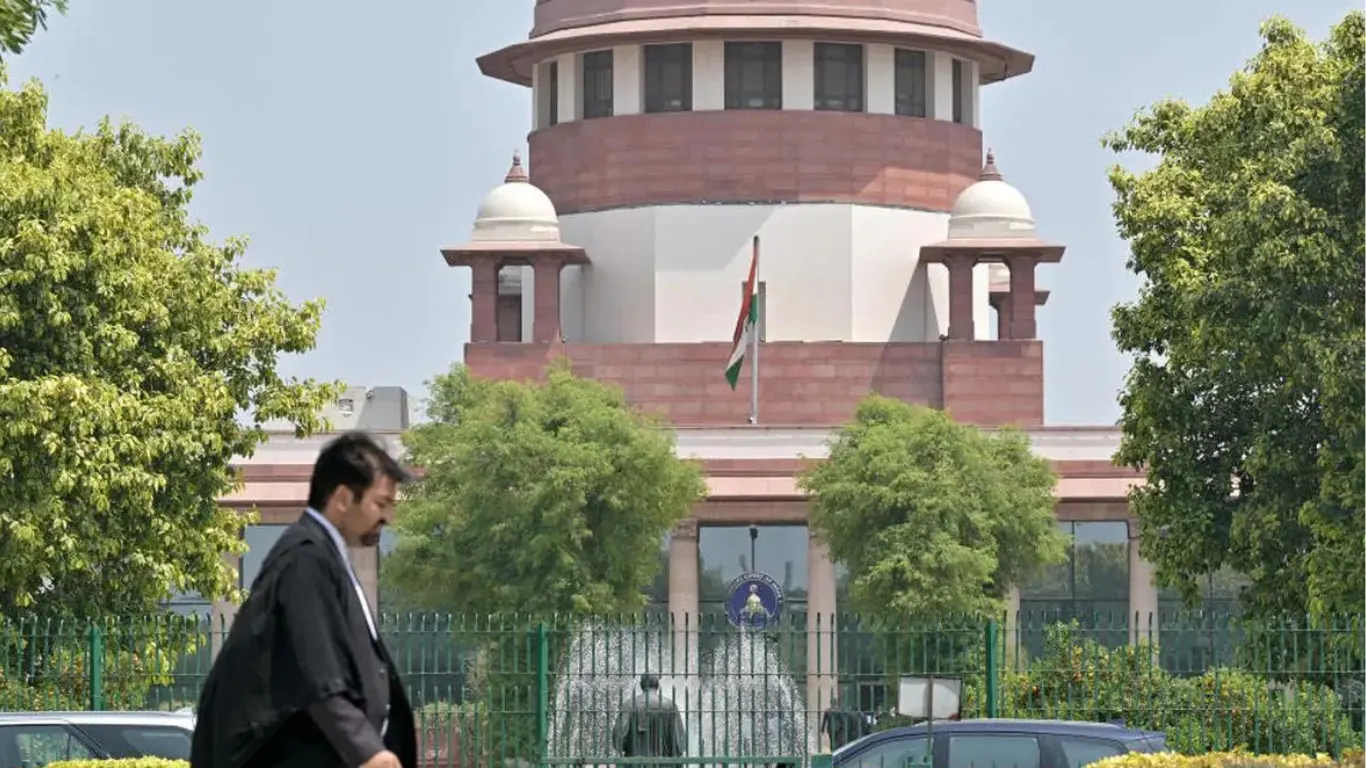
What is notable about this Collegium resolution is what it did not do. None of the five recommended candidates are in line to become a future Chief Justice of India. The Collegium chose not to name any future CJI through this round. This is a departure from earlier practice where some elevation resolutions noted the future leadership trajectory of recommended judges.
Read More: Ram Rahim Gets Parole Again — 16 Times Out of Jail Since 2017, and the Count Keeps Rising
The Diversity Question the Court Is Slowly Answering
There has been sustained criticism over the lack of women judges in the Supreme Court. Justice B.V. Nagarathna has been the court's only woman judge for an extended period. The recommendation of Senior Advocate V. Mohana is seen as a step — a real one, not a symbolic one — toward correcting that.
She will be only the second woman ever elevated directly from the Bar to the Supreme Court. That is a fact worth sitting with.
What People Often Get Wrong About Supreme Court Appointments
The common assumption is that the government appoints Supreme Court judges. That is not quite accurate. The Collegium recommends, and the government clears. If the government delays or returns a name, the Collegium can reiterate the recommendation — and a reiterated name must be accepted.
Another misunderstanding is around seniority. Not all appointments follow a strict seniority ladder. The Collegium considers merit, regional representation, professional background, and sometimes even future leadership considerations when making its choices.
Closing Thoughts
Thirty-seven judges in a court that once had 34 as its ceiling. A woman elevated from the Bar for only the second time in the court's history. A new Chief Justice making his first major mark on the institution's composition. These are not small moments. They are, quietly, the kind of shifts that shape how justice is delivered across a country of 1.4 billion people. Courts move slowly by design. But today, something moved a little faster.
Read More: Sensex Slides as US-Iran Tensions Shake Dalal Street: What Every Indian Investor Must Know Today
Disclaimer: This article is based on information available across the web. Parchar Manch does not take responsibility for its complete accuracy, as the content could not be fully verified.
FAQs
What is the current strength of the Supreme Court of India after these appointments?
After the formal notification of five new judges on June 1, 2026, the Supreme Court's sitting strength has risen to 37 judges. The new sanctioned strength, as expanded by a 2026 ordinance, is 38 judges.
Who is the current Chief Justice of India?
Justice Surya Kant is the 53rd Chief Justice of India. He assumed office on November 24, 2025.
What is the Supreme Court Collegium?
It is a body of the five senior-most judges of the Supreme Court, headed by the Chief Justice of India. It is responsible for recommending judges for appointment and transfer to the Supreme Court and High Courts.
Who is V. Mohana and why is her appointment significant?
V. Mohana is a Senior Advocate who has been elevated directly from the Bar to the Supreme Court. She is only the second woman in the court's history to be elevated this way, making her appointment a landmark moment for gender diversity in India's highest judicial body.
How long will these newly appointed judges serve?
Each judge serves until the age of 65. For example, Justice Sanjeev Sachdeva will serve until December 2029, and Justice Arun Palli until September 2029. Their individual tenures depend on their date of birth.
Can the government reject a Collegium recommendation?
The government can return a name for reconsideration. However, if the Collegium reiterates the recommendation, the government is constitutionally bound to accept it and notify the appointment.