Delhi NEET Protesters Legal Action Dropped: What the Government's U-Turn Actually Means
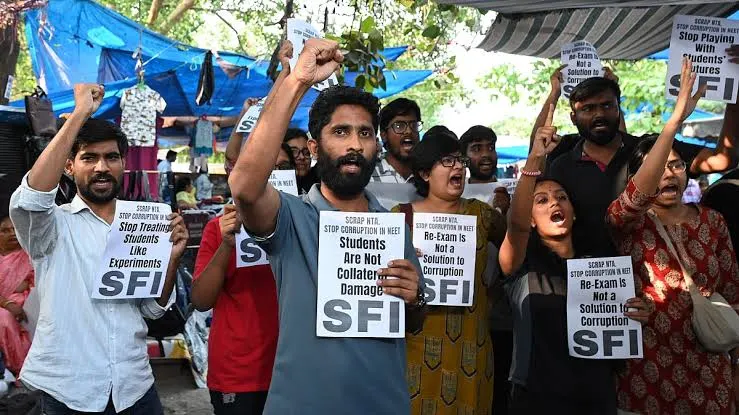
Thirteen FIRs. Weeks of protest. And then, on a Thursday afternoon, a single government order that quietly closed the door on all of it, well, most of it. The Delhi NEET protesters legal action dropped announcement didn't come with fanfare. No press conference, no dramatic statement. Just an official release from the Home Department that changed the legal reality for dozens of young people overnight.
If you've been half-following this story through scattered headlines, let's actually piece it together properly. Because the details matter here, more than usual.
Why This Actually Matters
Here's why this isn't just another political footnote. When a government formally drops legal action against protesters, it's admitting, indirectly, that continuing the cases wasn't serving anyone. Not the students, not the administration, not public order. For families of the arrested, this is the difference between a criminal record shadowing someone's future and a clean slate. For the broader NEET paper leak movement, it signals something too, that sustained pressure, however messy, can force a government to reconsider its own legal machinery. That's the quiet urgency behind this decision. It's not abstract. It's someone's college admission, someone's job application, someone's future court appearances, all resting on this one order.
What Actually Happened, Explained Simply
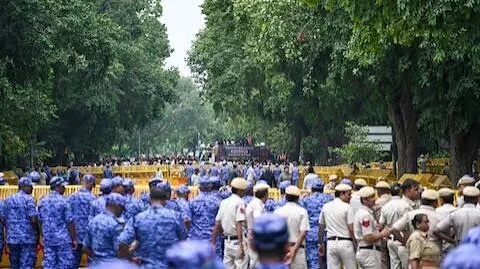
Let's slow down. The protests trace back to the Cockroach Janta Party's agitation at Jantar Mantar over alleged irregularities in the NEET-UG examination, the same paper leak controversy that eventually led Union Education Minister Dharmendra Pradhan to resign. As the protests escalated, Delhi Police registered a total of thirteen cases connected to the demonstrations, and several people were arrested or detained, including thirteen individuals picked up on the evening of July 29 alone.
Then, on July 30, the Delhi government issued an order stating it "does not propose to take any further adverse action against the individuals involved in the protests," adding that the matter would be "treated as closed without any future proceedings." Think of it like a school deciding not to formally suspend students after a chaotic assembly, choosing instead to let the matter drop, provided nobody involved has a history of serious misconduct.
That last part is crucial. This NEET protest legal action withdrawal comes with a condition attached, and it's not a small one.
How the Decision Actually Works, Step by Step
- The Supreme Court's role first: On July 28, the Supreme Court, in a bench headed by Chief Justice of India Surya Kant, restrained states from taking coercive action against protesters and ordered the release of those under 18, provided they had no criminal antecedents.
- Delhi follows suit: Citing that order, the Delhi government's Home Department directed police not to pursue adverse legal action against those involved in the Jantar Mantar protests.
Read More: CJP Founder Abhijeet Dipke: How a Job-Hunting 30-Year-Old Built India's Loudest Youth Movement
- The exception carved out: Protection explicitly does not extend to anyone with criminal antecedents, a condition mandated by the Supreme Court itself, not a discretionary choice by Delhi.
- Arrests get reviewed, not automatically cancelled: For those already detained or arrested, the order states their cases will be reviewed, and release will be processed "expeditiously," but only after that review confirms eligibility.
- The bigger numbers behind the scenes: Delhi Police reportedly flagged that among a larger pool of nearly 2,873 people linked to the protests nationally, 989 had links to serious offences, including murder, rape, robbery, kidnapping, and Arms Act violations, numbers that explain why the exclusion clause exists at all.
- Other states move too: Bihar and Assam had already taken similar decisions earlier, following CJP's announcement that it would end its agitation after Pradhan's resignation.
Real-World Example That Makes This Click
Picture a college disciplinary committee reviewing a mass protest on campus. Most students involved get a clean pass, since they simply showed up and demonstrated. But a handful with a documented history of violent misconduct don't get the same leniency, their cases get separately reviewed. That's essentially the logic behind the Delhi NEET protesters legal action withdrawal, blanket relief for most, continued scrutiny for a specific few.
Mistakes People Keep Making, And Why
A common misread here is assuming "legal action dropped" means every single detained protester walks free immediately. It doesn't work that way. Release still requires a review process, and anyone flagged with criminal antecedents remains outside this relief entirely. Another mistake is treating this as Delhi acting purely out of goodwill. The Supreme Court's July 28 order was the actual trigger, Delhi's move is largely compliance, not independent generosity.
Pro Tips for Understanding Protest-Related Legal News
When you see headlines about legal action being "dropped" or "withdrawn," always check for conditions buried in the fine print, criminal antecedents clauses like this one are common and change the entire scope of relief. Also, track whether a Supreme Court order preceded the state decision, that sequencing usually tells you who's actually driving the outcome.
Closing Thoughts
There's a particular kind of relief that comes without celebration, quiet, conditional, almost bureaucratic in tone. That's what this moment feels like. Thirteen cases closed, dozens of futures unshadowed, but with a clear line drawn around who gets that mercy and who doesn't. Whether this becomes a template for handling future student protests, or just a one-off response to a uniquely charged moment, is something only time will answer.
Read More: Why the CJP's Dharmendra Pradhan Resignation Demand Has Turned Into India's Loudest Student Standoff
FAQs
What exactly did the Delhi government announce about NEET protesters?
That it will not pursue further adverse legal action against those involved in the Jantar Mantar protests over NEET paper leak irregularities, treating the matter as closed.
How many cases were involved?
Delhi Police had registered thirteen FIRs connected to the protests as of July 29, 2026.
Does this mean all detained protesters are released immediately?
Not automatically. Arrests and detentions will be reviewed first, with release processed expeditiously for those who qualify.
Who is excluded from this relief?
Individuals with criminal antecedents are excluded, in line with the Supreme Court's July 28 order.
Have other states taken similar action?
Yes, Bihar and Assam had already dropped similar legal action against NEET protesters before Delhi's announcement.