Kevin Warsh Federal Reserve Task Forces: Inside the Shakeup Reshaping America's Central Bank
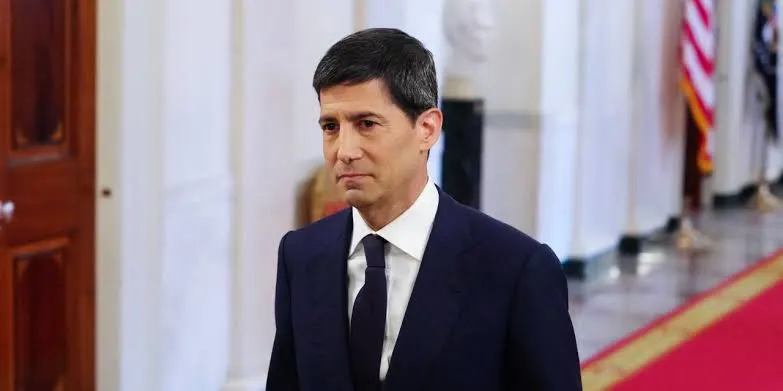
Fifteen names. That's what landed on Thursday, quietly, without much fanfare beyond financial press circles, but if you actually sit with the list, it's a genuinely unusual mix. A former Bank of England governor. A venture capitalist better known for backing tech startups than shaping monetary policy. An Xbox executive. The Kevin Warsh Federal Reserve task forces announcement isn't just personnel news. It's the clearest signal yet of how far the new Fed chair intends to go in rethinking an institution that hasn't seen this kind of outside scrutiny in generations.
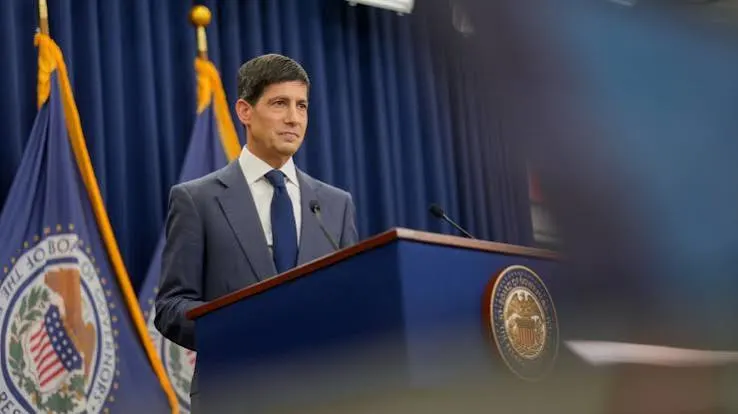
Warsh, who took over as Fed chair in May, had already told people this was coming. Back at his first press conference last month, he floated the idea of forming task forces to examine the Fed's core operations. Now the leadership behind each one is public, and the names involved say a lot about what kind of shakeup he's actually aiming for.
Why This Actually Matters
If you've ever wondered why interest rates move the way they do, or why the Fed's public statements sometimes feel deliberately vague, this Federal Reserve reform effort touches exactly that. These task forces aren't symbolic. They're being asked to examine whether the Fed's fundamental tools, its communication style, how it reads economic data, how it manages a balance sheet exceeding 6.7 trillion dollars, are actually still fit for purpose.
For anyone with a mortgage, a savings account, or just an interest in where borrowing costs are headed, decisions shaped by these panels could eventually filter down into real financial outcomes. Warsh has already made one visible change, a noticeably shorter policy statement following the Fed's June meeting, dropping the kind of forward guidance markets used to lean on heavily.
What These Task Forces Really Are, Explained Simply
Picture a company bringing in five separate outside consulting teams, each assigned to audit a different department, marketing, finance, operations, data systems, strategy, rather than one generic review. That's roughly the structure here. Each task force focuses on a specific slice of the Fed's operations: communications, balance sheet policy, economic data quality, productivity and jobs, and inflation frameworks.
Crucially, according to the Fed's own release, these groups are meant to operate independently, supported by Fed staff but not directed by them, carrying what officials described as a mandate to follow evidence wherever it leads and report unvarnished findings back to the Federal Open Market Committee, the group that actually sets interest rates.
How the Task Force Structure Works, Step by Step
Here's the practical breakdown of who's leading what, and why it matters.
- The Communications task force, led by Peter Fisher of the University of Washington, Arminio Fraga, former president of Brazil's central bank, and Mervyn King, former Bank of England governor, will review how the Fed explains its decisions to the public amid uncertainty.
- The Balance Sheet Policy group, headed by Harvard economists Karen Dynan and Jeremy Stein alongside Raghuram Rajan, former governor of India's central bank, will examine the Fed's massive holdings of financial assets.
Read More: WhatsApp Usernames Are Coming, And Your Phone Number Might Finally Get Some Privacy
- The Data task force, led by Harvard's Raj Chetty, University of Chicago's Kevin Murphy, and former Walmart CEO Doug McMillon, focuses on improving the timeliness and quality of the economic signals the Fed relies on.
- The Productivity and Jobs group, led by venture capitalist Marc Andreessen, Stanford economist Charles Jones, and Microsoft Xbox CEO Asha Sharma, will specifically assess how new technologies, including artificial intelligence, might reshape the broader economy.
- The Inflation Frameworks task force, led by Harvard's Greg Mankiw, Nobel laureate Thomas Sargent, and economist William White, will revisit how the Fed actually understands what drives inflation in the first place.
Warsh has said he expects these groups to wrap up their work by the end of the year, a fairly tight timeline given the scope involved.
Real-World Examples That Ground This
Consider why the Productivity and Jobs panel is getting particular attention. Warsh has publicly suggested that productivity gains from artificial intelligence could meaningfully affect how the Fed thinks about interest rates, potentially easing inflation pressure over time even as AI-driven demand adds new complexity elsewhere in the economy. That's not an abstract academic debate, it's directly tied to how borrowing costs might evolve over the coming years.
Or look at the Communications task force specifically. Warsh has already begun trimming the Fed's post-meeting statements, shifting emphasis toward what's called the "reaction function," essentially explaining the conditions under which policy will change rather than offering direct forward guidance on where rates are headed. That's a real, tangible shift already visible before the task forces have even finished their work.
Read More: NASA's Swift Observatory Rescue Mission: Inside the Daring Plan to Save a Falling Telescope
Mistakes People Keep Making When Reading This News
A common mistake is assuming these task forces will immediately change interest rate decisions. They won't, at least not directly. Their role is advisory, feeding recommendations to the Federal Open Market Committee, which retains the actual authority over monetary policy. Real change, if it comes, will likely unfold gradually rather than through a single dramatic announcement.
Another mistake is reading the makeup of these panels as uniformly ideological. The list actually spans a fairly wide range of perspectives, from former central bankers with decades of institutional experience to tech industry figures with comparatively little traditional monetary policy background, a deliberate mix rather than a single school of thought.
Read More: Anti-Ageing Skincare Routine 2026: How to Reduce Wrinkles and Fine Lines Naturally
Pro Tips That Actually Help
If you want to actually track where Fed policy might be heading, watch the Data and Inflation Frameworks task forces most closely, since changes to how the Fed measures inflation or reads economic signals tend to have longer lasting structural effects than communication style tweaks alone.
It's also worth remembering the current federal funds rate sits between 3.5 and 3.75 percent, with the next Federal Open Market Committee meeting scheduled for late July. Any early signals from these task forces are likely to surface gradually around meetings like that one, rather than through standalone announcements.
Closing Thoughts
There's a quiet confidence running through how deliberately Warsh assembled this list, reaching well beyond the Fed's usual insular circle for people who've run companies, led other countries' central banks, and studied economic questions from angles the institution hasn't always welcomed. Whether that outside perspective actually reshapes how the Federal Reserve operates, or simply produces a thoughtful report destined for a shelf, is the real question now, one that will likely take the rest of this year to start answering.
Read More: Iran-Israel War LIVE: Middle East Tensions & Global Stability
Disclaimer: This article is based on information available across the web. Parchar Manch does not take responsibility for its complete accuracy, as the content could not be fully verified.
FAQs
What are Kevin Warsh's Federal Reserve task forces?
They are five independent panels created by Fed Chair Kevin Warsh to review the central bank's communications, balance sheet policy, economic data practices, productivity and jobs outlook, and inflation frameworks.
Who are the notable members of these task forces?
Members include Marc Andreessen, former Walmart CEO Doug McMillon, former Bank of England Governor Mervyn King, and several prominent Harvard and Stanford economists.
When will the task forces complete their work?
Warsh has indicated he expects the groups to conclude their findings by the end of 2026.
Do these task forces set interest rates directly?
No, they operate independently in an advisory capacity, reporting their findings to the Federal Open Market Committee, which retains authority over actual policy decisions.
Why is the Productivity and Jobs task force getting extra attention?
Because it will assess how artificial intelligence and other new technologies could affect productivity and, in turn, influence how the Fed approaches interest rate decisions.
What changes has Warsh already made at the Fed?
He has shortened the Fed's post-meeting policy statements and shifted communication focus toward explaining the conditions under which policy might change, rather than offering direct forward guidance.