
Mercedes-Benz India E20 Fuel Advisory: What Every Owner Actually Needs to Know Right Now
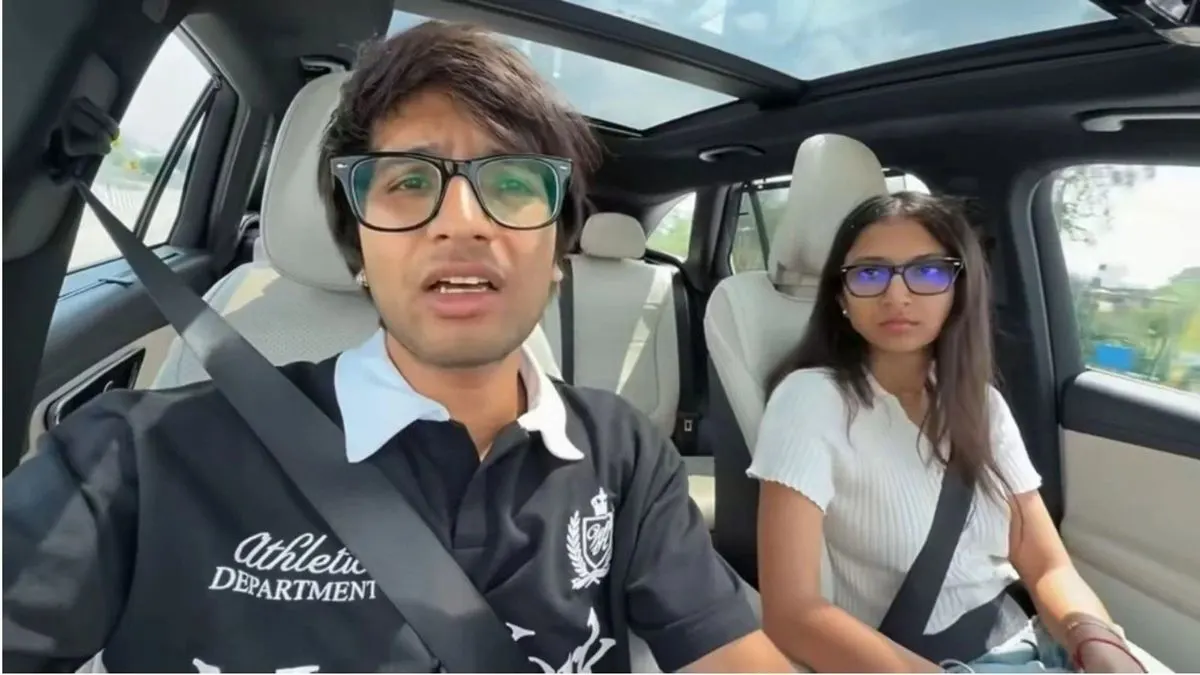
A YouTuber's mileage dropped from 16-17 km per litre to just 5. That single viral clip is basically what set off this entire conversation. The Mercedes-Benz India E20 fuel advisory that followed wasn't really planned as breaking news, it was damage control, quiet, necessary damage control, after content creator Sourav Joshi's video sparked a wave of anxiety among luxury car owners across the country. He later deleted that segment. But the questions it raised didn't disappear with it.
So here's where things actually stand. Mercedes-Benz India has confirmed that all its BS VI petrol vehicles are fully compatible with E20 fuel, and more specifically, that models sold since 2020 are E20 compliant, with 2023-24 models built to meet the very latest ethanol blend standards. No, this isn't a new problem the company just discovered, it's a clarification of something that was already technically true.
Why This E20 Fuel Compatibility Issue Actually Matters to You
If you drive a petrol car in India, or you're planning to buy one soon, this affects you whether or not you own a Mercedes. The Indian government has been aggressively pushing E20 petrol, a blend containing up to 20 percent ethanol, as part of a broader strategy to cut crude oil imports, reduce emissions, and boost domestic ethanol demand. That rollout has already reached most fuel pumps nationwide. So the real question isn't whether E20 exists, it already does, the question is whether your specific car, especially if it's a few years old, can actually handle it without quietly wearing down its fuel system.
Read More: SBI Funds Management IPO: Why India's Biggest Asset Manager Going Public on July 14 Actually Matters
What E20 Fuel Compatibility Really Means, Explained Simply
Think of your car's fuel system like a pair of shoes broken in for a specific terrain. E20-compliant vehicles have been engineered, seals, fuel lines, injectors, and all, to handle the higher ethanol content without corroding or losing efficiency. Older vehicles, built before this compliance became standard, weren't designed with that same tolerance, and pumping E20 into them repeatedly can, over time, aggravate existing wear, especially any corrosion already sitting quietly in older fuel tanks.
Here's the twist though, and it's an important one. Mercedes-Benz India's managing director and CEO, Santosh Iyer, has pointed out that a lot of what customers are blaming on E20 fuel is actually something else entirely, fuel adulteration at the pump level, where actual ethanol content quietly exceeds the mandated 20 percent.
Read More: Lawrence Bishnoi Gang Indictment: How a Jailed Gangster Ran a Global Crime Empire From His Cell
How to Check and Handle E20 Fuel Compatibility, Step by Step
- Check your vehicle's manufacturing year and model, since Mercedes-Benz cars sold from 2020 onward are generally E20 compliant, with 2023-24 models meeting the newest standards.
- If you own an older model, don't assume compatibility, get it verified through an authorized Mercedes-Benz service center rather than guessing based on online forums.
- Watch for sudden, dramatic mileage drops or warning lights, these are red flags worth investigating rather than ignoring.
- If problems appear, consider fuel adulteration as a real possibility, not just the ethanol blend itself, since inconsistent fuel quality across retail outlets has been flagged as a genuine concern.
- Get a diagnostic check on your fuel system at an authorized center if you notice persistent performance issues.
- Stay updated on regulatory movement, since India is already testing E25 petrol through a 150,000 kilometre ARAI trial, meaning fuel standards may shift again soon.
That last step matters more than people realize, this isn't a one time adjustment, it's an ongoing transition.
Read More: Modi Albanese Meeting: Why This Melbourne Handshake Could Reshape India's Energy Future
Real World Example: The S-Class and the E25 Question
Mercedes-Benz has already shown what's technically possible here. Its plug-in hybrid S-Class, specifically the S 450e, is compatible with even higher blends like E25. That model pairs a 3.0 litre six cylinder petrol engine with a 120kW electric motor and a 22kWh battery, giving it a claimed electric-only range of up to 115 km. It's a preview of where things might head, but Iyer has been clear that pushing ethanol content higher across the board is not part of Mercedes-Benz's current global roadmap, and that any further blend increase would require actual recalibration, not a simple retrofit.
Mistakes People Keep Making With E20 Fuel
The biggest one, honestly, is assuming every mileage drop or engine hiccup is automatically the ethanol blend's fault. It's an easy leap to make, especially after a viral video amplifies the fear. But conflating genuine E20 fuel compatibility issues with fuel adulteration problems means owners often chase the wrong fix, blaming the fuel type instead of demanding better enforcement at the pump. Another common mistake, assuming an older car simply can't run on E20 at all, when in many cases the real issue is inconsistent fuel quality rather than blend incompatibility itself.
Read More: Ramayana Trailer Launch: Why Nitesh Tiwari Is Turning a Movie Preview Into a National Event
Pro Tips That Actually Help E20 Fuel Owners
Ask your dealership directly for the FAQ sheet Mercedes-Benz has already distributed across its network, it exists specifically to cut through this confusion. If you're buying a new car soon, factor E20, and eventual E25, compatibility into your decision, not as an afterthought but as a genuine spec to check. And if you suspect adulteration rather than a compatibility issue, that's worth reporting, since Mercedes-Benz itself has called for stricter random inspections at fuel stations nationwide.
Closing Thoughts
There's a quiet irony in how this all started, one YouTuber's video, later deleted, ended up forcing a global luxury automaker into a public clarification. Maybe that's just how information moves now, messy, viral, occasionally overcorrected. But underneath the noise sits a real, ongoing shift in what goes into Indian fuel tanks, and that shift isn't finished. E20 is just the current chapter.
Read More: China Submarine-Launched Ballistic Missile Test: Why One Launch Rattled the Pacific
Disclaimer: This article is based on information available across the web. Parchar Manch does not take responsibility for its complete accuracy, as the content could not be fully verified.
FAQs
Are all Mercedes-Benz cars in India compatible with E20 fuel?
Vehicles sold from 2020 onward are generally E20 compliant, with models from 2023-24 meeting the latest ethanol blend standards.
What should I do if my Mercedes shows reduced mileage after using E20 fuel?
Get a diagnostic check at an authorized service center, since fuel adulteration rather than the ethanol blend itself may be the actual cause.
Is E20 fuel safe for older cars in general?
Compatibility varies by model and manufacturing year, and older cars not built for E20 may face increased wear, so verification is recommended before regular use.
What is fuel adulteration, and how is it different from E20 incompatibility?
Fuel adulteration happens when the actual ethanol content at a pump exceeds the mandated level, causing performance issues that get mistakenly blamed on E20 compatibility itself.
Is India planning to move beyond E20 fuel?
Yes, the government is already testing E25 petrol through an ARAI trial, and manufacturers like Mercedes-Benz have urged a gradual, well planned rollout.
Has Mercedes-Benz taken any legal action over the viral mileage claims?
No, despite social media speculation, there is no indication Mercedes-Benz has initiated or plans any legal action related to the viral video.