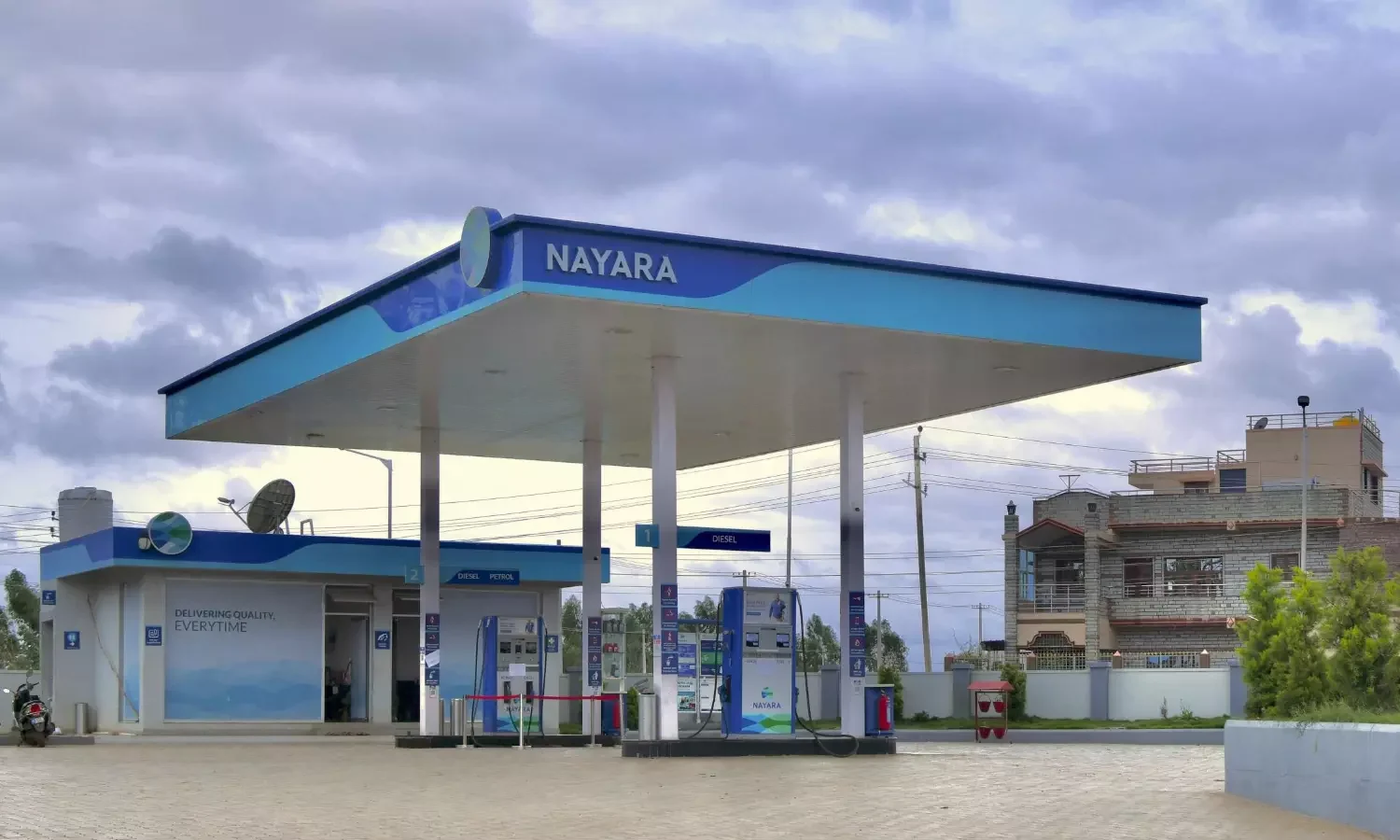
Nayara Energy Petrol Price Cut: Why Fuel Just Got Cheaper For The First Time In Two Years
Petrol dropping in price. Actually dropping, not just holding steady while everyone waits nervously. That hasn't happened in India in more than two years, and yet here we are. The Nayara Energy petrol price cut landed on July 1, and it's worth understanding exactly why, because the reasons behind it say a lot about how connected your fuel bill really is to events happening thousands of kilometers away.
Why This Actually Matters To Your Wallet
If you drive a two wheeler, a car, or run a business that depends on transport, fuel prices aren't abstract numbers on a screen. They're grocery delivery costs, cab fares, and how far your monthly budget stretches. A cut like this, even a modest one, is the first real signal in a long while that the pressure on your fuel expenses might finally be easing, even slightly.
What Actually Happened On July 1
Nayara Energy, India's largest private fuel retailer, cut petrol prices by 5 rupees per litre and diesel by 3 rupees per litre across its entire nationwide network of over 7,000 fuel stations. This is the first fuel price reduction by any company in more than two years. State run companies, Indian Oil, Bharat Petroleum, and Hindustan Petroleum, which together account for over 90 percent of India's fuel stations, kept their prices unchanged for now.
In Faridabad, part of the Delhi NCR region, Nayara's petrol price dropped from 108.03 rupees per litre to 103.03 rupees, while diesel fell from 98.84 rupees to 95.84 rupees. Meanwhile, at Indian Oil outlets in Delhi, petrol continues at 102.12 rupees and diesel at 95.20 rupees, unchanged.
Read More: Mountain Lions in California Preserve: How One Predator Quietly Rewired an Entire Ecosystem
Why Crude Oil Prices Actually Drive Your Pump Rate
Here's the simple version. Think of crude oil like flour for a bakery. When flour prices spike, bread gets more expensive everywhere, no matter how efficient your local bakery is. Petrol and diesel work the same way. India imports most of its crude oil, so when international prices rise or fall, retail fuel prices eventually follow, sometimes with a delay, sometimes quickly, depending on the company.
How We Actually Got Here, Step By Step
- Tensions between the US, Israel, and Iran escalated earlier this year, pushing international crude prices above 125 dollars per barrel at their peak.
- Nayara was among the first to react, raising petrol by 5 rupees and diesel by 3 rupees back on March 26, right as the conflict intensified.
- State run companies followed later, raising prices by a cumulative 7.50 rupees per litre each through a series of revisions during the second half of May.
- As hostilities eased and the Strait of Hormuz reopened for regular shipping, crude oil prices retreated, settling around 70 dollars per barrel, down sharply from the crisis peak.
- Nayara's July 1 cut essentially reverses its own March increase, becoming the first company to pass that relief on to consumers.
Read More: WhatsApp Usernames Are Coming, And Your Phone Number Might Finally Get Some Privacy
Real Numbers That Show The Bigger Picture
Brent crude was trading just above 73 dollars per barrel around this time, while US West Texas Intermediate hovered near 70 dollars. Compare that to the 125 dollar peak during the height of the West Asia crisis, and the scale of the retreat becomes clear. This fuel cut arrived alongside other related changes too, including a cut in commercial LPG cylinder prices and a revised windfall tax structure, with the export duty on petrol actually increasing while diesel and aviation turbine fuel export duties were reduced.
Mistakes People Keep Making When Reading This News
Don't assume this cut applies everywhere. It doesn't, at least not yet. State owned companies, which run the vast majority of India's fuel stations, haven't matched Nayara's reduction. If you fill up at an IOC, BPCL, or HPCL station, you're likely still paying the same price as before.
Read More: NASA's Swift Observatory Rescue Mission: Inside the Daring Plan to Save a Falling Telescope
Pro Tips For Tracking Fuel Prices Going Forward
Keep watching whether public sector companies eventually follow Nayara's lead. Market experts believe state run retailers may hold prices steady for a while to recover losses from earlier price freezes, so don't expect an immediate matching cut everywhere.
A Quiet Closing Thought
There's something quietly reassuring about a price finally moving in your favor after two years of only climbing. It's a small thing, five rupees a litre, but it's proof that global tensions easing somewhere far away can eventually, gently, reach your neighborhood pump.
Read More: Anti-Ageing Skincare Routine 2026: How to Reduce Wrinkles and Fine Lines Naturally
Disclaimer: This article is based on information available across the web. Parchar Manch does not take responsibility for its complete accuracy, as the content could not be fully verified.
FAQs
How much did Nayara Energy cut petrol and diesel prices by?
Petrol was cut by 5 rupees per litre and diesel by 3 rupees per litre, effective July 1 across all Nayara stations nationwide.
Did government owned fuel companies also cut prices?
No. Indian Oil, Bharat Petroleum, and Hindustan Petroleum kept their prices unchanged as of July 1.
Why were fuel prices high in the first place?
Tensions between the US, Israel, and Iran pushed international crude oil prices above 125 dollars per barrel earlier this year, prompting price hikes across Indian retailers.
Will other fuel companies reduce prices too?
It's uncertain. State run companies may wait before cutting prices, partly to recover losses from earlier periods when they held rates steady despite rising costs.
What caused crude oil prices to ease recently?
Reduced hostilities in West Asia and the reopening of the Strait of Hormuz restored normal oil and gas shipping flows, easing global supply concerns.