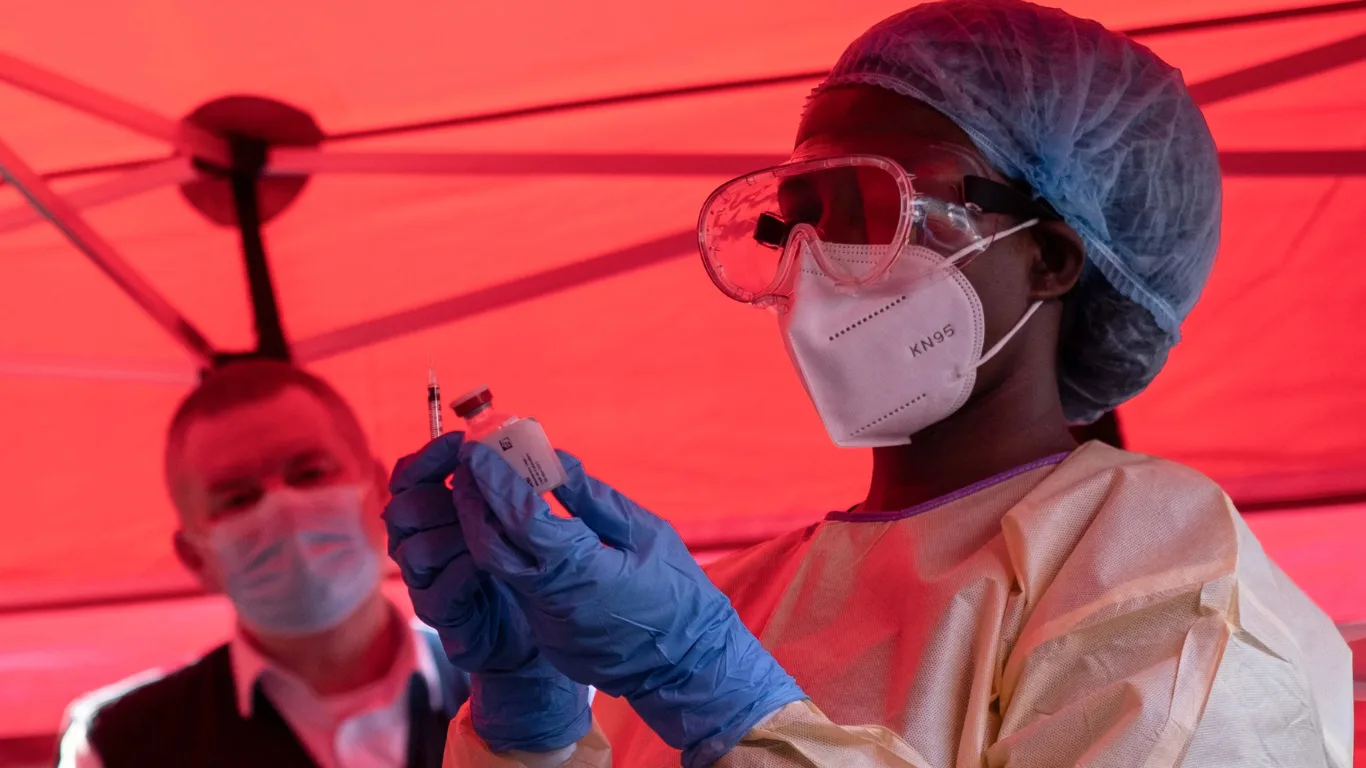
No Approved Vaccine Exists for This Ebola Strain. Here Is What Scientists Are Racing to Change
There is a particular kind of urgency that settles in when a disease outbreak grows faster than the medical response can follow it. That is where the world stands right now with the Bundibugyo Ebola virus outbreak, a rare and deadly strain of Ebola spreading through the Democratic Republic of Congo and Uganda, for which no licensed vaccine currently exists.
Quiet urgency may be the most accurate way to describe it. Scientists are not panicking. But they are moving fast.
Why This Ebola Outbreak Is Different from What Most People Know
Most people, when they think of Ebola, picture the 2014 West Africa crisis. That outbreak involved the Zaire strain, and the approved vaccine Ervebo was developed to fight it. That vaccine does not work against Bundibugyo ebolavirus, the strain now circulating in Central Africa.
Bundibugyo is the rarest of the orthoebolaviruses, and one for which no vaccine has ever been licensed. The Bundibugyo strain carries a case fatality rate of 30 to 50 percent. That figure demands attention. Roughly one in three people infected do not survive.
As of late May 2026, Ebola Bundibugyo has killed 177 people across the DRC and Uganda, with five confirmed cases in Kampala, and ten African nations have been flagged at risk. The WHO has officially declared this a Public Health Emergency of International Concern.
The Oxford Vaccine: Built on Technology the World Already Knows
Here is the part that matters to most readers. Something is actually being done, and it involves a platform that proved itself during COVID-19.
Experts at the Oxford Vaccine Group are racing to develop a new Ebola vaccine called ChAdOx1 BDBV, a monovalent candidate designed specifically against Bundibugyo, that could enter clinical trials within two to three months. The vaccine uses the same technology developed by UK scientists during the COVID-19 pandemic, specifically the chimpanzee adenovirus delivery system that underpinned the Oxford-AstraZeneca COVID-19 vaccine.
That platform is not new. It has been validated. It was credited with saving millions of lives when deployed rapidly during the pandemic. The question now is whether it can be produced, scaled, and tested fast enough to matter during a live outbreak.
Where India's Serum Institute Comes In
Serum Institute of India, one of the world's largest vaccine manufacturers, confirmed it is working with the University of Oxford and the Coalition for Epidemic Preparedness Innovations on this candidate. Thanks to a master sample from Oxford, the company said it would be able to begin producing doses within 20 to 30 days.
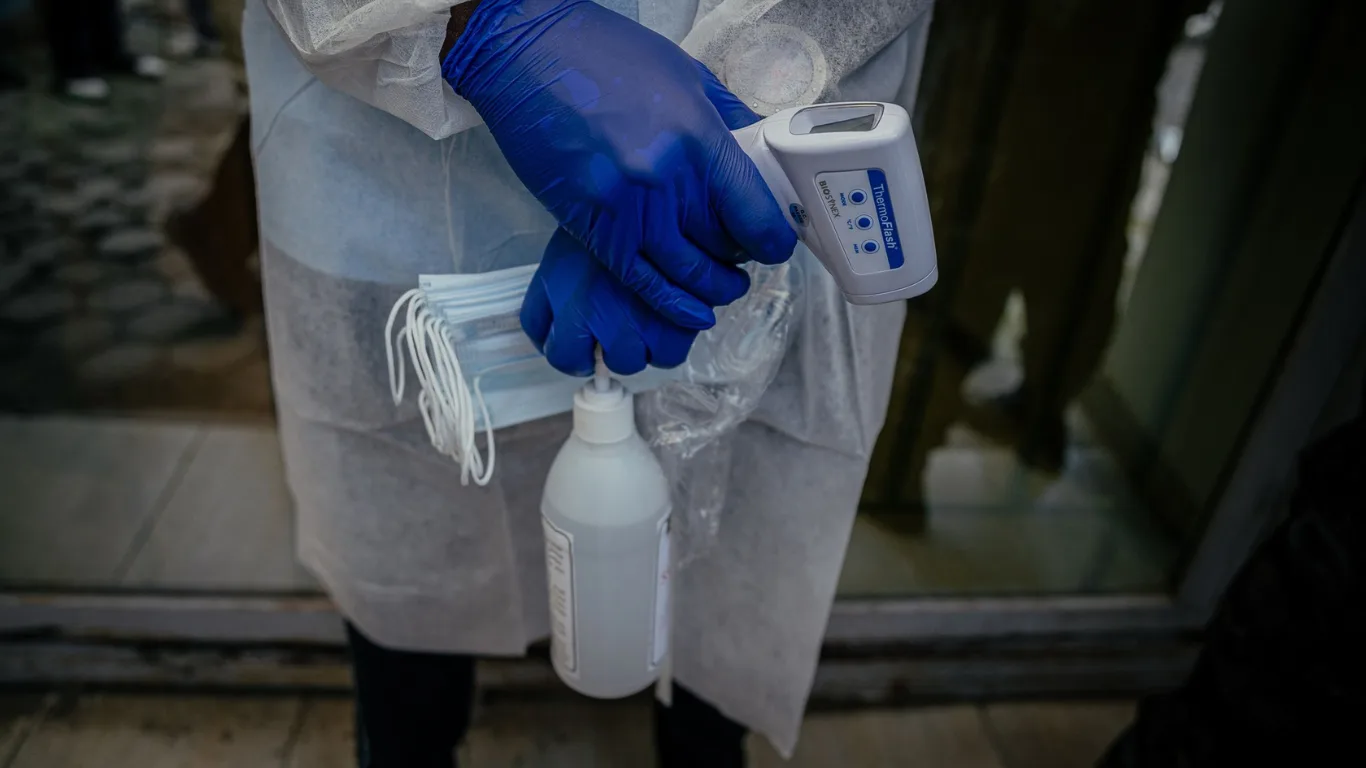
That is a remarkably short production window. It reflects both the urgency of the situation and the preparedness advantage that having a pre-existing platform provides. The science does not need to be built from scratch. The delivery mechanism is already understood.
Read More: Long,Term Residential Property Investment Strategy 2026
Russia's Separate Claim
Russia's health ministry announced that Russian scientists have developed a vaccine candidate against the new Ebola strain. Details remain limited, and independent verification has not yet been confirmed. This is not unusual in outbreak responses, where multiple parallel tracks often run simultaneously, though not all of them reach the clinical trial stage.
The Other Candidate in Development
A separate and potentially more promising candidate is the rVSV Bundibugyo vaccine, built on the same vesicular stomatitis virus platform as the approved Zaire Ebola vaccine Ervebo. WHO senior advisor Vasee Moorthy described this as the most promising option for the Bundibugyo strain, though doses for clinical trials will likely take as long as nine months to become available. The International AIDS Vaccine Initiative is working to raise funds for this investigational candidate.
Nine months is a long time during an active outbreak. That gap is precisely why the Oxford candidate, which could reach trials within two to three months, is drawing so much attention despite having no animal efficacy data yet.
Read More: Marco Rubio India Visit: Why This Four-Day Trip Could Reshape the US-India Relationship
What India's Health Ministry Said
India's Ministry of Health confirmed that no case of Bundibugyo Ebola disease has been reported in India as of late May 2026. The Union Health Minister reviewed preparedness measures following the WHO declaration. Surveillance protocols are being strengthened at entry points.
Closing Thoughts
Professor Teresa Lambe of the Oxford Vaccine Group summed it up quietly: "My hope is that this outbreak can be brought under control quickly and that vaccines are ultimately not needed. Nevertheless, our team and partners will continue working to ensure that potential vaccine options are available if they are needed."
That sentence carries a lot of weight. It reflects the honest reality of outbreak science. You prepare for what you hope does not come. And if it does come, preparation is the only thing that stands between a contained crisis and a catastrophic one.
Disclaimer: This article is based on information available across the web. Parchar Manch does not take responsibility for its complete accuracy, as the content could not be fully verified.
FAQs
Is there an approved vaccine for Bundibugyo Ebola?
No. As of May 2026, no licensed vaccine exists specifically for the Bundibugyo strain. The approved Ervebo vaccine targets the Zaire strain and does not protect against Bundibugyo.
When could the Oxford Ebola vaccine be ready for trials?
The Oxford Vaccine Group estimates the ChAdOx1 BDBV candidate could enter clinical trials within two to three months. This timeline is dependent on dose production and regulatory processes.
Which countries are affected by this Ebola outbreak?
The outbreak is centered in the DRC, with confirmed cases in Uganda including the capital Kampala, and ten African nations have been identified as at-risk.
Is India at risk?
India's health ministry has confirmed no cases as of May 2026, and surveillance measures have been strengthened at international entry points.
What makes the Bundibugyo strain particularly dangerous?
Its case fatality rate ranges from 30 to 50 percent, and until now, no licensed vaccine or specific approved treatment exists for it.