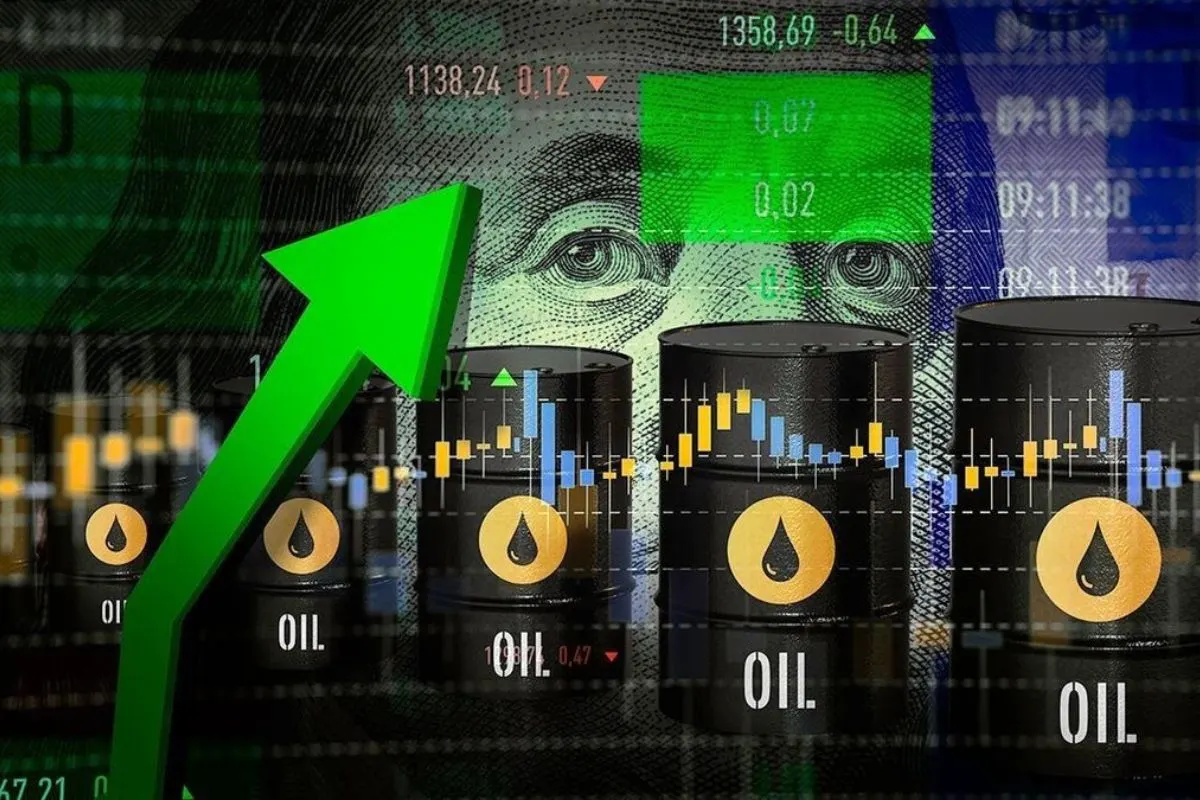
Oil Prices Rise: How US Navy Blockade of Iran Impacts Supply
It’s strange how something happening thousands of kilometres away quiet naval movements, policy decisions whispered in conference rooms suddenly shows up in something as ordinary as fuel prices.
Petrol pumps, shipping costs, electricity bills everything begins to feel heavier. And now, with the US Navy moving toward a potential blockade of Iranian ports, global oil markets are uneasy.
Not panicked yet, but alert like a room that just went quiet for no clear reason. Let’s try to unpack this slowly. Not like a textbook. More like thinking it through together.
Understanding the Situation: What’s Actually Happening?
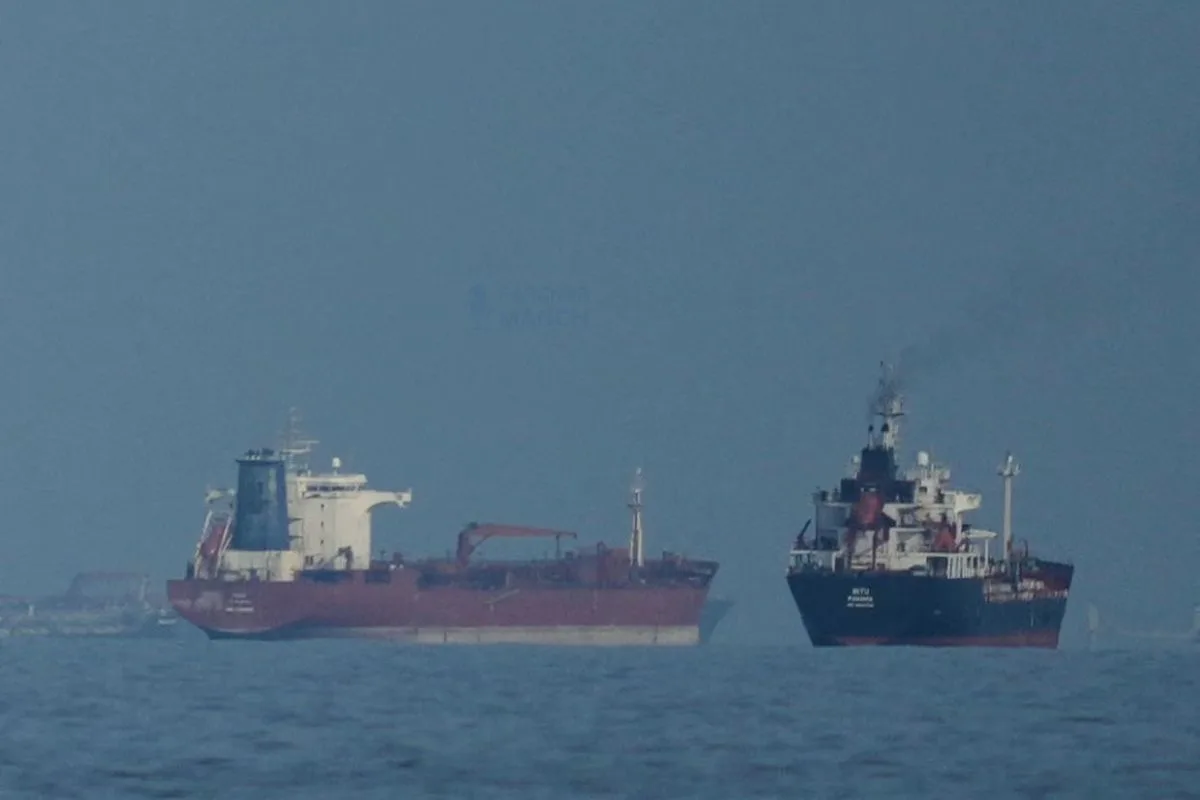
So, here’s the core of it the US Navy blockade of Iran situation isn’t just about military presence. It’s about control. About access. About pressure.
Iran is a major oil-producing country. Not the biggest, but significant enough that even a disruption in its exports sends ripples through the global oil supply.
Now imagine:
- Ships unable to leave Iranian ports
- Oil exports are slowing down or stopping
- Buyers scrambling for alternatives
That’s where the tension begins.
And markets they don’t wait. They react early. Sometimes too early.
WHY Are Oil Prices Rising?
Let’s not overcomplicate this. The oil prices rise mainly because of fear, or more precisely, the expected shortage.
Here’s why:
- Supply disruption fears: If Iran can’t export oil, global supply decreases.
- Market speculation: Traders anticipate shortages and push prices higher.
- Geopolitical tension, conflict risk, and uncertainty always drive prices up.
- Shipping route concerns: The Strait of Hormuz (a critical oil route) becomes vulnerable.
And honestly markets hate uncertainty more than anything else.
HOW Does This Affect Global Oil Supply?
The global oil supply is like a delicate web not a simple pipeline. Pull one thread, and everything shifts.
What happens step-by-step:
- Iran exports less oil
- Buyers (like China, India) look elsewhere
- Other producers (Saudi Arabia, US) try to fill the gap
- Demand exceeds immediate supply
- Prices rise globally
It sounds linear, but it’s not. It’s messy. There’s lag, negotiation, politics and sometimes pure chaos.
Read More: Global Oil Supply: How US-Iran Conflict Impacts Oil Prices
EXAMPLE: What Happened in Past Similar Situations?
We’ve seen this before not the same, but close enough.
Example:
- During tensions in the Middle East (like past Iran sanctions)
- Oil prices jumped rapidly
- Countries faced inflation spikes
- Fuel became expensive globally
Even a rumour of conflict has historically caused oil market volatility.
And this this isn’t just a rumour.
IMPACT ON INDIA (And Why You Should Care)
Let’s bring this closer to home.
India imports a large portion of its oil. So when crude oil prices increase, the effects are immediate and personal.
Direct impacts:
- Petrol and diesel prices increase
- Transportation costs rise
- Inflation goes up
- Everyday goods become more expensive
It’s not just about fuel. It’s about everything that moves which is everything.
MISTAKES People Often Make While Understanding This Situation
Sometimes we oversimplify things. Or misunderstand them completely.
Common mistakes:
- “Only Iran is affected” No this impacts the entire global energy market
- “Prices rise only when supply stops” Wrong prices rise on the expectation of disruption
- “This is temporary”, Maybe but geopolitical tensions can last longer than expected
- “Oil prices don’t affect me directly” They do through inflation, transport, and daily costs
PRO TIPS: How to Understand and Navigate Such Situations
You don’t need to be an expert in geopolitics to stay informed.
Here’s what actually helps:
- Track crude oil benchmarks: Brent crude and WTI give real insights
- Watch global news, not just local. Oil is a global commodity
- Understand patterns: Tensions → price rise → economic impact
- Plan financially. Rising fuel costs often mean broader inflation
And maybe just maybe don’t ignore these “far away” events. They tend to arrive closer than expected.
Read More: Why Iran and Israel are at War: 2026 Conflict & Operation Epic Fury Explained
The Bigger Picture: It’s Not Just About Oil
This is where things get layered.
The US-Iran tension isn’t only about oil. It’s about:
- Political influence
- Strategic dominance
- Control over key trade routes
Oil is just the visible surface. Beneath it There’s power, history, and unresolved conflict.
And sometimes, it feels like oil markets are reacting not just to supply, but to emotion. Fear. Anticipation. Memory of past crises.
What Could Happen Next?
This part is uncertain and maybe that’s the most honest answer.
Possible scenarios:
- De-escalation: Talks happen, tensions reduce, prices stabilise
- Partial disruption, limited blockade, moderate price increase
- Full escalation: Major supply shock, sharp price surge
Markets are watching. Governments are preparing. And somewhere, traders are already placing bets.
Conclusion
And when you step back just a little this whole situation feels like a reminder. That the world is deeply connected in ways we don’t always notice.
A naval movement here a policy decision there and suddenly, your daily expenses change.
Oil it’s not just fuel. It’s a signal. A quiet indicator of global stability or the lack of it.
Right now, that signal is flickering.
Not fully alarming yet. But not calm either.
Something in between.
FAQs
Why are oil prices rising right now?
Because of fears surrounding the US Navy blockade of Iran, which may disrupt the global oil supply.
Will fuel prices increase in India?
Yes, if crude oil prices increase, fuel prices in India are likely to rise.
Is this situation permanent?
Not necessarily. It depends on how the US-Iran tension evolves.
What is the biggest risk here?
A major oil supply disruption leading to global inflation.
Can other countries replace Iran’s oil supply?
Partially, but not immediately, which is why oil market volatility increases.