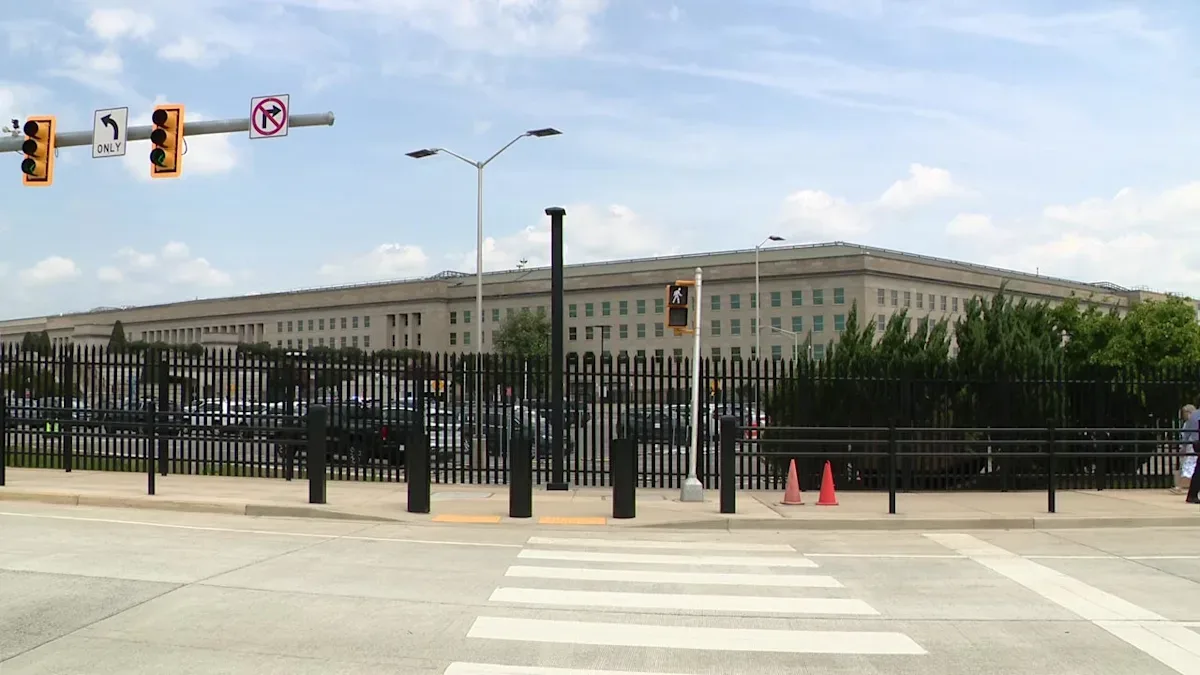
Pentagon Shelter-in-Place: Air Quality Scare Triggers Hazmat Response , But Testing Clears the All Clear
Imagine showing up to work one morning, sitting down at your desk inside one of the most fortified buildings in the world, and being told: stay where you are. Do not move. We have detected something in the air.
That is what happened on the morning of June 11, 2026, at the Pentagon.
A hazardous materials incident prompted an emergency response at the Pentagon on Thursday morning after air-quality sensors detected an issue inside the building. For several hours, parts of America's military nerve centre were under a Pentagon shelter-in-place order, hazmat teams were deployed, and the quiet urgency of a building in lockdown settled over multiple floors and corridors.
And then, by the afternoon, it was over.
What Happened: The Pentagon Air Quality Scare Explained
Portions of the Pentagon had gone into a shelter-in-place earlier Thursday, after officials locked down multiple floors and hallways in response to a potential air hazard situation.
The alert came from the building's own systems. Hazmat teams were sent to scrub areas in the A Ring, the centermost of the Pentagon's five rings. The A Ring sits at the core of the building's concentric structure. If there was going to be a hazardous air situation that affected the most senior personnel and the most sensitive operations, that is where it would most likely originate or concentrate.
Defense Department spokesperson Sean Parnell said the Pentagon's monitoring systems had detected an air quality issue, prompting officials to activate precautionary safety measures while the situation was being assessed. According to the statement, standard protection protocols were immediately implemented, including a shelter-in-place order for personnel in the affected area.
While the official language remained cautious and avoided speculation about the cause, the response itself reflected the seriousness with which the situation was being treated. Emergency procedures are typically activated only when there is a potential risk to personnel, indicating that authorities considered the air quality concern significant enough to warrant an immediate hazmat-style response until further testing could determine the nature and extent of the threat.
The All-Clear: Testing Confirms No Pentagon Hazard
Just under three hours after emergency response units reported that they were responding to the incident, Pentagon spokesman Sean Parnell wrote on X at 1:31 p.m. ET: "Earlier this morning, Pentagon occupants were notified of a potential air quality issue, prompting immediate precautionary safety measures and evaluation. Subsequent testing confirmed no hazard exists, and normal operations have resumed."
Arlington Fire and EMS units, including their Hazardous Materials Team, operated at the Pentagon in support of PFPA's Hazmat Team during the incident.
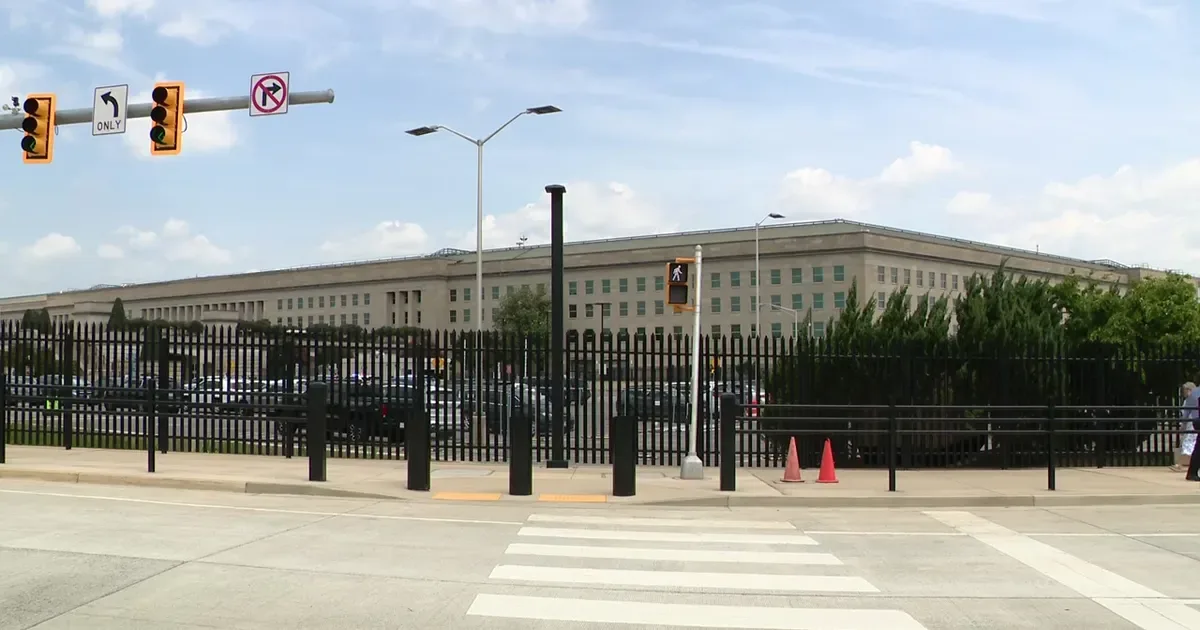
The Pentagon air quality incident was, ultimately, a false alarm. But it is the kind of false alarm that is supposed to happen , because the alternative, dismissing an alert from a sophisticated monitoring system inside the world's largest office building housing the US Department of Defense, would be far worse than the disruption of a temporary lockdown.
Read More: When Missiles Move Markets: Why Indian Stocks Fell as US-Iran Tensions Reignited
Why the Pentagon Shelter-in-Place Protocol Exists , and Why It Worked
A shelter-in-place order is not a panic response. It is a calculated one. When air quality sensors flag something unknown inside a complex that houses thousands of government employees, defence officials, and classified operations, the correct response is to contain movement, deploy specialists, and test before resuming activity.
Chief Pentagon spokesman Sean Parnell said building safety systems detected the issue, triggering precautionary measures and standard protection protocols.
This is exactly the system working as designed. The Pentagon's hazmat emergency response infrastructure operates on the assumption that a sensor alert is real until it is definitively proved not to be. The cost of a false alarm is hours of disruption. The cost of ignoring a real one is unthinkable.
That calculation is not unique to the Pentagon. Office buildings, hospitals, schools, and government facilities across the world operate with similar protocols. The difference here is scale, sensitivity, and the nature of the work being done inside those walls.
What This Tells Us About Modern Building Safety Systems
Air quality monitoring and threat detection systems at critical government facilities have become increasingly advanced over the past two decades. Following the security reforms implemented after the September 11 attacks, the Pentagon invested heavily in technologies designed to identify potential chemical, biological, and environmental hazards at an early stage. These systems are intended to detect even minor anomalies and trigger immediate precautionary responses when necessary.
Thursday's incident demonstrated how those protocols operate in practice. Once an air quality concern was detected, safety procedures were activated, affected personnel were instructed to shelter in place, and specialist teams began testing to determine whether a genuine threat existed. The response followed established emergency management procedures designed to prioritise safety while authorities assessed the situation.
After a thorough evaluation, officials concluded that there was no ongoing danger and lifted the restrictions. The entire process, from detection to clearance, was completed within a matter of hours. Given the size, complexity, and security significance of the Pentagon, the response highlighted the effectiveness of systems designed to rapidly identify potential risks and verify conditions before normal operations resume.
Disclaimer: This article is based on information available across the web. Parchar Manch does not take responsibility for its complete accuracy, as the content could not be fully verified.
FAQs
What caused the Pentagon shelter-in-place on June 11, 2026?
Air-quality sensors detected an issue inside the building, prompting an emergency response and hazmat teams being sent to scrub areas in the A Ring.
Was any hazardous material found at the Pentagon?
No. Testing found no hazard, and normal operations were resumed. The incident was deemed a false alarm.
Who responded to the Pentagon hazmat incident?
Arlington Fire and EMS units, including their Hazardous Materials Team, operated at the Pentagon in support of PFPA's Hazmat Team during the incident.
How long did the Pentagon shelter-in-place last?
The all-clear was issued just under three hours after emergency response units first reported responding to the incident.
What is the A Ring of the Pentagon?
The A Ring is the centermost of the Pentagon's five rings, making it the core of the building's concentric structure.
Who announced the all-clear at the Pentagon?
Chief Pentagon spokesman Sean Parnell issued the statement confirming no hazard existed and that normal operations had resumed.