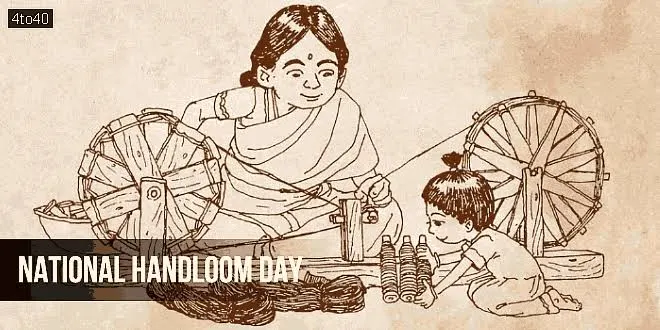
PM Narendra Modi Promotes National Handloom Day on Instagram
Prime Minister Narendra Modi marked National Handloom Day 2026 by highlighting India's rich handloom heritage and encouraging people to support traditional artisans and indigenous textiles. Through his social media presence, the Prime Minister drew attention to the importance of India's handloom sector and the contribution of weavers who have preserved traditional crafts for generations.
National Handloom Day is observed every year on August 7 to recognise India's handloom community and commemorate the Swadeshi Movement, which was formally launched on August 7, 1905.
Why Is National Handloom Day Celebrated?
National Handloom Day was first observed in 2015. The date of August 7 was selected because of its historical connection with the Swadeshi Movement.
The movement encouraged Indians to use locally produced goods and promote indigenous industries. Handloom and traditional textiles became an important part of this effort.
More than a century later, National Handloom Day continues to highlight the importance of local craftsmanship, sustainable textiles and India's cultural heritage.
PM Modi Highlights India's Handloom Heritage
PM Narendra Modi has regularly promoted India's traditional crafts and local products through initiatives encouraging people to support domestic artisans.On National Handloom Day, his message focused attention on India's diverse textile traditions and the skills of weavers working across different states.
India's handloom sector is known for its wide variety of fabrics, patterns, weaving techniques and regional traditions. From Banarasi silk and Kanchipuram silk to Assam's traditional textiles and Odisha's handwoven fabrics, each region has its own distinctive identity.
By promoting handloom products on social media, the government is also attempting to connect traditional artisans with younger consumers and modern markets.
Instagram and the Promotion of Indian Handlooms
Social media platforms such as Instagram have become important tools for promoting traditional products.
Visual platforms allow artisans, designers and small businesses to showcase handwoven sarees, fabrics, clothing and home décor products to audiences across India and internationally.
PM Modi's Instagram presence also provides a large platform for highlighting Indian cultural products and encouraging people to explore locally made goods.For handloom producers, digital platforms can potentially provide direct access to customers without relying entirely on traditional retail channels.
Importance of the Handloom Sector in India
The handloom industry plays an important role in India's rural and semi-rural economy. It provides employment and income to a large number of weavers, artisans and people involved in related activities.
Unlike mass-produced textiles, handloom products often involve traditional skills passed down from one generation to another.
The sector also supports India's cultural diversity. Different communities have developed unique weaving styles based on local history, climate, traditions and available materials.
Supporting handloom therefore goes beyond buying clothing. It also contributes to preserving traditional knowledge and craftsmanship.
How Consumers Can Support Handloom Artisans
Consumers can contribute to the handloom sector in several ways.
One simple step is to purchase genuine handloom products from trusted sellers and certified sources. Buyers can also learn about the origin of a textile before purchasing it.
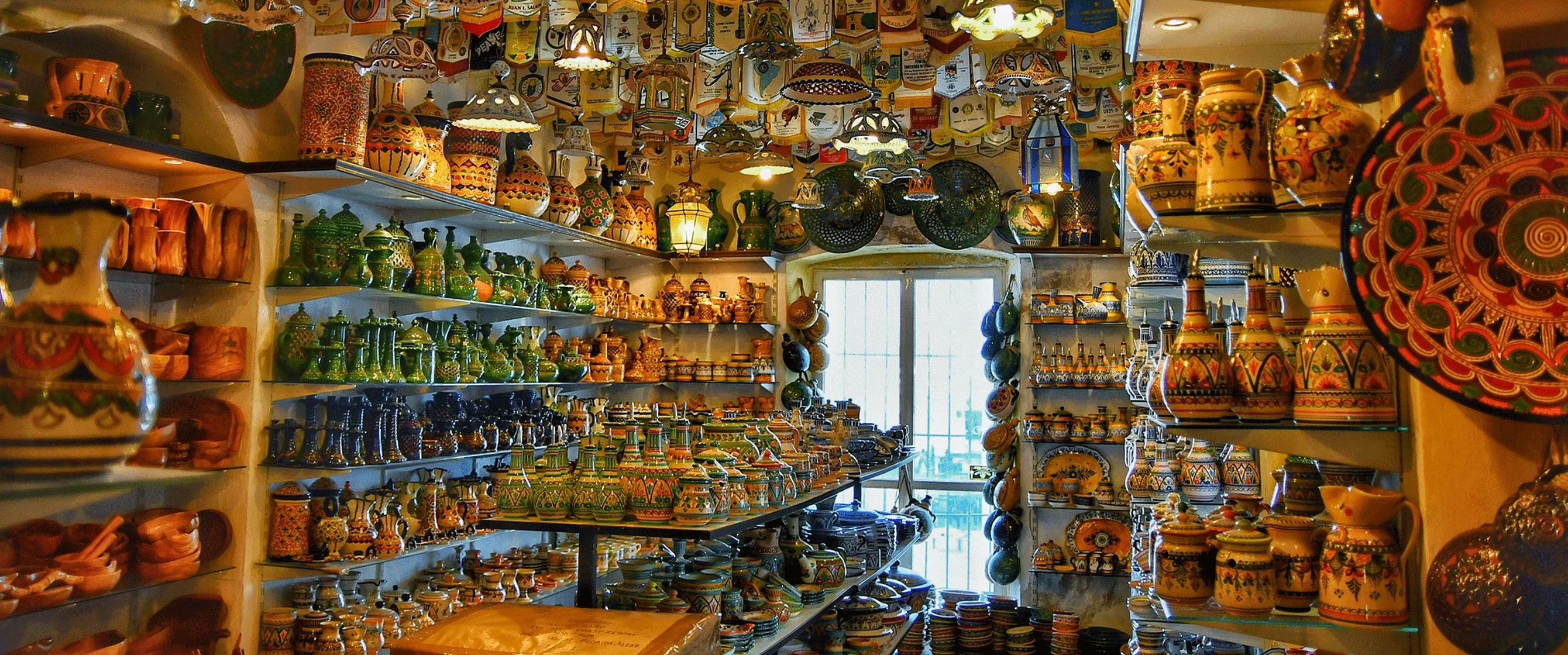
Supporting local artisans and small businesses can help ensure that more of the value generated by a product reaches the people involved in its production.
Consumers can also promote traditional textiles by sharing information about Indian handloom products on social media.
National Handloom Day 2026 and the 'Vocal for Local' Message
National Handloom Day also connects with the broader idea of supporting local products.
The "Vocal for Local" approach encourages consumers to explore Indian-made products and support domestic businesses and artisans.
For the handloom industry, this message can be particularly important because traditional weaving is closely connected to local communities and cultural identity.
Promoting Indian textiles among younger consumers could help create a new market for traditional products while encouraging innovation in designs and clothing styles.
Role of Technology in the Future of Handloom
Technology could play a major role in transforming India's handloom sector.
Online shopping platforms, social media marketing, digital payments and direct-to-consumer businesses can help artisans reach customers beyond their local markets.
Designers are also increasingly experimenting with traditional fabrics in contemporary clothing. This combination of traditional techniques and modern design could make handloom more attractive to younger consumers.
Artificial intelligence and digital design tools may also influence the textile industry in the future, although preserving the human craftsmanship behind handloom products will remain important.
Why National Handloom Day Matters
National Handloom Day is not only a celebration of traditional clothing. It is an opportunity to recognise the people behind India's textile heritage.
Weavers and artisans preserve skills that may have existed for centuries. Their work represents India's cultural diversity and provides livelihoods to communities across the country.
The promotion of handloom through platforms such as Instagram can help introduce these traditions to a new generation.
Conclusion
PM Narendra Modi's National Handloom Day message highlights the continuing importance of India's traditional textile industry. By promoting handloom products and the work of Indian artisans, the government is drawing attention to a sector that combines culture, employment and craftsmanship.
National Handloom Day 2026 also provides an opportunity for consumers to explore Indian textiles and support local artisans.
As shopping habits increasingly move online, social media and digital marketplaces could become powerful tools for connecting traditional weavers with modern consumers. The challenge will be to preserve authentic craftsmanship while helping the handloom sector adapt to changing markets.
For India, supporting handloom means supporting not just a textile tradition but also the people and communities that keep that tradition alive.
FAQs
What is National Handloom Day 2026?
National Handloom Day 2026 is observed on August 7 to recognise India's handloom weavers, artisans and the country's rich textile heritage.
Why is National Handloom Day celebrated on August 7?
August 7 commemorates the launch of the Swadeshi Movement in 1905, which promoted indigenous products and encouraged people to support Indian-made goods.
What did PM Narendra Modi say on National Handloom Day?
PM Modi highlighted India's traditional handloom heritage and encouraged people to appreciate and support Indian artisans and locally produced textiles.
Why is the handloom sector important in India?
The handloom sector provides livelihoods to numerous artisans and helps preserve traditional weaving techniques, regional designs and India's cultural heritage.
How can people support Indian handloom artisans?
People can support artisans by purchasing authentic handloom products, choosing locally made textiles, buying from trusted sellers and promoting Indian handloom products online.