Puri Rath Yatra Crowd Surge Leaves Devotees Hospitalised, Here Is What Actually Happened
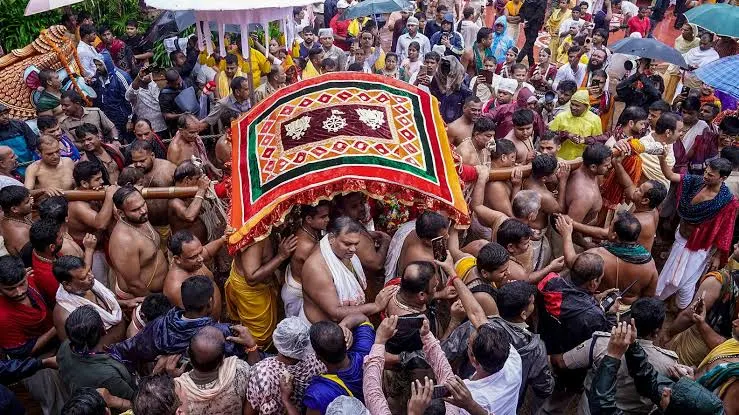
Marichikot Square, around 2 in the afternoon. Thousands of people packed shoulder to shoulder, chanting, pulling ropes thicker than a grown man's arm, and then, within minutes, the crowd stopped moving the way crowds are supposed to move. That is roughly how Thursday unfolded at this year's Jagannath Rath Yatra in Puri, Odisha.
The Puri Rath Yatra crowd surge left at least two devotees dead from suffocation and well over a hundred people hospitalised, according to officials on the ground. Some early reports put the number rescued from the crush at 33, others said closer to 100. By evening, more than 120 people had been treated at Puri District Main Hospital and the Medical College, many for breathing difficulties, heat exhaustion, and injuries sustained simply trying to get out.
Why This Actually Matters Beyond Puri
You might wonder why a festival crowd incident in one Indian coastal town deserves your attention if you were not there. Here is the honest reason: the Rath Yatra draws tens of thousands, sometimes lakhs, of pilgrims from across the country and abroad, every single year, and this is not the first time a crowd surge has turned dangerous. Last year's festival saw three people killed near the Gundicha Temple during a related ceremony. The pattern repeating itself, year after year, at one of the world's oldest religious processions, is exactly the kind of thing that deserves scrutiny rather than a shrug.
And if you or someone you know plans to attend next year, or any large religious gathering of this scale in India, understanding what went wrong here is genuinely useful, not just informative for its own sake.
What a Crowd Surge Really Is, Explained Simply
A crowd surge is different from what most people picture when they hear the word stampede. Nobody necessarily runs. Instead, picture a densely packed space where thousands of people are pushing gently in slightly different directions, none of them intending harm, and the accumulated pressure becomes enough to crush the people caught in the middle. It is less like a chase and more like a slow, invisible vice tightening.
At Marichikot Square, that is essentially what officials described. Devotees converged from multiple directions to catch a glimpse of the chariots, the crowd density built up faster than anyone anticipated, and people near the center began losing consciousness from lack of oxygen, not from any single triggering event like a fall or a fight.
How the Puri Rath Yatra Emergency Response Unfolded, Step by Step
- Around 2 p.m. on Thursday, devotees massed heavily near Marichikot Chowk as the chariots of Lord Jagannath, Balabhadra, and Devi Subhadra moved along Grand Road.
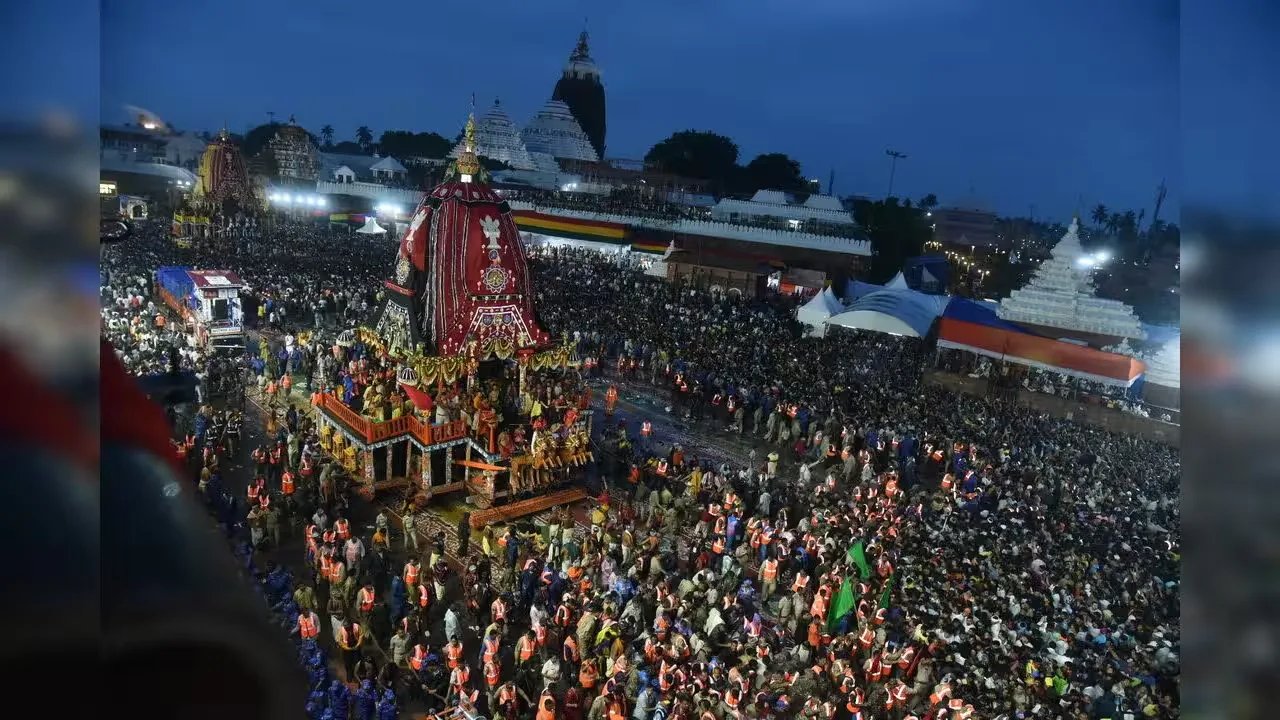
- Overcrowding built rapidly, and several devotees began fainting or showing signs of suffocation within the packed crowd.
- The Special Rescue Unit of Odisha Fire and Emergency Services, which had teams stationed along the route, began pulling affected devotees free and administering first aid and oxygen on the spot.
- Ambulances and temporary medical camps near the route received the injured, while more serious cases were shifted to Puri District Headquarters Hospital and the Medical College.
- Two devotees who had fallen unconscious were declared dead after arriving at the hospital, according to officials.
- Odisha's fire and emergency officials confirmed that around 100 people were rescued from the congestion over the course of the day, with roughly 120 to 150 receiving medical treatment for various degrees of injury or distress.
Real World Examples That Put the Risk in Perspective
This is not an isolated year. In 2025, a stampede near Shree Gundicha Temple during related festivities killed three devotees, two of them women, and injured around fifty others. The year before that, hundreds fell ill from a mix of extreme heat and overcrowding, with roughly 625 people needing treatment, nine of them in critical condition. Look at that trajectory and a clear picture forms, the Rath Yatra's scale keeps growing, but the physical bottlenecks along the route, narrow squares, single chokepoints like Marichikot, have not really changed to match it.
Mistakes People Keep Making During Mass Gatherings Like This
A mistake that keeps repeating, understandably, is devotees underestimating how quickly a peaceful, devotional crowd can become physically dangerous. Nobody walks into Marichikot Square thinking of it as risky, it is a sacred moment for most people there, and that emotional pull can override the instinct to step back when a space starts feeling too tight.
Another recurring issue on the administrative side is chariots getting stuck at certain points along Grand Road, sometimes for over an hour, which causes crowds to keep building behind a bottleneck rather than dispersing. Officials have acknowledged this pattern before, yet it tends to resurface each year.
Read More: Vera C. Rubin Observatory 10-Year Survey Just Started, and It's Basically Filming the Universe Live
Pro Tips That Actually Help if You Attend Next Year
If you are planning to attend the Rath Yatra yourself, avoid standing near known chokepoints like Marichikot Square during peak chariot movement hours, particularly early to mid afternoon, when crowd density has historically spiked. Carry water, stay near the barricaded queue lines rather than open congregation areas, and if you start feeling the crowd tighten around you, move sideways toward the edge immediately rather than waiting to see if it eases. Local authorities have also started designating separate darshan queues after past incidents, using those lines instead of pushing toward open viewing areas measurably reduces individual risk.
Closing Thoughts
There is something quietly heartbreaking about a festival meant to celebrate faith and renewal turning into a scene of oxygen masks and stretchers, year after year. Puri's Rath Yatra will likely draw just as many devotees next year, if not more, because the devotion behind it runs deep and does not fade because of one difficult afternoon. The real question moving forward is whether crowd management at spots like Marichikot Square evolves as fast as the crowds themselves do.
Read More: Melbourne Renegades vs Perth Scorchers in Chennai: Why Australia's Big Bash Is Finally Coming to India
Disclaimer: This article is based on information available across the web. Parchar Manch does not take responsibility for its complete accuracy, as the content could not be fully verified.
FAQs
What happened during the Puri Rath Yatra crowd surge?
On Thursday, a dense crowd surge near Marichikot Square during the Jagannath Rath Yatra led to suffocation deaths and left over a hundred devotees hospitalised.
How many people died and were injured?
Officials reported at least two deaths, with figures on hospitalisations ranging from around 120 to 150 people treated for injuries, heat exhaustion, and breathing difficulties.
Why do crowd surges happen at Rath Yatra?
Extremely high devotee density in narrow stretches of Grand Road, combined with chariots sometimes stalling at chokepoints, allows pressure to build until people in the center of the crowd cannot breathe properly.
Has this happened at Puri Rath Yatra before?
Yes. In 2025, a stampede near Gundicha Temple killed three people, and the year before that, hundreds fell ill from heat and overcrowding during the same festival.
Who responded to the emergency?
The Special Rescue Unit of Odisha Fire and Emergency Services led the rescue effort, pulling affected devotees from the crowd and providing oxygen support before hospital transfer.
Is it safe to attend the Rath Yatra as a pilgrim?
It remains largely safe for most attendees, but avoiding known congestion points during peak hours and following official queue arrangements significantly reduces personal risk.