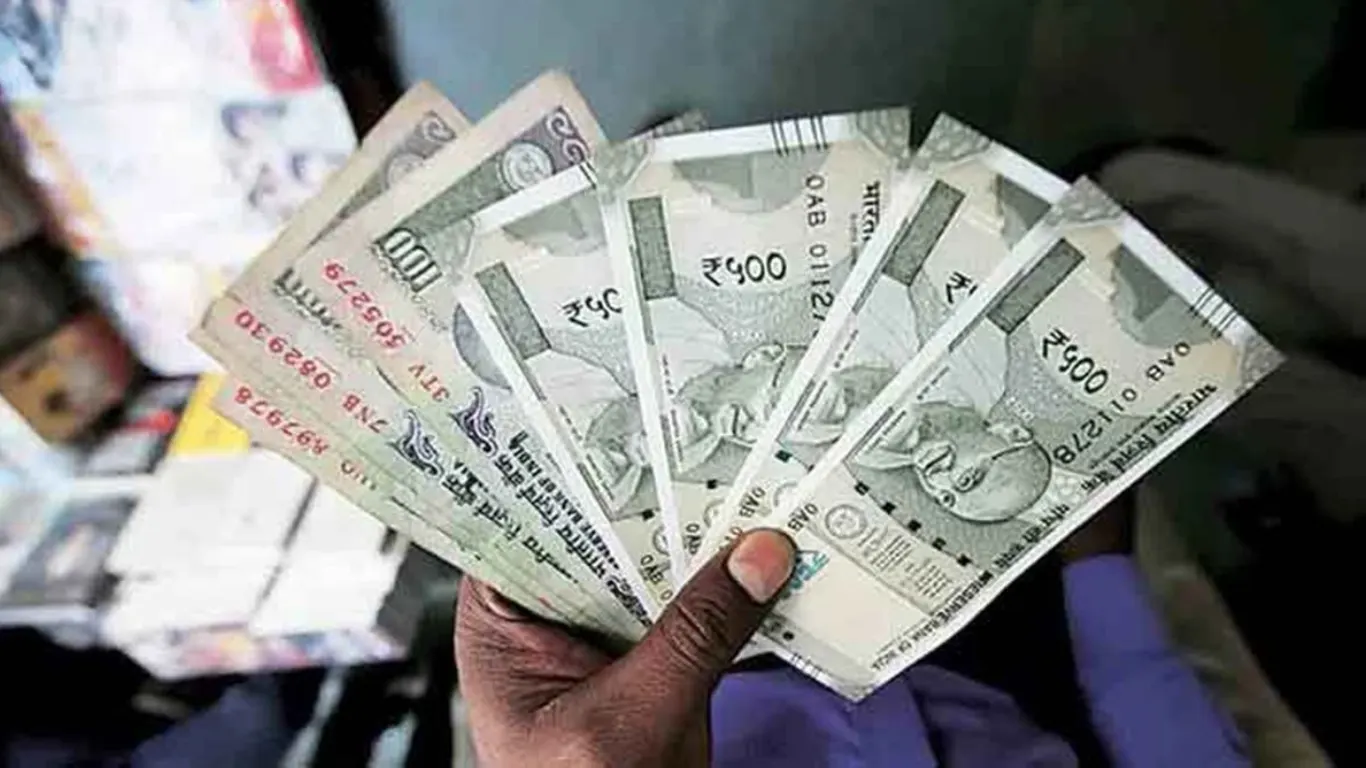
RBI Polymer Banknotes: India's Plastic Currency Plan Is Back on the Table — And This Time It Looks Serious
The note in your wallet right now has a life expectancy of roughly one to two years. After that, it gets shredded and replaced, at a cost that quietly runs into thousands of crores annually. The Reserve Bank of India has known this for years. And now, according to recent reports, it is actively discussing a way to change it.
RBI polymer banknotes are back under serious consideration. After nearly a decade of the idea sitting in a policy drawer, the central bank has reportedly raised the subject in recent board meetings, signaling that the plan to introduce plastic currency notes in India may be closer to reality than most people realize.
Why the RBI Is Reviving the Polymer Currency Plan Right Now
India's demand for physical cash is rising, not falling. Even as digital payments have surged, the total value of currency in circulation keeps climbing. More cash in circulation means more notes to print, more notes getting soiled, torn, and worn out, and more money spent replacing them.
Currency printing costs in India have been increasing steadily. Paper notes, made from cotton and linen fiber, absorb moisture, collect bacteria, and degrade quickly in a country with India's climate, geography, and cash-handling patterns. A note that passes through hundreds of hands in rural markets, gets folded and crumpled in wallets, and sits through monsoon humidity simply does not last long.
The RBI reportedly wants to conduct a polymer banknotes pilot program, likely beginning with smaller denominations, to test how these notes perform in Indian conditions before any wider rollout.
Read More: Just 14 Days Off Social Media Could Reverse 10 Years of Brain Rot, New Study Reveals
What Polymer Banknotes Actually Are
Think of a polymer note as a banknote printed on a very thin, flexible plastic film rather than paper. The material used is called biaxially oriented polypropylene, which is a type of specialized plastic substrate. It is not the soft, bendy plastic of a shopping bag. It is stiff, smooth, and feels noticeably different from cotton-paper currency.
Australia was one of the first countries to adopt polymer notes nationally, back in 1988. Today, more than 40 countries use them, including the United Kingdom, Canada, Singapore, and New Zealand. So this is not an untested idea. It is a well-established global standard that India has simply not yet adopted at scale.
The durability of polymer currency is one of its strongest arguments. A polymer note typically lasts two and a half to five times longer than a paper note. That lifespan difference translates directly into lower long-term printing costs.
How Polymer Notes Compare to Paper Currency
The differences are not just about how long they last.
Polymer notes and counterfeit prevention go together quite naturally. The material allows for embedded transparent windows, micro-printing, and complex holographic elements that are significantly harder to replicate than the features on paper notes. This matters enormously in a country where counterfeit currency remains an active concern.
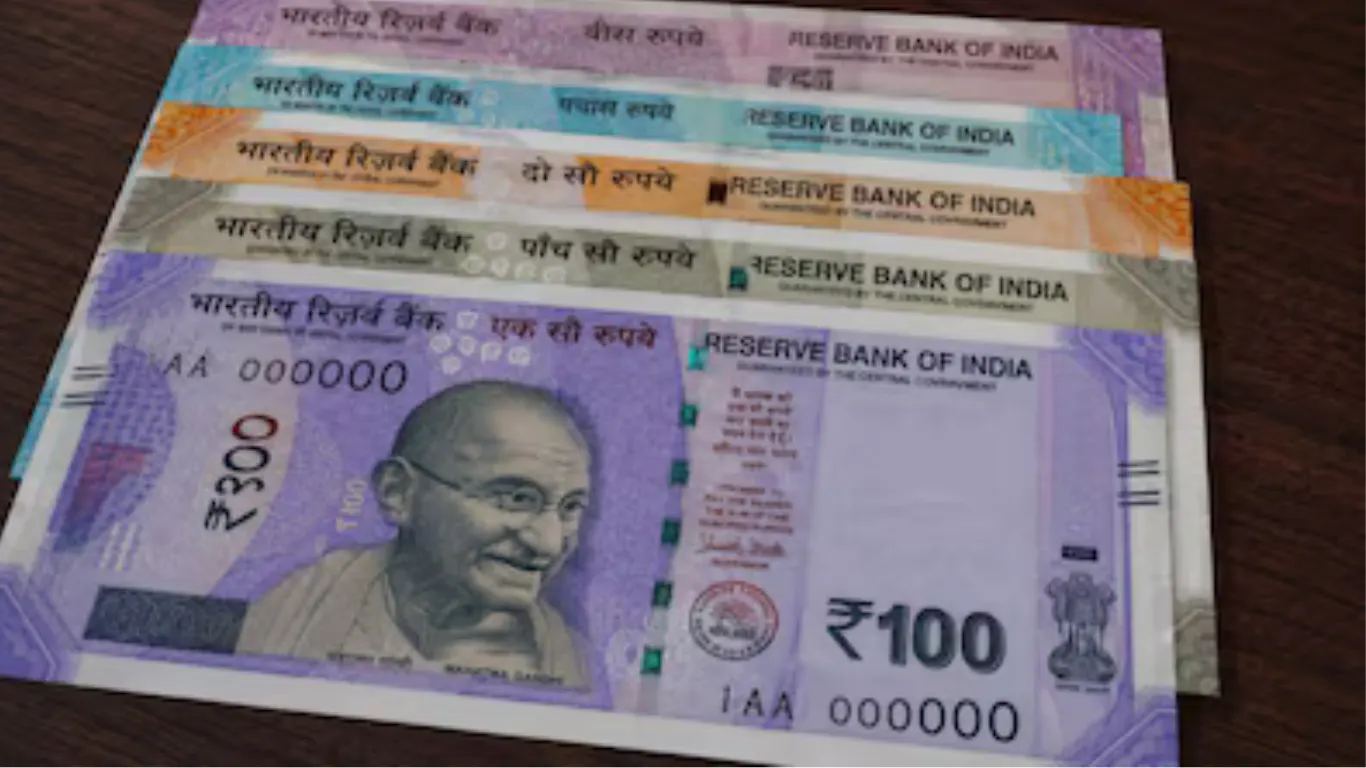
They are also waterproof. You can put a polymer note through a washing machine and pull it out intact. They resist tearing, do not crumple permanently, and are less likely to become unhygienic over time. From a public health standpoint alone, the case is reasonably compelling.
On the recycling side, used polymer notes can be melted down and repurposed into other plastic products rather than just incinerated.
What the RBI Pilot Program Might Look Like
India actually tested the concept once before, in 2014, with a limited trial of one rupee polymer notes in five cities including Kochi, Mysuru, Jaipur, Shimla, and Bhubaneswar. That pilot was not widely publicized and the results were reportedly mixed, partly because of challenges with printing infrastructure and the public's initial resistance to the unfamiliar feel.
This time, the context is different. Printing technology has advanced. The RBI board discussions on polymer currency suggest a more systematic approach, with an eye on cost reduction as a primary driver alongside the durability and security benefits.
The most likely scenario is a phased rollout, starting with a specific denomination, possibly a lower-value note, as a controlled test before any decision on broader adoption.
What People Get Wrong About Plastic Currency
The most common misconception is that moving to polymer notes means abandoning paper entirely overnight. That is not how any country has done it. Every successful transition has been gradual.
Another misunderstanding is that polymer notes are immune to counterfeiting. They are significantly harder to fake, but not impossible. The security advantage is real, but it requires the security features to be designed and implemented correctly.
Some also assume plastic notes will feel alien or face public rejection in India. The 2014 pilot showed some resistance, but attitudes shift when durability and freshness become visible benefits in everyday use.
A Quiet but Consequential Decision
The conversation happening inside the RBI boardroom right now is not just a technical one. It is a question about what India's currency infrastructure needs to look like for the next decade. Rising cash demand, climbing printing costs, and the push for better anti-counterfeiting measures in Indian currency are all converging at the same moment.
Whether the pilot eventually leads to a full-scale polymer currency rollout in India depends on how the economics work out at scale. But the fact that the discussion is active and serious is itself a signal worth paying attention to.
Disclaimer: This article is based on information available across the web. Parchar Manch does not take responsibility for its complete accuracy, as the content could not be fully verified.
FAQs
What are polymer banknotes and how are they different from paper notes?
Polymer banknotes are printed on a thin plastic film made from biaxially oriented polypropylene instead of the traditional cotton-linen paper. They are waterproof, more durable, harder to counterfeit, and last significantly longer than paper notes.
Has India ever used polymer currency before?
Yes, briefly. In 2014, the RBI conducted a limited pilot of one rupee polymer notes in five Indian cities. The trial was small-scale and the results were mixed, but the concept was never formally abandoned.
Why is the RBI considering plastic currency notes now?
The primary drivers are rising currency printing costs, increasing cash demand despite digital payments growth, and the need for better durability and counterfeit resistance. Reports indicate the RBI board has been actively discussing the idea in recent meetings.
Which countries currently use polymer banknotes?
More than 40 countries use polymer notes, including Australia, the United Kingdom, Canada, New Zealand, and Singapore. Australia was the first to adopt them at a national scale in 1988.
Will polymer notes replace paper notes entirely in India?
Not immediately. Any transition would be phased, likely starting with a pilot for specific denominations before any wider rollout is considered. No formal announcement of a full replacement has been made.
Are polymer notes better for the environment?
They last significantly longer, which reduces the frequency of replacement printing. Used polymer notes can also be recycled into other plastic products rather than just incinerated. However, they are still a plastic product, so the environmental calculus depends on the full lifecycle.