Saudi Arabia's Secret War on Iran: The Covert Airstrikes That Changed Everything in the Middle East
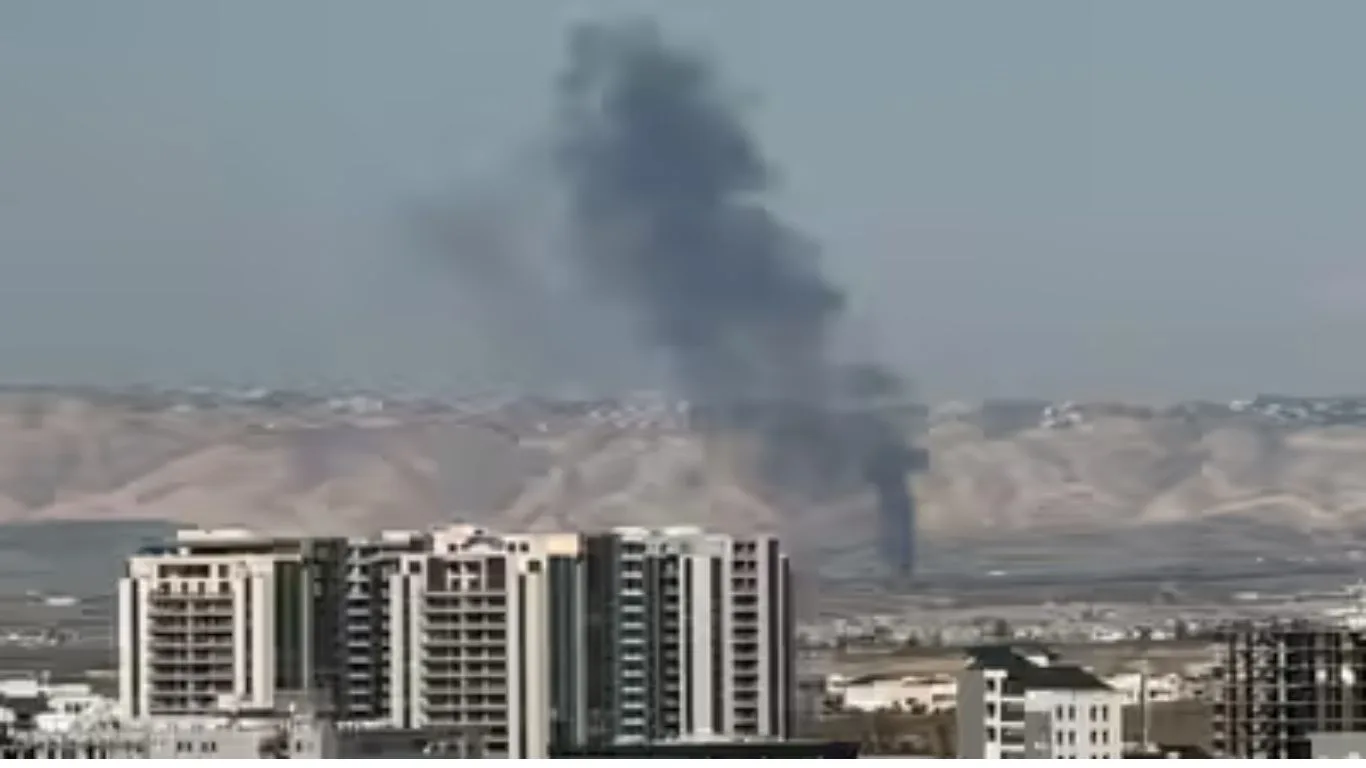
Nobody officially announced it. No press conference, no statement from Riyadh, no ticker-tape moment on state television. And yet, according to multiple credible sources cited by Reuters and corroborated by outlets from The Times of Israel to Japan Times, Saudi Arabia secretly launched retaliatory airstrikes on Iran during the widening Middle East regional conflict earlier this year. This is the story that most governments would rather you not fully understand.
Why Saudi Arabia's Secret Strike on Iran Is a Massive Deal
Think about what this means for a moment. Saudi Arabia and Iran have been adversaries for decades. Their rivalry cuts through religion, regional influence, oil markets, and proxy wars. They are the two dominant powers of the Middle East, each backing opposing sides in conflicts from Yemen to Syria to Lebanon. For Riyadh to physically strike Iranian territory, even covertly, is not just a policy shift. It is a redefinition of what this rivalry can become.
The broader context matters here. The strikes reportedly took place during a period when the Middle East regional conflict was escalating sharply, with US-Israeli military pressure on Iran reaching intense levels around March 2025. Saudi Arabia, feeling the effects of Iranian-backed attacks on its own soil, did not sit still. It struck back.
What the Reports Actually Say
Multiple sources familiar with the events told Reuters that Saudi Arabia carried out covert airstrikes inside Iran as a retaliatory measure after suffering attacks attributed to Iranian-linked forces. The strikes were not a single event. According to The Times of Israel and other reports, there were multiple operations conducted during this period.
The striking detail: Saudi Arabia also reportedly blocked or "vetoed" a broader American plan to conduct similar strikes on Iran. The kingdom wanted retaliation, yes. But on its own terms, at its own chosen moment, without being swept into a larger American-led military campaign. That distinction reveals a lot about where Saudi foreign policy sits right now.
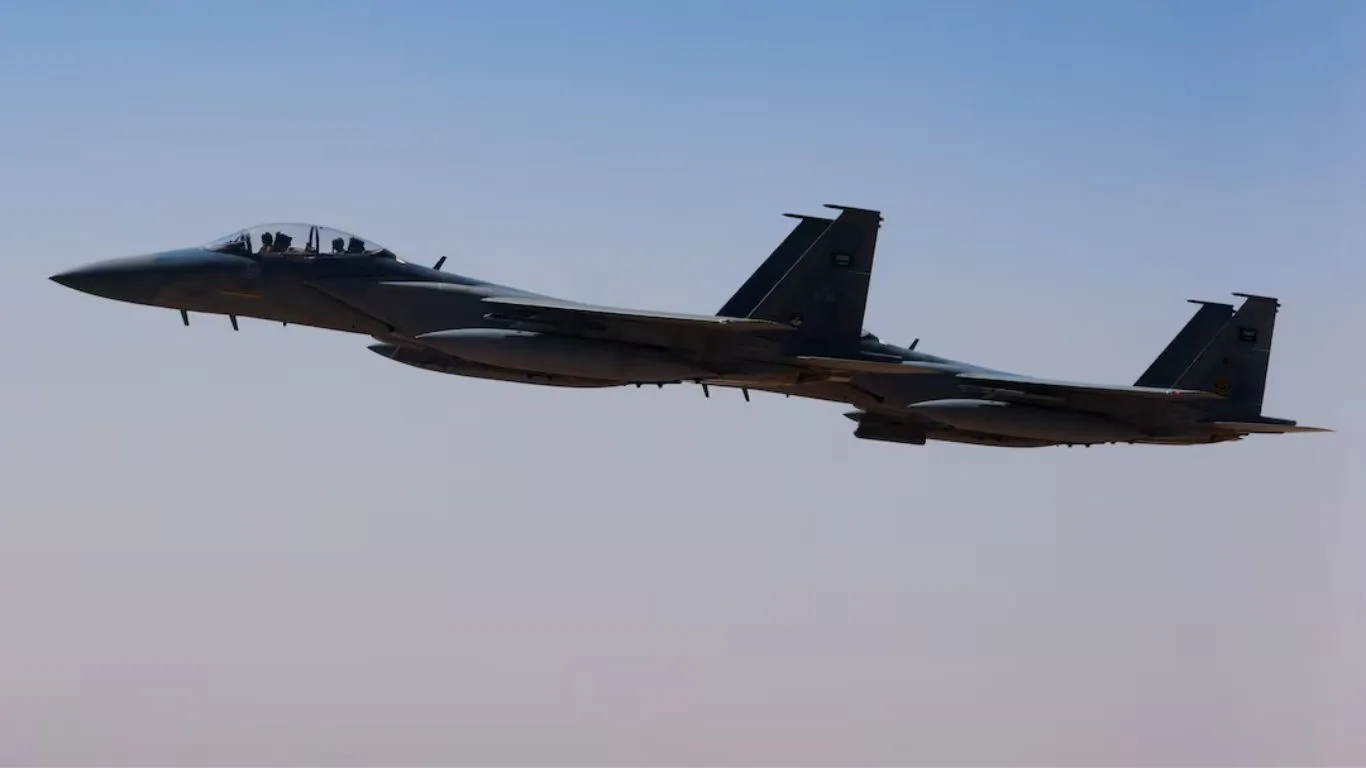
None of this was publicly acknowledged by either Riyadh or Tehran at the time. Iran, for its part, had little incentive to admit its territory had been struck by a neighbouring Arab state. Saudi Arabia had every reason to keep it quiet, too, particularly given its ongoing diplomatic reengagement with Iran brokered by China in 2023.
The Saudi-Iran Rivalry: Background You Need to Know
The Saudi-Iran conflict is not new, and anyone who has followed Middle Eastern news over the past two decades will recognise its contours. At its core, this is a competition for regional dominance between a Sunni-majority monarchy and a Shia theocratic republic. But it is also practical, rooted in oil, in arms, in who controls the chokepoints and corridors of the Arab world.
Iran has historically used proxy forces, including Yemen's Houthis movement, Iraqi militias, and Lebanese Hezbollah, to extend its influence and apply pressure on Riyadh and its allies. Saudi Arabia has responded largely through economic power, diplomatic alliances, and by funding opposition forces in various theatres. Direct military confrontation between the two states had, until now, been avoided.
That is what makes the reported Saudi covert strikes on Iran so historically significant. It crosses a threshold that neither country had crossed before.
Read More: Hantavirus Outbreak on MV Hondius: What Really Happened on That Cruise Ship , And Why It Matters
What This Means for the Region and the World
The implications ripple outward quickly. If confirmed fully, this event represents a fundamental shift in how Middle Eastern states handle their disputes. It signals that the threshold for direct inter-state military action has lowered. It also suggests that the diplomatic rapprochement between Riyadh and Tehran, as meaningful as it appeared in 2023, has not fully neutralised the underlying hostility.
For global oil markets, any sustained military tension between Saudi Arabia and Iran carries enormous risk. The two countries together hold a commanding share of global oil reserves and shipping routes. The Strait of Hormuz, through which roughly 20 per cent of the world's oil passes, sits at the edge of this conflict geography.
For India specifically, which depends heavily on Gulf energy imports and has a massive diaspora in both Saudi Arabia and Gulf states, geopolitical instability in the region is never abstract. It has real consequences for fuel prices, remittances, and regional security partnerships.
What Happens Next
There is no clean answer here. Covert military actions, by their nature, rarely follow predictable scripts. Saudi Arabia may have calculated that a quiet, deniable strike was less escalatory than a public one. Iran may choose not to formally acknowledge or retaliate in kind, preserving its own strategic ambiguity.
Or the situation could spiral. The Middle East escalation of early 2025 has not fully resolved. The underlying grievances remain. What has changed is that a precedent has now been set, even if unofficially, that direct Saudi military action against Iran is possible.
Watch Riyadh's posture carefully in the coming months. The moves that matter most in this region are rarely the ones you see announced.
Disclaimer: This article is based on information available across the web. Parchar Manch does not take responsibility for its complete accuracy, as the content could not be fully verified.
FAQs
Did Saudi Arabia officially admit to striking Iran?
No. Saudi Arabia has not made any official statement confirming the strikes. The reports are based on unnamed sources cited by Reuters and confirmed by multiple international news organisations.
When did the Saudi strikes on Iran reportedly happen?
The strikes reportedly took place during the regional conflict escalation around March 2025, when US-Israeli military pressure on Iran was also intensifying.
Why would Saudi Arabia keep such strikes secret?
Publicly acknowledging an attack on Iran would risk severe diplomatic backlash, undermine the 2023 China-brokered Saudi-Iran normalisation agreement, and potentially trigger a wider military confrontation that Riyadh did not want to escalate openly.
How does this affect the Saudi-Iran rivalry going forward?
It marks a significant escalation threshold being crossed. While both sides may maintain public silence, the precedent of direct military engagement now exists, which fundamentally changes the strategic calculations of both nations.
What does this mean for oil prices and global markets?
Any direct military conflict between Saudi Arabia and Iran poses a serious risk to oil supply routes, particularly through the Strait of Hormuz. Markets will watch any further escalation closely, and sustained conflict could push energy prices significantly higher.