Sonam Wangchuk Hunger Strike: The Three Conditions From A Hospital Bed That Could Decide Everything
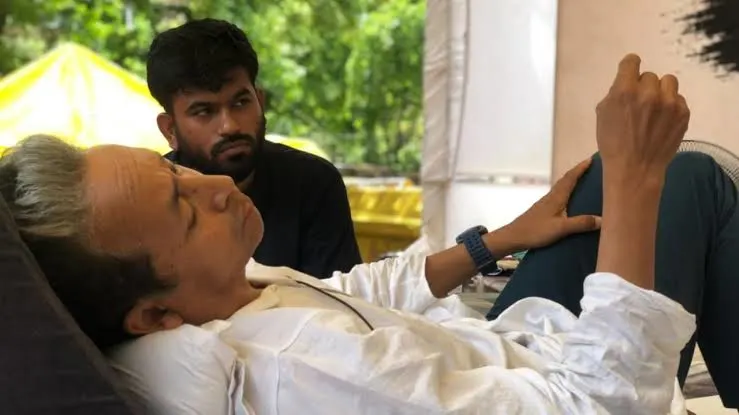
Twenty three days without food. That is where we are. And somehow, from a hospital bed at Safdarjung, still finding the strength to write out, by hand, exactly what it would take to make him stop. That is the strange, quietly striking core of the Sonam Wangchuk hunger strike story right now, and it is worth slowing down and actually understanding it, not just skimming the headline.
Let me explain what is actually going on, because a lot of the coverage jumps straight to numbers and misses the human thread underneath.
Why This Actually Matters
You might think, okay, another activist, another fast, why should I care. Fair question. But here is the thing. this isn't just about one man's health anymore, though that matters plenty on its own. It is about whether India's political system responds to sustained public pressure with actual accountability, or just waits it out. The Sonam Wangchuk hunger strike has become a kind of test case. If Parliament engages, it signals something. If it doesn't, that says something too, quieter, but just as telling.
What It Really Is (Concept Explained Simply)
Here is the plain version, no jargon. Wangchuk, the education reformer many people first heard of through a Bollywood character loosely inspired by him, joined a protest run by the Cockroach Janata Party (CJP) at Jantar Mantar. The protest centers on alleged NEET paper leak issues and broader failures in India's exam system. Somewhere around day twenty, his health took a serious enough turn that he was moved to Safdarjung Hospital on July 18.
Now, from that hospital bed, he has laid out three conditions. Think of it like a locked door with three different keys, any single one of them opens it.
First, the central government publicly takes accountability for recent education system failures, including the paper leak controversies. Second, he and CJP leadership reach the doorstep of Parliament and get direct assurance from MPs across parties that the issue will be raised during the Monsoon Session. Third, and this one is quieter, more practical, if his health makes continuing impossible, MPs visiting him in hospital with the same assurance would also be enough.
No, that's not quite complete, let me add the nuance. He specifically called this decision one resting on concrete assurances, not verbal promises made in passing. That distinction is doing a lot of work in this story.
How It Works, Step By Step
So how does something like this actually unfold in real time.
- The trigger point: Wangchuk announced these terms in a handwritten note shared on social media, dated to coincide with the start of the Monsoon Session on July 20.
- The alleged detention angle: He also claimed he was being kept under what he called illegal detention at the hospital, adding another layer of tension to an already charged situation.
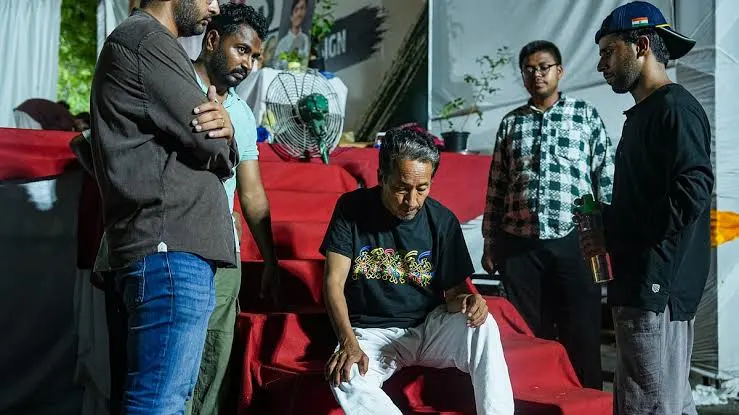
- The march factor: CJP's planned Chalo Sansad march to Parliament runs parallel to this. If the march reaches Parliament and MPs meet the group there, that alone satisfies condition two.
- The political response window: Opposition MPs, ruling party representatives, all now face a choice, engage publicly or risk being seen as indifferent to a health crisis unfolding in real time.
- The health monitoring: The hospital has maintained that his treatment is being handled with continuous vigilance, which honestly tells you how serious his condition has become.
Real World Examples
This isn't Wangchuk's first fast, not by a long way. Back in 2024, he ended a 21 day hunger strike in Leh over Ladakh's statehood demand, and that one wrapped with a public, almost ceremonial gesture, a glass of juice from a young girl amid a crowd of thousands. Later, a longer 35 day fast over the same Sixth Schedule demand ended differently, amid unrest and arson, a reminder that these situations do not always resolve cleanly. The pattern across his activism is consistent though. sustained pressure, followed by either government engagement or escalation.
Mistakes People Keep Making (And Why)
One common mistake, assuming a hunger strike ending means the issue is resolved. It usually isn't, it just moves the fight elsewhere, back into Parliament, into committees, into slower channels. Another one, treating his Ladakh activism and this current education focused protest as the same cause. They're not, they share a person, not a purpose, and confusing the two blurs what CJP is actually asking for right now.
Pro Tips That Actually Help
If you are trying to follow this responsibly, check his own X posts over secondhand summaries, the wording of his conditions matters more than any paraphrase. Watch Parliament proceedings directly during the Monsoon Session rather than relying only on breaking news chyrons, that is where condition two or three actually gets satisfied, or doesn't. And separate health updates from political updates, they move at different speeds and get conflated too often in fast moving coverage.
Closing Thoughts
There is something almost unbearably human about writing out your own terms for survival from a hospital bed, hoping someone with power reads it and acts before it's too late. Whether the Sonam Wangchuk hunger strike ends today, tomorrow, or drags on longer, the underlying demand, real accountability for a broken exam system, isn't going anywhere. That part doesn't get resolved by a single visit or a single assurance. It just starts, quietly, somewhere else.
FAQs
What are Sonam Wangchuk's three conditions to end his hunger strike?
Government accountability for education system failures, MPs assuring him at Parliament's doorstep that the issue will be raised, or MPs visiting him at hospital with the same assurance if his health prevents continuing.
Why is Sonam Wangchuk on hunger strike?
He is protesting alongside the Cockroach Janata Party over alleged NEET paper leak issues and demanding accountability and reform in India's education system.
How long has the Sonam Wangchuk hunger strike lasted?
As of July 20, he has been fasting for 23 days, and was hospitalised at Safdarjung Hospital on July 18 due to his deteriorating health.
Is Sonam Wangchuk being detained at the hospital?
He has claimed on social media that he is being kept under what he calls illegal detention, though authorities maintain his treatment is being managed with continuous medical care.
What happens if none of the three conditions are met?
Based on his own statements, Wangchuk has indicated he would continue his fast unless one of the three specific assurances is secured.