Tahir Hussain Murder Conviction: What the 2020 Delhi Riots Verdict Actually Tells Us
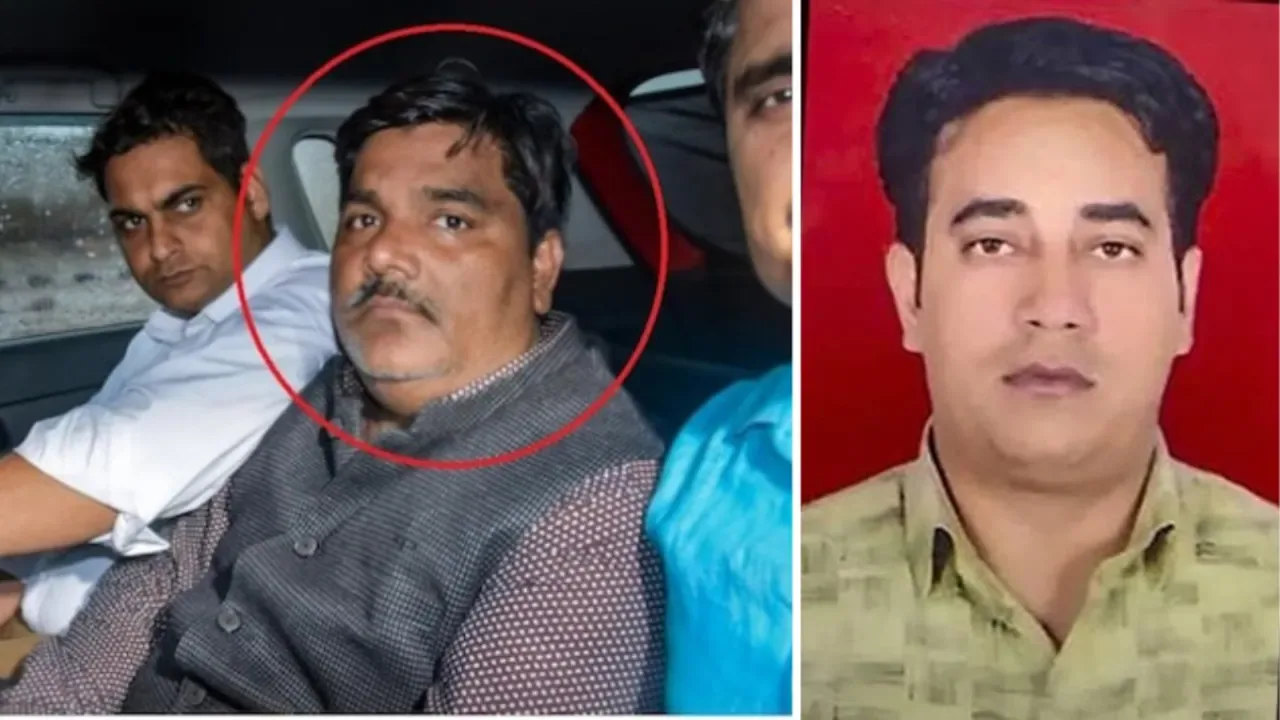
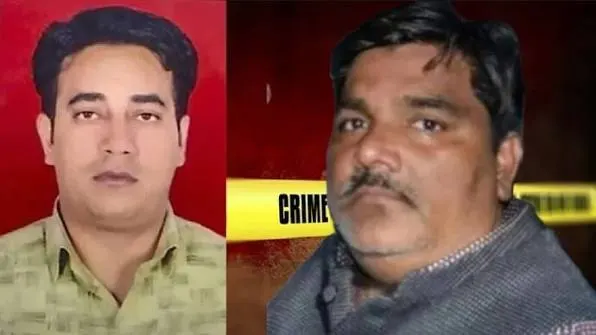
Six years. That's how long it took for a courtroom in Delhi to say, plainly, who was responsible. On Monday, a Karkardooma court delivered the Tahir Hussain murder conviction, closing one of the most watched chapters of the 2020 Northeast Delhi riots, the killing of Intelligence Bureau officer Ankit Sharma. If you've followed this story in pieces over the years, bail hearings here, charge sheets there, this is the moment those pieces finally landed somewhere.
Let me back up a little, because the full picture matters more than the headline.
Why This Verdict Actually Matters
This isn't just a local crime story. It's tied to one of the darkest weeks in recent Delhi history, when communal violence in February 2020 killed at least 53 people and injured around 700. The 2020 Delhi riots left scars that never fully closed, and this case, involving a former Aam Aadmi Party councillor and a slain intelligence officer, became something of a symbol. A test of whether the legal system would actually follow through.
So when Additional Sessions Judge Praveen Singh convicted Tahir Hussain, people weren't just reading about one man's fate. They were watching to see whether accountability, in a case this politically charged, was even possible.
What Actually Happened, Explained Simply
Here's the concept stripped down to its core, no jargon. Ankit Sharma, an IB staffer, left home around 5 pm on February 25, 2020, to buy groceries. He never came back. His family searched, filed a missing person report, and eventually learned the unthinkable. His body was pulled from a drain near Chand Bagh Pulia.
The post mortem was brutal reading. Fifty one injuries, caused by sharp weapons and blunt force, across his head, face, chest, back and waist. That detail alone tells you this wasn't a stray act of mob chaos. It was targeted, sustained violence.
The complaint, filed by Sharma's father Ravinder Kumar, named Tahir Hussain and his associates directly, alleging they had gathered at Hussain's office before the killing.
Read More: India Summons Meta Over Instagram Child Abuse Ads: What Actually Happened and Why It Matters
How the Case Moved Through Court, Step by Step
Understanding how a case like this actually reaches a verdict helps make sense of why it took six years.
First, the FIR, numbered 65 of 2020, was registered at Dayalpur police station within days of Sharma's body being found. Then came the investigation and arrest, Hussain was taken into custody in March 2020, and his brother was arrested separately around the same time.
Charges were formally framed only in March 2023, three years later, against eleven accused, including Hussain, Nazim, Qasim, Anas, Javed, and others, under sections covering murder, kidnapping, rioting, and promoting religious enmity.
Read More: Alia Bhatt Alpha Spy Thriller Finally Hits Theatres, But the Numbers Tell a Complicated Story
From there, the trial proceeded through years of hearings, repeated bail applications, most of them rejected, and testimony building the prosecution's case. Finally, on July 13, the Karkardooma court verdict arrived. Hussain, along with Nazim, Qasim, Anas and Javed, was convicted. Six other accused were acquitted. Notably, the criminal conspiracy charge against Hussain was dropped, even as the murder charge stood.
Real World Details That Ground This Story
A few specifics make this less abstract. Hussain was convicted under IPC sections including 302 for murder, 365 for kidnapping, 153A for promoting enmity between groups, along with rioting related sections. He was acquitted of the criminal conspiracy charge under section 120B.
Read More: BAT-BMS App E-Rickshaws Scandal: How a Chinese Battery Tool Became India's Weirdest Road Hazard
His bail plea had already been rejected by the Delhi High Court the previous September, a signal, in hindsight, of how the court viewed the weight of evidence against him. Meanwhile, in separate but related matters, he had earlier secured bail in five other riot related FIRs concerning stone pelting and firearm use, a reminder that this one man faced a web of overlapping cases, not just one.
Common Misunderstandings People Have About This Case
A lot of people conflate the many FIRs against Hussain into one single case. They aren't. The Ankit Sharma murder case is distinct from the separate rioting FIRs, the UAPA conspiracy case involving other activists, and the property destruction charges. Each has moved at its own pace, some resulting in bail, this one resulting in conviction.
Another mix up: assuming conviction means every charge stuck. It didn't. The conspiracy charge was specifically dropped, which matters legally, since it changes how the courts view coordination versus individual culpability.
Read More: NASA Swift Telescope Rescue Mission: The Wild Plan to Grab a Falling Observatory Before It Burns Up
What This Verdict Signals Going Forward
If there's a quiet takeaway here, it's this. Cases from the Northeast Delhi riots are still working their way through the system, six years on, and this verdict likely won't be the last. Sentencing is still to come, and Hussain's legal team is expected to explore appeal options, which is standard in convictions of this magnitude.
Closing Thoughts
There's a strange stillness that settles after a verdict like this. Not resolution exactly, more like a pause. Ankit Sharma's family waited six years for a court to say what they'd believed since the day his body was found. That waiting, the sheer length of it, says something about how slowly justice moves in cases tangled up with politics and communal violence. Whether this becomes a template for how other 2020 riot cases conclude, or remains an outlier, is something only time will answer.
Read More: Chandrayaan-3 Landing Site Meteorite Match Just Rewrote a Small Piece of Moon History
Disclaimer: This article is based on information available across the web. Parchar Manch does not take responsibility for its complete accuracy, as the content could not be fully verified.
FAQs
What is the Tahir Hussain murder conviction about?
It refers to a Delhi court's July 2026 verdict convicting former AAP councillor Tahir Hussain for the 2020 murder of IB officer Ankit Sharma during the Northeast Delhi riots.
Was Tahir Hussain convicted of criminal conspiracy too?
No. The court specifically acquitted him on the conspiracy charge under IPC section 120B, while convicting him for murder and related offences.
Who else was convicted in the Ankit Sharma murder case?
Four others, Nazim, Qasim, Anas, and Javed, were convicted alongside Hussain. Six other accused were acquitted.
How was Ankit Sharma killed?
He sustained 51 injuries from sharp weapons and blunt force. His body was found in a drain near Chand Bagh Pulia days after he went missing.
Has Tahir Hussain been sentenced yet?
Sentencing was pending at the time of the verdict, with separate arguments typically held before punishment is decided.
Are there other cases against Tahir Hussain related to the Delhi riots?
Yes, including separate rioting FIRs and a UAPA case involving alleged larger conspiracy, which are distinct from this murder conviction.