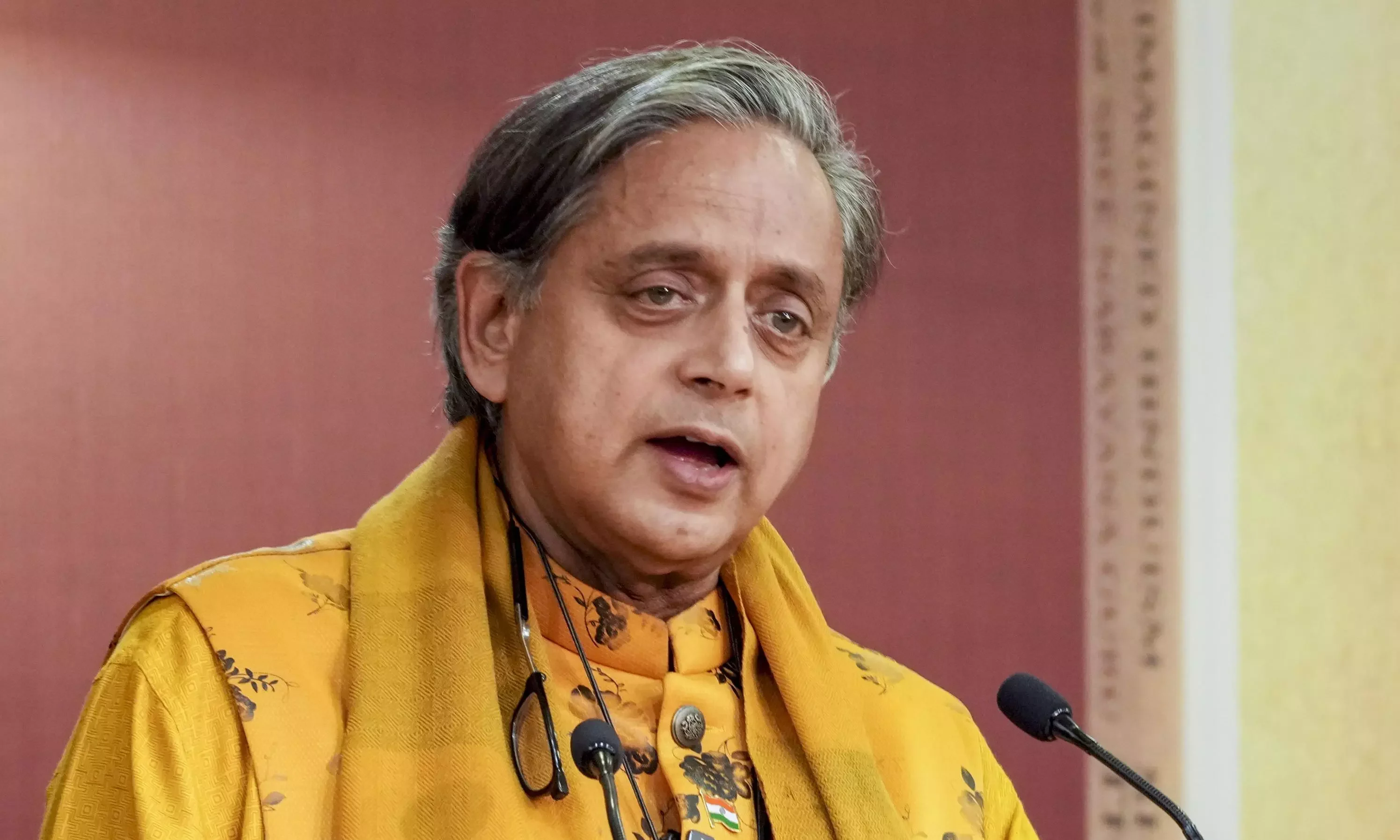
Tharoor Calls Full Vande Mataram Rendition an "Unnecessary Imposition": What Is the Controversy and Why It Matters
A song that once rallied an entire nation against colonial rule is now at the centre of a political argument. And not just any argument — one that cuts straight to questions about compulsion, patriotism, and how a democracy handles its symbols.
Shashi Tharoor, Congress MP from Thiruvananthapuram and a member of the Congress Working Committee, sparked a fresh controversy on June 1, 2026, when he called the mandatory full rendition of Vande Mataram at official events an "unnecessary imposition" by the central government.
The reaction was swift.
What Exactly Did Tharoor Say About Vande Mataram?
Speaking to reporters in Thiruvananthapuram, Tharoor was careful to open with respect. "Vande Mataram is the national song, and we stand up in respect when it is sung. The first verse, or the first couple of verses, is something most people know by heart," he said.
His criticism was not about the song itself. It was about the new practice of playing all five verses once at the beginning of an event and once again at the end.
"Now they want all five verses to be sung at the beginning of every event and again at the end. I think that is an unnecessary imposition," he said.
He also noted there is no Parliament-passed law requiring this. "It may ultimately have to be adjudicated because there is no law passed by Parliament requiring this," Tharoor said.
The Background: Where Did This Directive Come From?
Vande Mataram is now mandatory in schools and at official government events across the country, following new guidelines issued by the Union Home Ministry on February 6. This came as part of the broader 150th anniversary celebrations of the national song, which the BJP has been marking with programmes nationwide.
The debate has emerged as the latest flashpoint between Congress and BJP in Kerala, with Tharoor labelling the practice "unnecessary and burdensome" for audiences.
The specific trigger appears to have been an event attended by Vice President C P Radhakrishnan in New Delhi, where Tharoor noted the full song had been played both at the beginning and end of the programme.
The Kerala Angle: State vs Centre
The controversy has a particular edge in Kerala. Tharoor noted that the Kerala state government had viewed the matter as optional. "The CM has taken the view that this is optional and Kerala has chosen not to have the full rendition," he said. The Governor, meanwhile, reportedly held a different view which sets up a potential constitutional standoff between the state government and the Raj Bhavan.
This is not just a symbolic dispute. It is a question about whether the Centre can direct state governments on the conduct of official events through an administrative circular rather than a parliamentary law.
How BJP Responded to Tharoor's Remarks
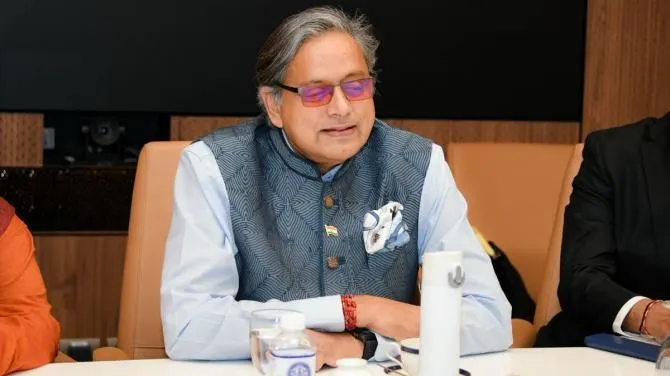
The BJP responded strongly. Amit Malviya said that singing Vande Mataram in full was not optional and could not be treated as a matter for individual states to decide.
This pushback fits a pattern. The Vande Mataram compulsory singing debate has surfaced repeatedly in Indian politics from Maharashtra legislative assembly disputes to Parliament's winter session in December 2025, where Prime Minister Narendra Modi initiated a special discussion on the song's 150th anniversary.
BJP has consistently framed any opposition to the full rendition as a Congress tendency to "appease" those uncomfortable with expressions of national pride.
What the Law Actually Says
Here is where it gets genuinely interesting. Vande Mataram is India's national song — distinct from the national anthem, which is Jana Gana Mana. The national anthem has a specific law the Prevention of Insults to National Honour Act, 1971 that governs its use and mandates respect. No equivalent parliamentary legislation exists for Vande Mataram. Its singing at events has historically been guided by convention and administrative instructions, not statutory law.
Tharoor's point, legally speaking, has some ground to stand on.
Closing Thoughts
Nobody in this debate is arguing that Vande Mataram should not be sung. That is not the question. The question is whether compulsion — through an administrative directive rather than a law — is the right way to handle a national symbol. Patriotism expressed under obligation has a different quality from patriotism that arises naturally. That distinction is worth thinking about, regardless of which side of this debate you find yourself on.
Disclaimer: This article is based on information available across the web. Parchar Manch does not take responsibility for its complete accuracy, as the content could not be fully verified.
FAQs
What did Tharoor say about Vande Mataram?
He said he respects the national song but called the new directive to play all five verses at both the start and end of official events an "unnecessary imposition" with no backing from Parliament-passed law.
What is the new Vande Mataram directive?
The Union Home Ministry issued guidelines in February 2026 making the full rendition of Vande Mataram mandatory in schools and at official government events across India.
What is the difference between national anthem and national song?
Jana Gana Mana is India's national anthem, protected by law. Vande Mataram is the national song — respected but not governed by the same statutory framework.
What is the Kerala government's position?
The Kerala CM has taken the view that singing the full version is optional, putting the state in disagreement with the Union Home Ministry's directive.
What is the Kerala government's position?
The Kerala CM has taken the view that singing the full version is optional, putting the state in disagreement with the Union Home Ministry's directive.
Has this controversy happened before?
Yes. Disputes over compulsory singing of Vande Mataram have surfaced repeatedly — from Maharashtra's legislature to Parliament's winter session debates in 2025.