PM Modi Eats This One Superfood 300 Days a Year — Here's Why Makhana Deserves a Spot in Your Diet Too
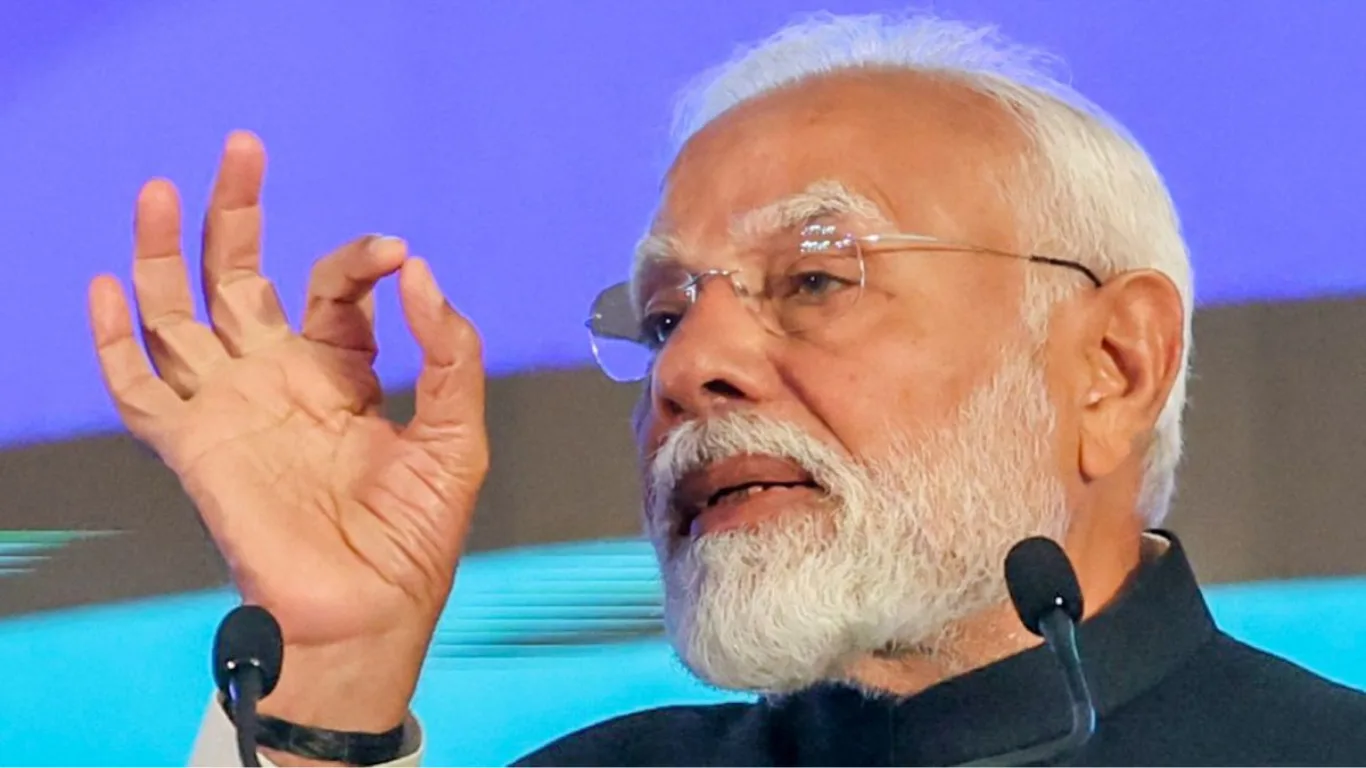
Makhana, a humble popped seed from Bihar's wetlands, is suddenly everywhere on health reels, in Budget speeches, and now, in the Prime Minister's own words. At a public rally in Bhagalpur, Bihar, PM Narendra Modi revealed that he eats fox nuts at least 300 out of 365 days a year. That is not a casual endorsement. That is a daily habit. And when someone who leads an entire country maintains that kind of discipline around a single food, it quietly demands attention.
Why Makhana Is No Longer Just a Fasting Snack
For decades, makhana sat quietly in Indian kitchens, mostly eaten during Navratri or ekadashi fasts. It was the thing your grandmother stirred into a kheer on special occasions. Nobody called it a superfood. Nobody put it on the global map.
Then Budget 2025 happened. Finance Minister Nirmala Sitharaman announced a dedicated Makhana Board in Bihar to boost production, processing, and export. Within weeks, PM Modi himself championed it at a public event. Suddenly, this ancient seed was not just a cultural staple but a serious nutritional and economic asset.
Around 80% of India's makhana supply comes from Bihar alone. And with global demand growing, the country is sitting on something genuinely valuable both economically and nutritionally.
What Exactly Is Makhana?
Makhana, also called fox nuts, gorgon nuts, or lotus seeds, comes from the Euryale ferox plant an aquatic species that grows in still water bodies like ponds and marshes. It is not, technically, a nut. It is a seed, harvested by hand, sun-dried, and then dry-roasted or popped under high heat until it becomes the light, airy puff you recognise.
It has a mild, slightly earthy taste. It absorbs flavours easily. And that versatility is part of why it has lasted centuries in Indian cooking.
One important clarification worth making: makhana is sometimes labelled as "lotus seeds" in international markets. Technically, it comes from a different plant than the lotus. Just useful to know when you are shopping.
The Nutritional Profile That Earns the "Superfood" Label
Per 100 grams, makhana nutrition looks like this: approximately 350 calories, 9.7 grams of protein, 77 grams of complex carbohydrates, and just 0.1 grams of fat. It is also naturally low in sodium and cholesterol.
What makes it stand out is what else it brings to the table. Makhana benefits include:
- Antioxidants like kaempferol, quercetin, and flavonoids that fight oxidative stress and reduce inflammation
- Calcium and magnesium for bone strength and muscle function
- Potassium for heart health and blood pressure regulation
- High fibre for digestion and a slower sugar release into the bloodstream
- A low glycaemic index, making it genuinely useful for those managing blood sugar or diabetes
Nutritionists note that the protein in makhana contains all essential amino acids, including methionine and lysine a rarity in plant foods. For vegetarians, this is a meaningful advantage.
6 Ways You Can Actually Eat Makhana Every Day
The best part about eating makhana daily is how easy it is. It does not require complex recipes.
Ghee-roasted makhana: Heat ghee in a pan, toss the seeds on low heat until crisp, and season with rock salt and pepper. Done in under ten minutes. This is the most common form and the most satisfying.
Makhana kheer: Replace rice with makhana in a traditional kheer. It cooks faster, absorbs the milk beautifully, and is lighter on the stomach.
Makhana in salads: Add roasted fox nuts to any salad for crunch. They work especially well with cucumber-tomato-lemon combinations.
Trail mix: Combine roasted makhana with almonds, pumpkin seeds, and raisins for a portable snack that keeps well for days.
Smoothie add-in: Blend soaked makhana into smoothies for a creamy, protein-boosting texture without a strong flavour.
Makhana curry: Yes, it works in gravies. Add roasted makhana to spinach-based or tomato-based curries in the last five minutes of cooking to keep their texture.
Read More: Trump's "Mandatory" Demand: Why Saudi Arabia and Qatar Must Now Choose Between Iran and Israel
Mistakes People Make With Makhana
The most common one is eating too much of it. It feels light, almost guilt-free, so people overdo it. Dietitians recommend not exceeding 30 grams daily. Beyond that, the high fibre content can cause bloating, gas, or digestive discomfort.
Another mistake is buying heavily salted or flavoured packaged versions and assuming they carry the same benefits. Commercial makhana snacks often contain excess sodium, artificial flavours, and palm oil. The nutritional profile shifts significantly. Plain roasted makhana, made at home, is always the better choice.
Pro Tips Worth Knowing
Store makhana in an airtight container at room temperature. It stays fresh for weeks and does not need refrigeration. If it loses its crunch, a quick dry roast in a pan on low heat brings it right back.
If you are trying it for the first time, start with the ghee-roasted version. The fat from the ghee actually helps your body absorb the fat-soluble nutrients in the seed more effectively.
For children and the elderly, makhana kheer is an excellent option it is easy to digest, rich in calcium, and naturally sweet when made with dates or jaggery instead of refined sugar.
Closing Thoughts
There is something quietly satisfying about a traditional Indian food getting the recognition it always deserved. Makhana was never a trend. It was always there in grandmother's kitchen, on temple offerings, in the hands of Bihar's farmers at dawn. What changed is that the world is finally paying attention.
PM Modi eating it 300 days a year is not the reason to try it. The nutrition is. But the story makes it easier to remember. And sometimes, that is enough to get started.
Read More:Pope Leo XIV's "Magnifica Humanitas": The Church's Bold Stand Against AI Dehumanization
Disclaimer: This article is based on information available across the web. Parchar Manch does not take responsibility for its complete accuracy, as the content could not be fully verified.
FAQs
How much makhana should I eat in a day?
Nutritionists suggest 20 to 30 grams per day as a safe, beneficial amount. This is roughly a small bowlful. Exceeding this regularly can cause digestive issues due to the high fibre content.
Is makhana good for weight loss?
Yes. Makhana is low in fat, high in protein and fibre, and keeps you full longer. It is a far better snack than chips or biscuits and works well as part of a calorie-conscious diet.
Can people with diabetes eat makhana?
Makhana has a low glycaemic index, meaning it does not cause sharp blood sugar spikes. It also contains fibre that slows glucose absorption. It is generally considered a safe and beneficial snack for diabetics, but portion size still matters.
What is the best way to eat makhana for maximum benefit?
Dry-roasted or ghee-roasted plain makhana is the healthiest option. Avoid packaged versions with heavy seasoning or added oils.
Where does India's makhana come from?
Around 80% of India's makhana production is concentrated in Bihar, particularly in districts like Darbhanga, Madhubani, and Purnea. In 2022, "Mithila Makhana" received a Geographical Indication (GI) tag from the Indian government.
Is makhana the same as lotus seeds?
Not exactly. Makhana comes from the Euryale ferox plant, while true lotus seeds come from Nelumbo nucifera. They are different species with different nutritional profiles, though both are edible and healthy.