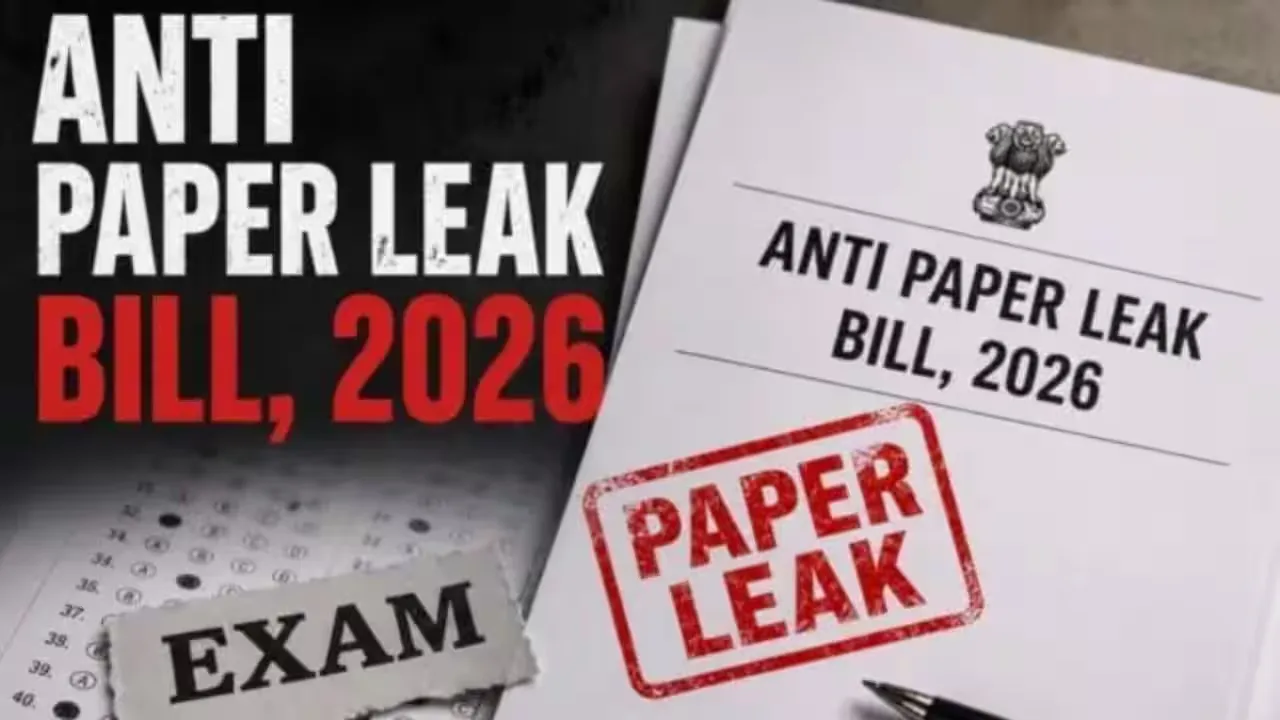
The Anti-Paper Leak Bill 2026: Why the Government's New Move in Lok Sabha Could Finally Change India's Exam Culture
There's a certain kind of anger that builds up slowly, then all at once. That's what happened this Monday in Parliament. While students across the country were still processing the fallout of yet another exam scandal, the government quietly tabled something that's been a long time coming, the Anti-Paper Leak Bill 2026. And within minutes, the Lok Sabha was in chaos. Not because of the bill itself, but because of everything around it.
Let's slow down and actually understand what happened, and why it matters more than the headlines suggest.
Why This Actually Matters
If you've ever prepared for a competitive exam in India, you already know the fear. Not the fear of the syllabus. The fear that somewhere, someone already has the paper. That fear isn't imaginary anymore. It's real, documented, and it's cost lakhs of students their time, money, and honestly, their trust.
The Public Examinations Amendment Bill 2026 was introduced in the Lok Sabha on July 27, right in the middle of the Monsoon Session, by Union Minister Dr. Jitendra Singh. It amends the older Public Examinations (Prevention of Unfair Means) Act, 2024, a law that came in after the NEET paper leak controversy shook public confidence. Two years later, apparently, the old law wasn't enough. That in itself tells you something.
What It Really Is (Explained the Simple Way)
Think of it like this. The 2024 law was the first lock on the door. It said cheating in exams, especially organised cheating, is a crime, and here's the punishment. Three to five years in jail for individuals, five to ten years for people running organised rackets, with a fine starting at Rs 1 crore.
The new exam paper leak law basically says that lock wasn't strong enough. So now there's a second, heavier lock. Under the amendment, punishment can go up to 10 years in prison. The financial penalty has been proposed at up to Rs 10 crore in some reports, though other coverage puts the immediate fine closer to Rs 50 lakh, depending on the specific offence category. There's also a push for asset confiscation for those found guilty. This isn't just about punishing individuals anymore, it's targeting the entire ecosystem, the printers, the transporters, the insiders.
How the New Bill Actually Works, Step by Step
Here's where it gets genuinely useful to know:
- Investigations into paper leak cases must now be completed within 60 days (some reports say two months, which is roughly the same window). That's a huge shift from cases that used to drag on for years.
- Special Fast Track Courts will be set up specifically for these cases. Daily hearings, no long adjournments.
- Trials must conclude within three months of the chargesheet being filed. That's fast, by Indian judicial standards.
- States will appoint Special Public Prosecutors just for exam fraud cases, so prosecution doesn't get lost in the usual backlog.
- Institutions and private service providers hired to conduct exams will now be held directly accountable, not just the individuals who physically leaked the paper.
It's a layered system. Catch it fast, try it fast, punish it hard.
Real-World Examples That Make This Click
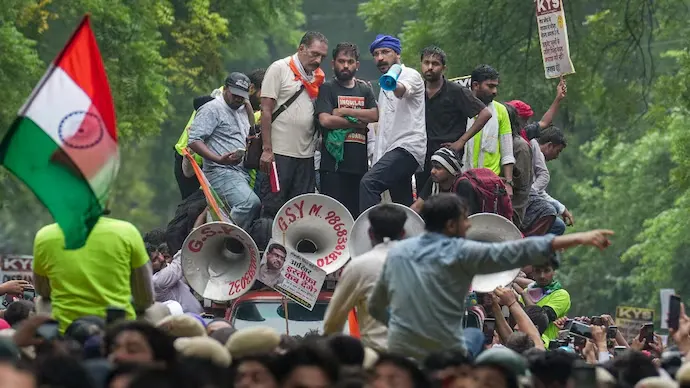
Remember the NEET-UG paper leak? That single event triggered a wave of protests that lasted over a month, and it's directly why this amendment exists. Students marched, some were injured during police action, and it eventually led to the resignation of the then Education Minister. That's not a small ripple. That's a government being forced to respond to public pressure, and this bill is that response, tightened and hardened.
Under the older 2024 Act, agencies like UPSC, SSC, Railway Recruitment Boards, IBPS, and the NTA were already covered. The new amendment doesn't expand who's covered so much as it sharpens what happens after someone gets caught.
Mistakes People Keep Making, and Why
A lot of people assume a stricter law automatically means fewer leaks. That's not quite right, or at least, it's not the whole picture. Laws punish after the fact. Prevention is a separate battle involving printing security, digital encryption of question papers, and honestly, human integrity at every checkpoint. One quote from the parliamentary discussion stuck with me, a member pointed out that leaks can happen where the paper is drafted, where it's printed, or at any other critical stage, and no law alone fixes that.
The other mistake? Assuming this is purely a student issue. It isn't. Institutions, coaching centres, and even minor administrative staff have historically been part of leak networks. The bill's real strength is that it finally treats this as a systemic problem, not just an individual crime.
Pro Tips Worth Knowing
If you're a student or a parent trying to make sense of this, here's what actually matters practically. Exam bodies will likely face stricter audits going forward, so transparency reports and public disclosures around exam security may become more common. Watch for how states appoint their Special Public Prosecutors, because implementation speed will decide whether this law has teeth or stays on paper. And if you're ever a whistleblower or witness to malpractice, faster investigation timelines under this bill mean your information carries more weight, and gets acted on sooner.
Closing Thoughts
There's something quietly hopeful about a law being born out of protest. It means people were heard, even if the process to get there was messy, and honestly, it was messy. The Lok Sabha itself was adjourned amid opposition uproar the same day this bill was introduced. That tension, between reform and unresolved anger over how protesting students were treated, isn't going away just because a bill got tabled. The real test of the Anti-Paper Leak Bill 2026 won't be in Parliament. It'll be in the next exam season, when students sit down, papers in front of them, and for the first time in years, maybe don't have to wonder.
FAQs
What is the Anti-Paper Leak Bill 2026?
It's an amendment to the Public Examinations (Prevention of Unfair Means) Act, 2024, introduced in the Lok Sabha on July 27, 2026, proposing stricter punishment, faster investigations, and dedicated fast track courts for exam paper leak cases.
Who introduced the bill?
Union Minister Dr. Jitendra Singh introduced it in the Lok Sabha during the Monsoon Session of Parliament.
What is the maximum punishment under the new bill?
Reports indicate imprisonment of up to 10 years, along with financial penalties and possible asset confiscation for those found guilty of organised exam malpractice.
Which exams does this law cover?
It applies to public examinations conducted by central agencies including UPSC, SSC, Railway Recruitment Boards, IBPS, and the NTA.
Has the bill been passed yet?
As of its introduction on July 27, 2026, the bill was tabled in the Lok Sabha amid opposition protests, with further debate and passage expected to follow.