The Strait That Held the World Hostage: What the US-Iran Hormuz Deal Really Means
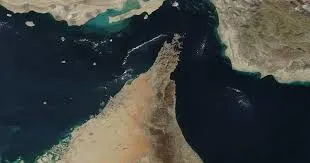
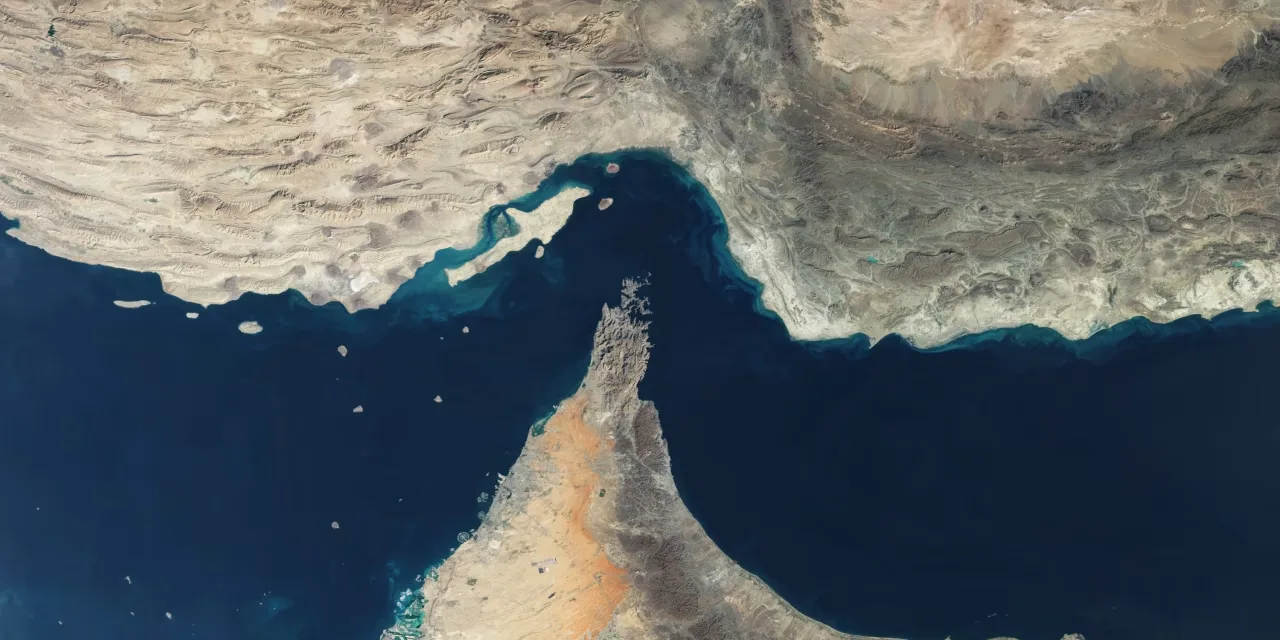
There is a narrow stretch of water barely 33 kilometres wide at its tightest point that quietly controls how much you pay for fuel, how much goods cost to ship, and how stable the global economy feels on any given morning. The Strait of Hormuz. And for months in 2026, it was shut.
Now, the United States and Iran say they have a deal to reopen it. President Trump announced the agreement on June 14, 2026, posting on Truth Social: "The Deal with the Islamic Republic of Iran is now complete." What followed was equal parts diplomatic breakthrough and open-ended uncertainty. This article breaks it all down.
Why the Strait of Hormuz Matters More Than Most People Realise
Nearly 20% of the world's oil passes through the Strait of Hormuz. Think about that. Every fifth barrel of crude oil on the planet goes through this single passage between Iran and Oman before reaching the global market. When Iran effectively closed it after the conflict began on February 28, 2026, oil prices spiked, shipping companies scrambled, and energy markets around the world felt the pressure almost immediately.
Iran went further. Reports indicated that mines were laid in the strait, tolls were charged on vessels attempting transit, and most commercial traffic ground to a halt. The US naval blockade of Iranian ports, imposed in April 2026, only deepened the economic standoff. This was not just a regional conflict. It was a global economic crisis playing out through one choke point.
What Actually Happened: The Deal Explained Simply
On June 14 and 15, 2026, the US and Iran reached an initial memorandum of understanding (MOU). Think of this as a detailed handshake agreement — not the final contract, but a serious, signed commitment to stop fighting and start talking.
The key points, based on what has been made public:
The ceasefire is extended for 60 days. During this window, both sides are expected to negotiate a permanent end to the war. The Strait of Hormuz is to be reopened to all international shipping, toll-free. President Trump and Vice President JD Vance both digitally signed the MOU. A formal signing ceremony is expected in Geneva, Switzerland on Friday, June 20.
Importantly, the deal also covers the Lebanon ceasefire. Iran made ending the fighting between Israel and Hezbollah a condition for any agreement. This adds a complicated layer more on that shortly.
Read More: YRF Spy Universe Just Changed Forever: Inside the Alpha Film Teaser with Alia Bhatt and Bobby Deol
The Nuclear Question: Still Unresolved
Here is where it gets complicated. The deal does not resolve Iran's nuclear program. Senior US officials acknowledged that nuclear negotiations are the next major phase, and that those talks will carry their own enormous weight. Critics across the political spectrum have noted this omission. A deal that ends immediate fighting but leaves the nuclear question open is, at best, an important first step.
The Washington Post reported that the deal is "silent on nuclear weapons." The Economist described it as "only the beginning of the end." These are not small caveats.
The Israel Complication
Even as the US and Iran signed digitally, Israel issued its own statement. Israeli Defense Minister Israel Katz said Israeli forces would remain in southern Lebanon "indefinitely." An Israeli strike on Lebanon occurred on the same Sunday the deal was being finalised. Trump criticised the strike. Netanyahu reportedly acknowledged a growing rift with the US President.
Iran had made a Lebanon ceasefire a condition for the deal. Israel's continued operations there create a real tension in the days ahead. The formal signing on Friday will take place in this uneasy atmosphere.
Read More: The Hidden Walking Rule Nobody Knew Existed: Why Humans Naturally Turn Counterclockwise
What This Means for Oil, Shipping, and Your Wallet
The reopening of the Strait of Hormuz is expected to ease global oil supply disruptions almost immediately, though mine removal operations mean full traffic will not resume overnight. UK Prime Minister Keir Starmer directly called for the reopening to "stabilise energy markets." French President Macron praised the deal and called for swift implementation.
For anyone watching crude oil prices, fuel costs, or global trade routes, this agreement matters. The question is not whether it will have an impact it will but how durable that impact proves to be over the next 60 days of negotiation.
What Remains Unclear
The full text of the MOU has not been publicly released, which has drawn bipartisan criticism in the US. Iran's claim that roughly $25 billion in frozen assets had already been released was disputed by a senior US official on the same day it was made. Iran's President Masoud Pezeshkian called the deal "an important step" while also noting that "a final agreement has yet to take shape."
Both Iran and the US appear to be speaking to two different audiences simultaneously. That is not unusual in diplomacy. It is, however, a reason to watch closely.
Read More: Ebola Is Back and Spreading Fast: Everything You Need to Know About the 2026 Outbreak
Disclaimer: This article is based on information available across the web. Parchar Manch does not take responsibility for its complete accuracy, as the content could not be fully verified.
FAQs
What is the Strait of Hormuz and why does it matter?
It is a narrow waterway between Iran and Oman through which roughly 20% of the world's oil supply flows. Closing it disrupts global energy markets and shipping immediately.
What exactly did the US and Iran agree to?
A 60-day memorandum of understanding that extends the ceasefire, opens the Strait of Hormuz to toll-free shipping, and sets the stage for further nuclear negotiations. Trump and Vance signed digitally; a formal ceremony is expected in Geneva on June 20, 2026.
Does this deal resolve Iran's nuclear program?
No. Nuclear negotiations are described as the next phase. The current deal does not address Iran's enrichment activities or weapons capabilities — these remain subjects for future talks.
How does Israel factor into all of this?
Iran required a Lebanon ceasefire as a condition of the deal. Israel has stated it will keep troops in southern Lebanon indefinitely, which creates tension with the agreement's terms and with the US itself.
When will oil shipping through the Strait actually resume?
Trump indicated the strait will open "upon the signing of the deal on Friday," but mine removal operations mean full commercial traffic will take some additional time to restore safely.