Three Indians Injured in Iran's Drone Strike on UAE: What Every Indian Worker Abroad Must Know About Their Legal Rights
There was a moment somewhere around 12 noon on Monday when phones across India started lighting up with messages from family members in the UAE. "Are you okay?" "Are you near Fujairah?" "What is happening there?"
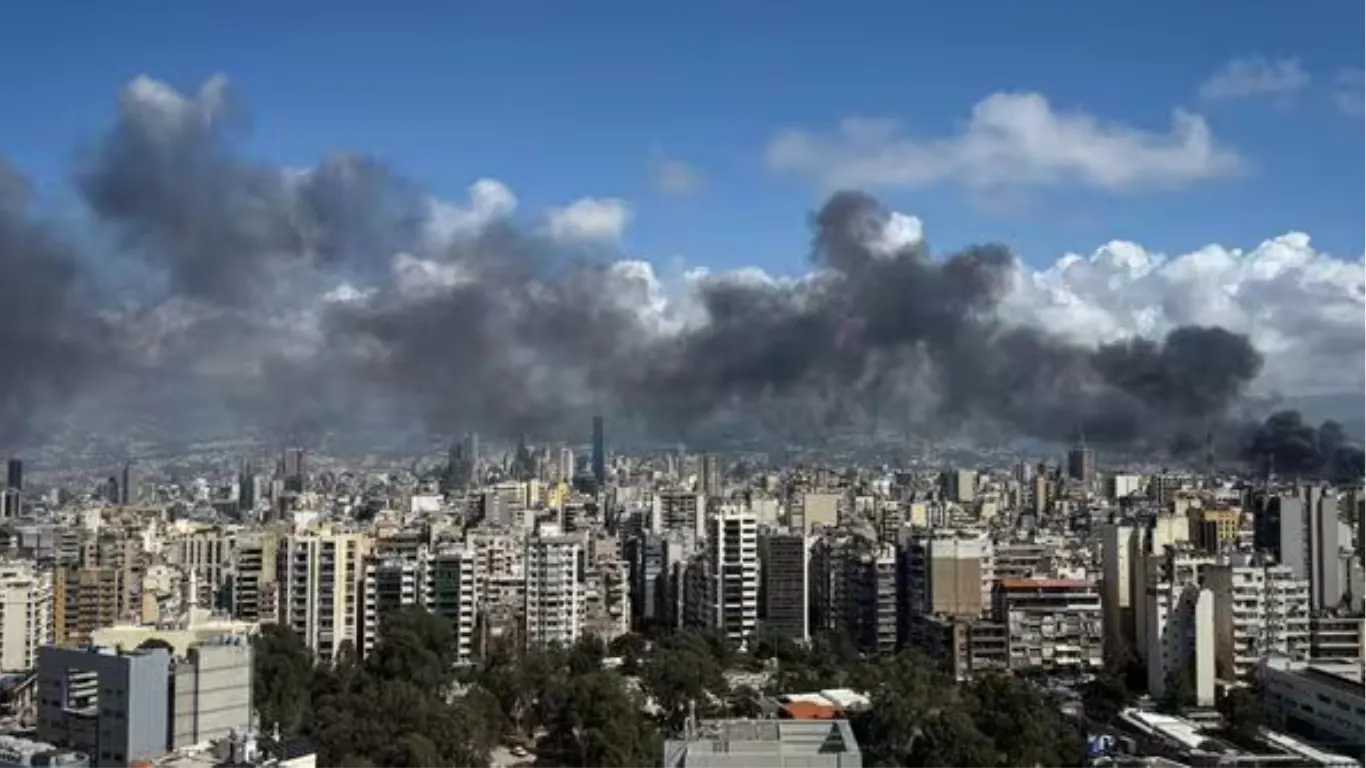
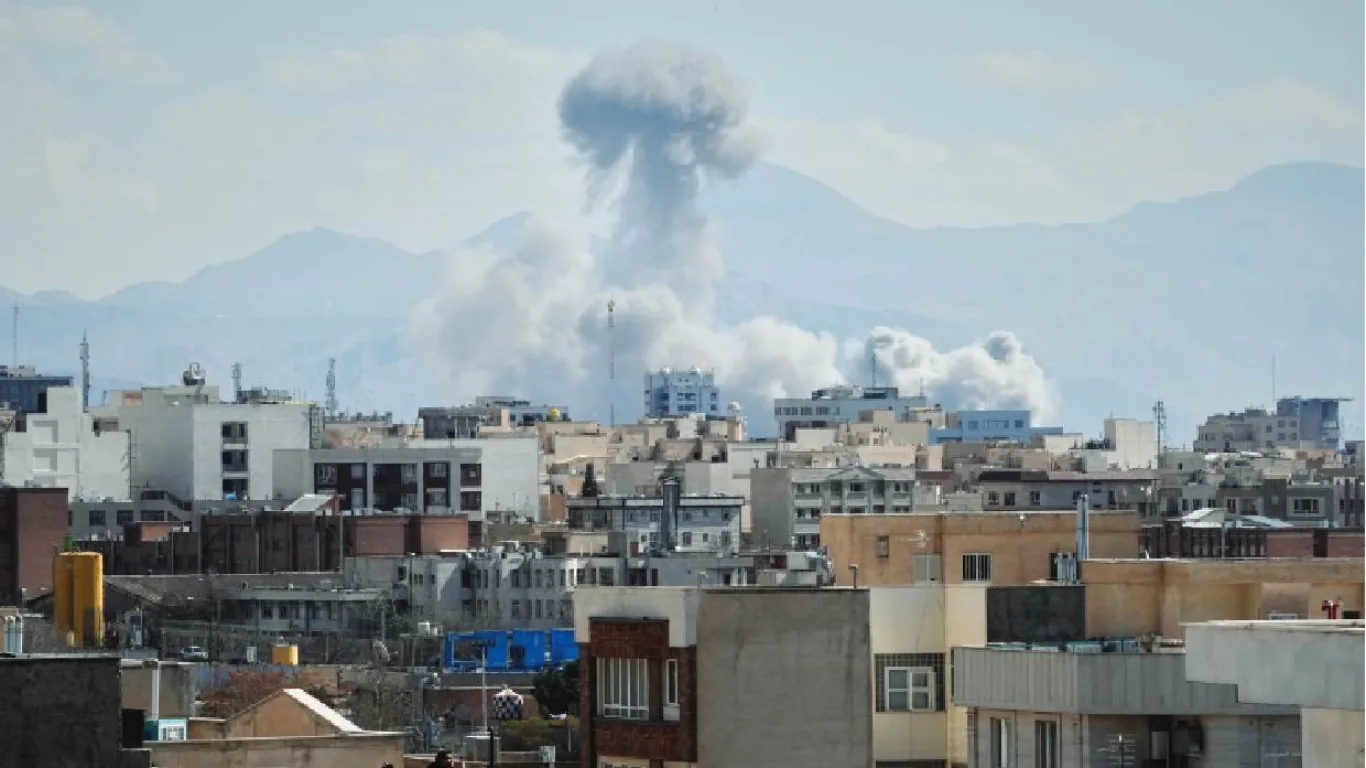
Iranian missiles and drones struck the UAE, setting an oil refinery ablaze in the eastern emirate of Fujairah and wounding three Indian nationals. This was not background noise from a faraway conflict. These were Indian citizens, working ordinary jobs, caught in an extraordinary act of aggression.
The Indian Embassy in the UAE confirmed that three Indian nationals sustained injuries during the attacks in Fujairah, with officials coordinating with local agencies to ensure the injured received adequate medical care and welfare.
India's government condemned the strikes swiftly. Prime Minister Narendra Modi stated that targeting civilians and infrastructure is unacceptable, reiterating India's support for peaceful resolution through dialogue and diplomacy.
But diplomatic condemnations, however strong, do not pay hospital bills. They do not tell a family in Uttar Pradesh, Kerala or Tamil Nadu what their injured son or husband is legally entitled to. They do not explain who is responsible, who pays compensation, or what steps to take right now.
That is what this article is for.
Why This Crisis Raises Urgent Legal Questions for 90 Lakh Indians in the UAE
Approximately 9 million Indians are living and working in the UAE. They are the single largest expatriate community in the country. They work in oil fields, construction sites, warehouses, ports, and industrial zones , many of them in exactly the kind of facilities that have been targeted since Iran began its strikes on February 28, 2026.
Since the conflict began, the UAE has intercepted and dealt with hundreds of ballistic missiles and thousands of drone attacks. The attacks have killed 13 people and injured 224 others, ranging from minor to severe cases.
Not all of those 224 injured were Indian. But a significant number were. And every single one of them , or their families back home , is sitting with a question that no news channel is clearly answering: What are my legal rights? Who pays? What do I do?
A legal advisor near you , one who understands international labour law, overseas worker rights, and compensation claims , can begin to answer those questions. But first, you need to understand what the law actually says.
What Indian Workers Injured Abroad Are Legally Entitled To
This is the part that most people do not know, and most coverage does not explain.
UAE Labour Law Compensation: Federal Decree-Law No. 33 of 2021 on the Regulation of Labour Relations creates a strict liability regime for statutory compensation that applies regardless of fault. The UAE Civil Code opens a second track, allowing the injured worker , or their family , to pursue tort-based damages for pain and suffering, loss of earning capacity, and other losses that statutory compensation does not cover.
Read More: India's Forex Reserves Jump By Over $2 Billion To $703.3 Billion Amid Iran War , What This Means For You
In plain language: even if an Iranian drone caused the injury, the employer's liability under UAE law does not automatically disappear. The employer's workers' compensation insurance is the first stop. And that insurance has specific, quantifiable obligations.
Work-related death compensation under UAE law is limited to 24 months' wages, with a minimum of AED 18,000 and a maximum of AED 35,000. Permanent total disability , such as loss of both arms, loss of eyes, or complete paralysis , carries compensation equal to the death benefit amount. Permanent partial disability is compensated as a percentage of the death benefit, depending on the injury.
The Critical Gap Most Workers Miss: Standard workers' compensation policies cover the employer's statutory liability under the labour law. They do not automatically cover civil tort claims for negligence. Employers should confirm whether their policy includes an employer's liability extension, which responds to civil claims above the statutory compensation amounts.
Many Indian workers , and their families , never pursue the civil track. They accept the statutory payment, which is often far lower than what they could have received if properly advised. This is the gap where a skilled labour law advisor makes a measurable difference.
India's Own Protections: The Emigration Act, 1983, and the policies of the Ministry of External Affairs govern how Indian workers are recruited for overseas employment. Employers who recruit Indian workers under the ECR (Emigration Check Required) category are legally required to ensure certain minimum protections. When those protections fail , when a worker ends up in a conflict zone without adequate insurance or evacuation support , there are legal avenues to pursue, including complaints to the Protector of Emigrants and Ministry of External Affairs grievance channels.
Read More: Russia Launches Progress MS-34 Cargo Ship to the ISS, Delivering Over 2.5 Tonnes of Vital Supplies
The Consulate General of India in Dubai has facilitated insurance packages for blue-collar Indian workers covering both natural and accidental deaths, because most companies were found to insure employees only under health insurance and standard workmen's compensation, leaving natural deaths uncovered.
If your family member is injured or killed in the UAE and the employer claims the incident falls outside coverage , because it was an act of war, not a workplace accident , that is precisely the argument a legal advisor specialising in overseas worker rights is equipped to challenge.
Step-by-Step: What to Do Right Now If Your Family Member Is Affected
Step 1 , Confirm the facts. Contact the Indian Embassy in Abu Dhabi or the Consulate General in Dubai directly. They maintain emergency helplines during crisis situations and are currently coordinating welfare for injured nationals.
Step 2 , Document everything. Medical reports, hospital admission records, the employer's name and recruitment agency details, the employment contract, and any insurance documents the worker was given at the time of hiring. Photograph or scan everything.
Step 3 , Do not sign anything from the employer or insurance company without legal advice. This is the mistake that costs families hundreds of thousands of rupees. Employers, and their insurers, will sometimes offer fast settlements that sound generous , but are far below what the law actually entitles an injured worker to receive.
Step 4 , Contact a legal advisor in India who handles overseas worker matters. This is important. While UAE lawyers handle the local proceedings, an Indian legal advisor near you can explain your rights under Indian law, help you file complaints with Indian authorities, coordinate with overseas lawyers, and ensure the family's interests are protected from this side.
Step 5 , Check whether the recruitment was done through a licensed agency. If a worker was recruited through an unlicensed or fraudulent recruitment agent, there are additional legal remedies available in India, including compensation claims against the agent.
What Families Back in India Usually Get Wrong
The first and most costly mistake: waiting too long. Legal claims , both in the UAE and in India , have time limits. Workers' compensation claims under UAE law must be filed within a specific period after the incident. Waiting for the situation to "settle down" can forfeit those rights permanently.
The second: trusting the employer to do the right thing. Most employers in the UAE understand they must carry workers' compensation insurance. Fewer understand that insurance does not cap their total liability, and that MOHRE now has binding adjudication powers for claims up to AED 50,000. Employers are not always forthcoming about the full extent of a worker's entitlements. An independent legal advisor is.
The third: not knowing that war zone injuries may still be compensable. Many families assume that because the injury was caused by a missile or drone , not a factory accident , no one is legally responsible. That is not necessarily true. Whether the employer provided adequate safety protocols, whether evacuation procedures existed, whether the worker was knowingly stationed in a high-risk zone without proper insurance coverage , all of these are legally material questions.
Read More: UAE Quits OPEC Amid Iran War – Impact on Global Oil Markets & Prices
Pro Tips for Every Indian Family With Members Working Abroad Right Now
Keep a copy of the employment contract, work visa, and insurance documents accessible in India. Not just digitally , printed, in a folder, at home. Most families discover they have none of these when a crisis actually happens.
If your family member works in an industrial zone, an oil facility, or a port in the UAE, ask them to confirm , right now , that their employer has active workers' compensation insurance and that the policy covers war-related incidents or has an employer liability extension.
A single serious injury claim in the UAE can run to AED 200,000 to AED 1,000,000 or more, including compensation, medical costs, and productivity loss. This is money a family is legally entitled to pursue. Not knowing how to pursue it is the only thing standing between the family and that entitlement.
Find a legal advisor near you who has handled NRI or overseas worker cases. They exist in every major city and in most district towns. A legal directory , like this one , lists them by location and specialisation. Finding the right person costs nothing. The absence of the right person can cost everything.
A Quiet Observation to Close With
Three Indian workers are recovering from injuries in a hospital in Fujairah today. Their families are somewhere in India, frightened, trying to understand what happened and what comes next. The news cycle will move on from their story within days , as it always does.
But the legal process does not move on. It waits, with its deadlines and its documentation requirements and its windows that close. The families who navigate it well , who get proper advice early, who understand their rights, who do not sign away their entitlements in a moment of relief , are the ones who come out on the other side with something to show for the ordeal.
That navigation starts with a single step: finding the right legal advisor near you, today.
Disclaimer: This article is based on information available across the web. Parchar Manch does not take responsibility for its complete accuracy, as the content could not be fully verified.
Read More: WhatsApp Ending Support for Older Android Phones in September 2026: Is Your Device on the List?
FAQs
Can an Indian worker injured in a war zone abroad still claim compensation from their employer?
Yes, in most cases. UAE labour law imposes strict liability on employers regardless of the cause of the injury. Whether the employer's insurance covers war-related incidents depends on the specific policy , which is why independent legal advice before signing anything is critical.
What should a family in India do immediately if their relative is injured in the UAE?
Contact the Indian Embassy in Abu Dhabi or the Consulate General in Dubai for welfare coordination. Simultaneously, gather all employment and insurance documents and consult an overseas worker legal advisor near you before any settlement is signed.
Does UAE workers' compensation cover all types of injuries, including those caused by external attacks?
Standard workers' compensation covers work-related injuries. Whether an attack on a workplace qualifies, and whether civil tort claims apply alongside statutory compensation, depends on the specific circumstances , a UAE lawyer and an Indian legal advisor working in coordination can give a complete picture.
What is the Indian government doing to protect Indian workers in the UAE?
The Indian Embassy is coordinating medical care for the injured. The Ministry of External Affairs has condemned the attacks and called for an immediate ceasefire. The Consulate General of India in Dubai has also previously facilitated insurance packages for Indian blue-collar workers covering accidental deaths.
How do I find a legal advisor near me who specialises in overseas worker and NRI cases?
Use a verified legal directory , this website lists advocates by city, district, and specialisation. Search for "NRI legal advisor," "overseas worker rights lawyer," or "labour law advisor" in your location.