Trump and Xi in Beijing: What the Summit on Trade, AI, and Iran Actually Means for the World
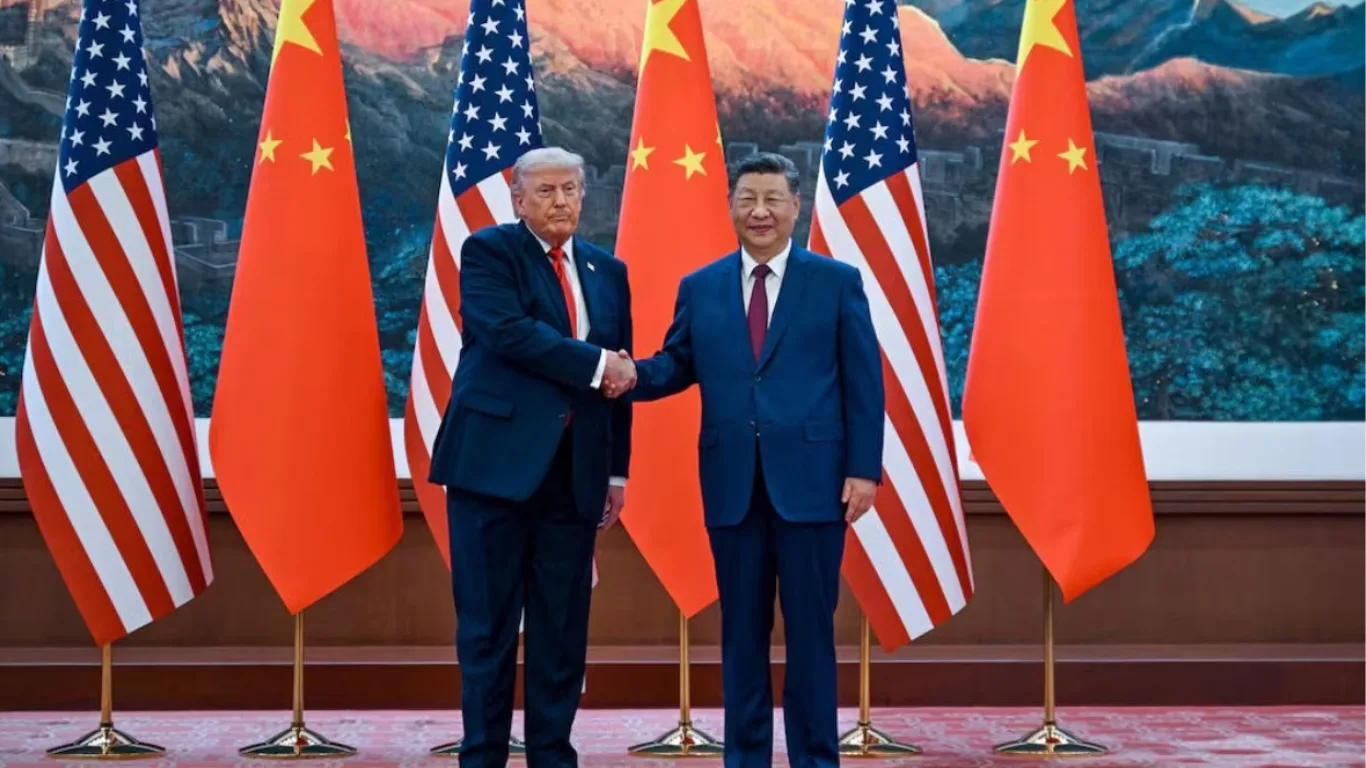
Two of the most powerful men on the planet sat across from each other in Beijing, and what they discussed over two days could quietly reshape global economics, technology, and geopolitics for the next decade. The Trump-Xi summit was not just a diplomatic photo opportunity. It was a high-stakes negotiation with the world watching, and almost everyone had something riding on the outcome.
Not just Americans. Not just Chinese citizens. Everyone.
Why the Trump-Xi Meeting Was More Urgent Than It Looked
Think about the last few years. The US-China trade war had already rattled supply chains, spiked prices on consumer goods, and put thousands of businesses in a state of quiet anxiety. Tariffs had piled up on both sides. Tech companies were caught between two governments pulling in opposite directions. And then there was the shadow of Taiwan, the Iranian nuclear question, and a global AI race that neither country was willing to concede.
This summit was the first time Donald Trump, as a sitting president, personally flew to China to meet Xi Jinping on his home turf. That itself says something. Diplomacy has its own body language, and visiting Beijing rather than meeting on neutral ground signals a certain openness to negotiation.
What Was Actually on the Table: Trade, Technology, and Iran
The headline topics at the Beijing summit were US-China trade deals, artificial intelligence cooperation, and Iran's nuclear program. Let us unpack each one properly.
On trade, Trump came out calling the deals reached "fantastic." He hailed what he described as strong ties and praised Xi as a friend. Xi, for his part, called the visit a "milestone" and said many cooperation agreements had been reached. China's foreign ministry noted that the two sides had reached a "series of new common understandings," though neither government released a detailed list of what was signed or agreed.
Read More: Hantavirus Outbreak on MV Hondius: What Really Happened on That Cruise Ship , And Why It Matters
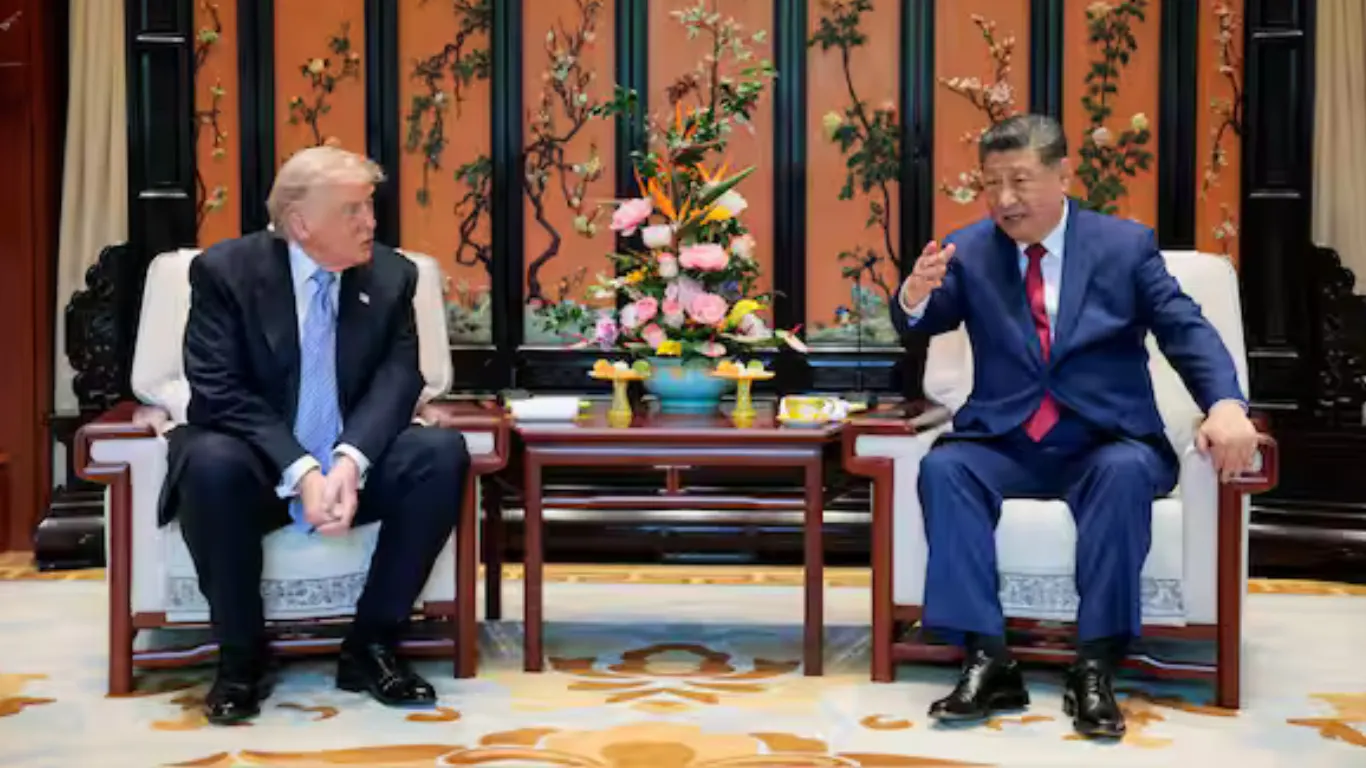
That ambiguity is worth noting. Big announcements were expected, and what emerged was more measured than many anticipated.
On artificial intelligence, the discussions reflected something both countries understand: neither can fully dominate the global AI landscape without the other's cooperation on some level, even while competing fiercely on another. The conversation around AI governance, technology transfer, and semiconductors sits at the heart of every economic and military calculation being made right now.
On Iran, Trump's visit to Beijing came against the backdrop of rising tensions in the Strait of Hormuz. World leaders, including those watching from the Gulf, were calling for stability. Iran's nuclear ambitions remain a flashpoint, and China, as Iran's largest trading partner, holds significant leverage. Whether meaningful progress was made on this front behind closed doors is still unclear.
Read More: Google's REPLIQA Program: How Quantum AI and Life Sciences Are About to Change Medicine Forever
The Thucydides Trap Warning Xi Threw Into the Room
During the summit, Xi invoked the concept of the Thucydides Trap. If that term is unfamiliar, here is the simplest version: it refers to the historical tendency for rising powers and established powers to drift toward conflict. Xi was essentially warning that the US and China must be deliberate about not falling into that pattern. It was a philosophical signal dressed in diplomatic language, and Trump's response to it reportedly surprised many observers.
Xi also warned Trump that mishandling the Taiwan question could lead to a dangerous place, even a potential conflict. That is not a new position from Beijing, but stating it directly in a bilateral summit adds weight.
What the CEOs Heard That the Rest of the World Missed
Trump brought a notable group of top American CEOs to Beijing, including Elon Musk and Apple's Tim Cook. Xi spoke to them directly, promising that "China's door will only open wider." That message was aimed at business leaders who have been quietly pulling back from Chinese market exposure out of regulatory and geopolitical caution. Whether a verbal promise without structural reform changes their calculus remains to be seen.
The BBC noted bluntly that few big deals actually emerged despite the high-profile delegation. That tells its own story.
Read More: BlackRock's Larry Fink Calls the AI Bubble Theory Dead Wrong — "We Have a Severe Shortage, Not a Surplus
The "Declining Nation" Moment That Became Viral
One unusually candid episode came when Xi reportedly told Trump that the US was a declining nation. Instead of pushing back, Trump agreed and turned it into a public post, redirecting the blame toward the Biden administration. It was a strange political move that sparked immediate debate about whether a sitting American president had just conceded ground on the global stage.
What Actually Changes After This Summit
Summits rarely produce overnight transformation. What they do is set a tone, open channels, and signal priorities. The Beijing meeting suggested that both governments see direct communication as preferable to escalating hostility. That alone has economic value. Markets tend to breathe easier when the two largest economies are talking rather than threatening.
The real test will be what follows in the weeks and months ahead. Whether tariff structures shift, whether technology restrictions ease, whether the Iran conversation moves from Beijing talking points to actual diplomatic action, those are the questions worth watching.
Disclaimer: This article is based on information available across the web. Parchar Manch does not take responsibility for its complete accuracy, as the content could not be fully verified.
FAQs
What were the main topics discussed at the Trump-Xi summit?
The primary topics were US-China trade deals, artificial intelligence, the Taiwan situation, and Iran's nuclear program. Both sides described the meetings as productive, though specific agreement details were not fully disclosed.
Did Trump and Xi sign any major trade agreements?
Trump described the deals as "fantastic," and China's foreign ministry confirmed several new mutual understandings, but a comprehensive formal trade deal was not announced. The BBC noted fewer concrete outcomes than expected.
Why did Xi bring up the Thucydides Trap?
Xi used the concept to caution against the two superpowers sleepwalking into conflict, a historical pattern where a rising power challenges an established one. It was a diplomatic warning about the risks of mismanaged competition.
What did Xi tell American business leaders like Elon Musk and Tim Cook?
Xi pledged that China would continue opening its market and promised that the country's door would "only open wider," seeking to reassure American corporations that had been reducing their Chinese exposure.
How does this summit affect India and the rest of Asia?
A stable US-China relationship reduces the risk of sudden supply chain disruptions, technology export crises, and regional military escalation. For India, any shift in the Taiwan or Iran calculus has direct regional implications.
Was anything resolved in Taiwan?
No formal resolution was reached, but Xi explicitly warned that mishandling Taiwan could lead to dangerous outcomes. Trump did not make any major public commitment on the issue.