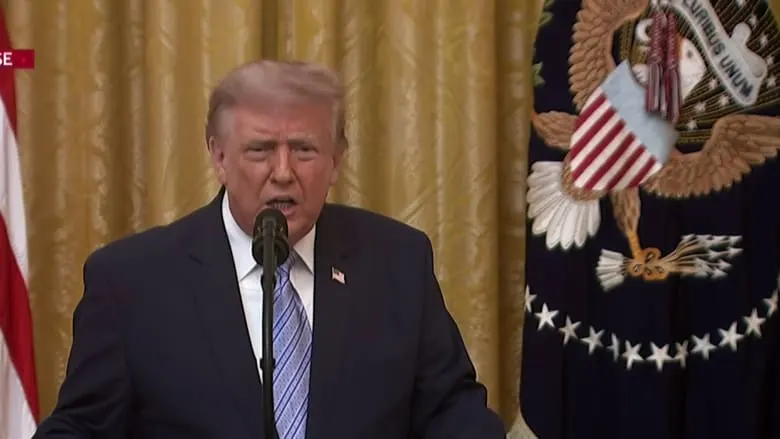
Trump Primetime Speech on Election Security Just Happened, Here Is What He Actually Said
Somewhere around 9 p.m. Eastern on a Thursday night in July 2026, millions of Americans turned on their televisions expecting a routine political update. What they got instead was a president standing at a podium, calling the state of the nation's voting systems catastrophically flawed. That is not a paraphrase for effect, that is close to the actual language used.
The Trump primetime speech election security address had been teased for days, with almost no details released beforehand. Karoline Leavitt, the White House press secretary, kept telling reporters to just watch it. Trump himself, days earlier in the Oval Office, said the news was going to be really big, the kind of thing that decides whether the country has free and fair elections at all. That is a strong claim to make before anyone even knows what is in the speech.
Why This Actually Matters to You
Here is the thing, even if you do not follow politics closely, a presidential primetime address about election security touches something that affects literally every voter. These addresses are historically reserved for major national moments, wars, economic crises, that sort of thing. So when one gets used for a claim about the voting system months before the 2026 midterms, it tends to shift the entire national conversation, whether the claims hold up or not.
And the timing is not incidental. Midterm elections are coming in November. Republicans control both chambers by thin margins. Trump's approval numbers have been sitting near the lows of his second term, and there is a stalled elections overhaul bill sitting in Congress that this speech was clearly meant to push forward.
What the Election Security Speech Really Is, Explained Simply
Think of it like this. Imagine someone tells you your front door lock is broken, shows you an old inspection report as proof, but the report was actually written years ago about a completely different building. That is roughly the shape of what happened here.
Trump's address centered on newly declassified documents, including a CIA memo, that he framed as evidence of foreign interference tied to the 2020 election.
The catch, and this matters, is that the declassified material largely restates vulnerabilities election officials have known about and worked to patch for years. One memo referenced during the speech had actually concluded, back in 2006, that Venezuela and the voting technology company Smartmatic lacked the capability to manipulate election outcomes outside Venezuela. That is a fairly significant detail to leave out of a speech about foreign interference.
How the Night Unfolded, Step by Step
- Trump began with sharp language, describing election security as falling short in dramatic terms.
- He referenced declassified intelligence documents, presenting them as new revelations about 2020.
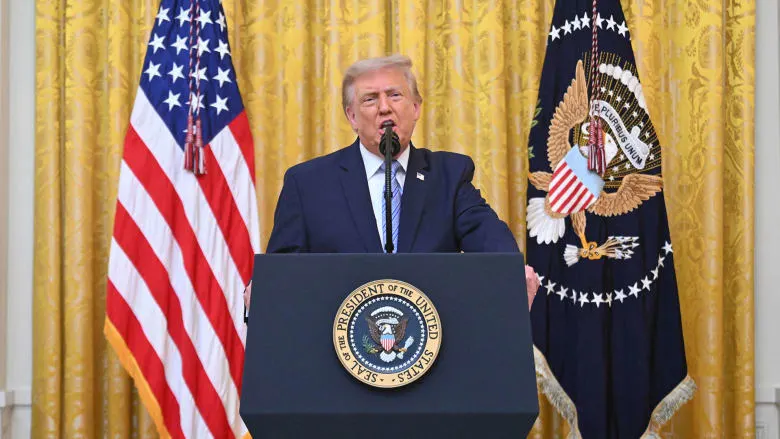
- The speech connected directly to his stalled federal elections legislation, sometimes referred to in coverage around the SAVE Act, effectively using the address to rally support for the bill.
- Democratic Senate Leader Chuck Schumer responded from the Senate floor almost immediately, arguing the speech was less about the past election and more about casting doubt on the 2026 midterms before a single vote is cast.
- Senators from both parties, including Chris Coons, later told reporters they heard very little in the speech that qualified as genuinely new information.
Real World Examples That Put This in Context
This is not the first time Trump has used a primetime address for something other than a breaking crisis. Earlier in his second term, he gave a genuine crisis briefing about military strikes on Iran. Later, in December, he used another primetime slot to blame Democrats for the difficult economic climate, a speech that had nothing urgent behind it either. The pattern is becoming familiar, a primetime slot used less for emergencies and more for message control at politically convenient moments.
His history with election fraud claims goes back even further than people often remember, all the way to 2016, when he would not commit to accepting a loss against Hillary Clinton. After winning that year, he set up a voter fraud commission that eventually disbanded without finding meaningful evidence. Four years later, after losing to Joe Biden, the same claims resurfaced and never really went away.
Mistakes People Keep Making When Reading These Speeches
A common mistake, and an understandable one, is assuming that declassified documents automatically mean fresh, damaging revelations. Declassification just means information that was previously restricted is now public. It does not mean the information is new, or that it proves what a speaker claims it proves.
Another mistake is treating the phrase election security as a single, fixed political idea. It gets used by both sides of the aisle, but often to describe entirely different concerns, foreign interference on one hand, voter access and suppression on the other.
Pro Tips for Following This Story Responsibly
Read past the headline claim and check the original documents when they are released publicly, rather than relying on how a speech framed them. Watch for how election officials, not politicians, respond to specific technical claims, since they are the ones actually running these systems day to day. And keep an eye on the legislative side of this, since the real practical impact will show up in whether Congress moves on federal elections overhaul bills, not in the speech itself.
Closing Thoughts
There is a strange rhythm to these moments now, a big buildup, a dramatic primetime slot, claims that sound urgent in the room but thin out once fact checkers get to work. Maybe that is just the era we are in. Either way, the Trump primetime speech election security address will likely be remembered less for what it revealed and more for what it set in motion heading toward November.
FAQs
When did Trump give his primetime speech on election security?
He delivered the address on Thursday, July 16, 2026, at 9 p.m. Eastern time from the White House.
What did Trump claim in the speech?
He argued that vulnerabilities exist in the American election system and pointed to newly declassified documents, including a CIA memo, as evidence tied to the 2020 election.
Was the declassified information actually new?
Largely no. Much of it restated known vulnerabilities that election officials have worked on for years, and one referenced memo dated back to 2006.
How did Democrats respond to the speech?
Senate leader Chuck Schumer criticized it on the Senate floor as an attempt to undermine confidence in the 2026 midterms rather than a genuine disclosure about 2020.
Is this connected to any pending legislation?
Yes, the speech is widely seen as an effort to build support for a stalled federal elections overhaul bill in Congress.
Does this affect the 2026 midterm elections directly?
Not through any immediate policy change, but it does shape the political narrative heading into November and could influence how election security legislation moves forward.