UAE Crude Oil Exports Pre-War Levels Restored Through Pipelines, Dark Tankers, and Sheer Grit
From 1.9 million barrels a day in March to nearly 4 million by June. Sit with that jump for a second, because it is not a small recovery, it is closer to a complete reversal of what looked like a genuine energy crisis just months earlier. No, actually, calling it just a recovery undersells it, some reports say the UAE is now shipping close to its highest monthly volume since 2017.
Here is the full story behind UAE crude oil exports pre-war levels, how the country pulled this off despite a blocked shipping chokepoint, and what it actually means for global oil markets.
Why This Actually Matters
Oil does not stay in one place, obviously, but people forget how tightly connected it all is until prices move. When war broke out on February 28, 2026, and the Strait of Hormuz effectively shut down, the ripple effects hit far beyond the Gulf, pushing prices up and rattling markets that rely on predictable Middle Eastern supply. The UAE's recovery matters because it directly influenced how quickly global oil prices settled back down, dropping to around $70 a barrel by early July, close to pre-conflict levels.
What It Really Is, Explained Simply
Picture the Strait of Hormuz as the single main highway out of a city, and suddenly that highway gets blocked. Most drivers would just sit in traffic. The UAE, instead, built detours, quite literally. It leaned on pipelines that physically avoid the strait, storage facilities to bridge supply gaps, and shipping tactics that kept tankers moving even when the main route was compromised. That combination is essentially how UAE oil exports climbed back to, and eventually past, their pre-war baseline.
Read More: NLC India OFS, Vodafone Idea Rally, Airtel Relief: Three Market Stories That Defined June 9, 2026
How the Recovery Actually Happened, Step by Step
- Before the war, UAE crude and condensate exports typically ran between 3.1 and 3.3 million barrels per day. By March, right after the conflict began, that had collapsed to just 1.9 million barrels per day.
- The Habshan-Fujairah pipeline, capable of carrying up to 1.8 million barrels per day, became critical, allowing crude to reach the Port of Fujairah on the UAE's east coast without ever passing through the Strait of Hormuz.
- The 42 million barrel Mandous underground storage facility near Fujairah acted as a buffer, letting the UAE draw down stored inventory to keep export volumes elevated even during the worst disruption.
- By early June, according to the International Energy Agency, exports had climbed to 4.3 million barrels per day, about 85 percent of prewar levels, even before a US-Iran interim peace agreement was signed.
- Tanker tracking data from Kpler and Vortexa later showed June exports averaging closer to 3.7 to 3.9 million barrels per day, with some daily readings briefly exceeding 3.9 million, among the highest levels recorded since 2017.
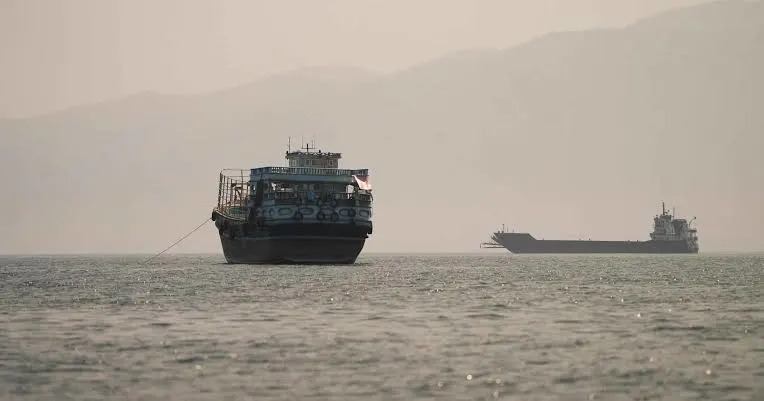
- Analysts also pointed to a less official tactic, tankers switching off their Automatic Identification System transponders to move undetected through parts of the strait, sometimes referred to as dark tankers or ghost tankers, alongside legitimate ship-to-ship transfers happening in Omani waters.
- Adding to the surge, the UAE formally exited OPEC on May 1, removing itself from the group's production quotas right as its infrastructure was recovering, giving it far more room to ramp up output freely.
Read More: “Our Customers Are in America”: Why Opendoor Shut Its India Operations and Fired 250 Employees
Real-World Examples of Where the Oil Actually Comes From
Two terminals tell the story best. Zirku Island, Abu Dhabi's largest offshore loading point run by ADNOC, shipped 1.06 million barrels a day in June, about 15 percent above its usual prewar average. Das Island, an older terminal that also handles gas processing, returned to 667,000 barrels a day, essentially back to normal after dropping to just 194,000 barrels a day during the earliest, worst weeks of the war. Meanwhile, ADNOC continued supplying spot cargoes to refiners like Nigeria's Dangote refinery and Turkey's Tupras, along with offering grades such as Upper Zakum, Umm Lulu, and Das crude through ongoing tenders.
Mistakes People Keep Making, And Why
A common misread here is assuming the UAE's recovery means the Strait of Hormuz crisis is fully resolved. It is not, regional flows overall have only recovered to around 75 percent of prewar levels, and Gulf producers excluding Iran are still below their pre-conflict shipping volumes even though they rose sharply in June. Another mistake is treating the UAE's OPEC exit as unrelated to this recovery story, when really the timing lines up almost perfectly, freedom from quotas arrived right when infrastructure allowed a genuine output surge.
Read More: When Missiles Move Markets: Why Indian Stocks Fell as US-Iran Tensions Reignited
Pro Tips for Understanding What This Means Going Forward
Watch the UAE's stated goal closely, its Minister of Foreign Trade has said the country wants to cut reliance on the Strait of Hormuz to zero, with expansion plans already underway for eastern ports at Dibba, Fujairah, and Khor Fakkan. If that ambition succeeds, future disruptions at the strait may matter far less to UAE export volumes than they did this time. It is also worth tracking Goldman Sachs' warning that global oil markets could swing into an actual surplus as wartime disruptions fade, since that has direct implications for prices at the pump, not just headlines about tanker traffic.
Closing Thoughts
There is something quietly impressive, and a little unsettling, about how fast infrastructure built years in advance can absorb a shock most people assumed would cripple exports for months. The UAE crude oil exports pre-war levels story is really a story about redundancy, having a plan B so solid it barely shows up as a dent in the numbers. Whether that resilience becomes the new normal for Gulf energy strategy, or a one-time response to an unusually sharp crisis, is the part still worth watching closely.
Disclaimer: This article is based on information available across the web. Parchar Manch does not take responsibility for its complete accuracy, as the content could not be fully verified.
Read More: YRF Spy Universe Just Changed Forever: Inside the Alpha Film Teaser with Alia Bhatt and Bobby Deol
FAQs
What caused the UAE's oil exports to drop in the first place?
The war that broke out on February 28, 2026, disrupted shipping through the Strait of Hormuz, a critical chokepoint UAE exports normally rely on.
How did the UAE manage to restore exports so quickly?
It relied on the Habshan-Fujairah pipeline bypassing the strait entirely, the Mandous storage facility near Fujairah, drawdowns of commercial inventories, and increased shipping activity including undetected tanker movements.
What role did leaving OPEC play in this recovery?
By exiting OPEC on May 1, the UAE removed itself from group production quotas, allowing it to ramp up output without restrictions right as infrastructure was recovering.
Are oil prices back to normal now?
Prices have eased close to prewar levels, dropping to around $70 a barrel, though analysts caution the broader Gulf region has not fully returned to pre-conflict export volumes.
What are dark tankers and why are they relevant here?
Dark tankers refer to vessels that switch off their tracking transponders to move undetected, a tactic reportedly used to keep crude flowing through disrupted or risky shipping routes during the conflict.
Will the UAE remain dependent on the Strait of Hormuz in the future?
The UAE has stated a goal of reducing its reliance on the strait to zero, with planned expansions at eastern ports to further diversify its export routes.