
US-Iran Nuclear Deal 2026: What the Tentative 60-Day Truce Agreement Really Means for the World
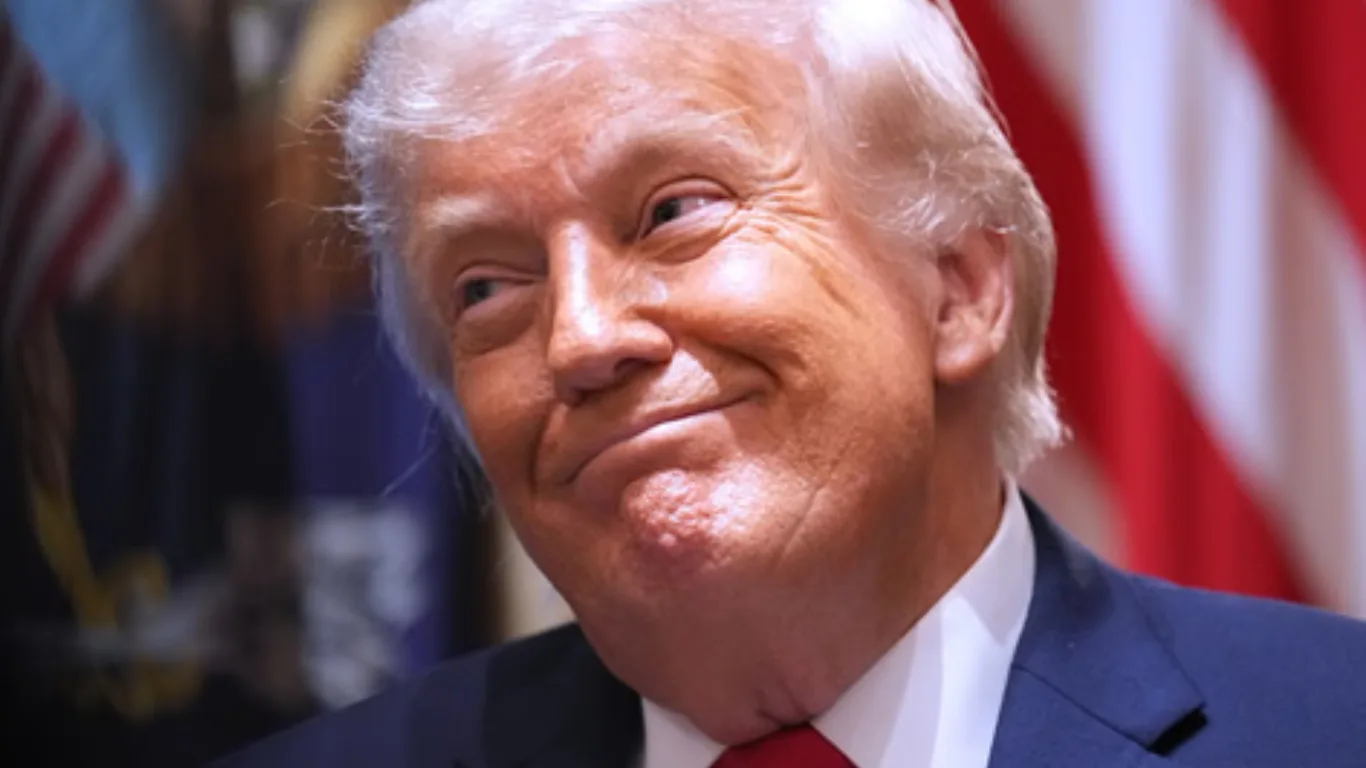
The world woke up to something it has not seen in years. A quiet but seismic shift somewhere between Washington and Tehran. Negotiators from the United States and Iran have reportedly reached a tentative US-Iran nuclear deal, a framework for a 60-day ceasefire extension that still needs one final signature: Donald Trump's.
This is not a signed treaty. Not yet. But it is closer to one than anyone expected just weeks ago.
Why the US-Iran Ceasefire Deal Matters More Than You Think
Here is the thing about the US-Iran ceasefire agreement: most people assume it is just about nuclear warheads and uranium enrichment. That is part of it. But there is a much bigger picture.
The Strait of Hormuz runs through the Persian Gulf. Nearly 20 percent of the world's traded oil passes through that narrow stretch of water. When Iran threatened or disrupted access to it, oil markets jolted. Prices swung. Shipping companies rerouted. Ordinary people in India, Europe, and the United States felt it at the fuel pump.
A deal that reopens and stabilises the Strait of Hormuz is not a diplomatic abstraction. It is an economic reality. That is why investors, energy traders, and governments everywhere are watching this closely.
What the Tentative Deal Actually Includes
According to multiple reports from outlets including Reuters, Bloomberg, AP News, and Axios, here is what the tentative agreement is believed to contain:
The 60-day truce extension is the headline. Iran and the US have reportedly agreed to extend their current ceasefire by another two months, buying time for a broader and more permanent Iran nuclear agreement to take shape.
There is also reportedly a framework around Iran's uranium stockpile and enrichment levels. Iran currently holds uranium enriched to a level that concerns Western powers who worry it could be converted into nuclear weapons material quickly. The deal is said to address caps on that enrichment.
A reported 300 billion dollar investment framework has been mentioned as a sweetener, potentially tied to sanctions relief if Iran complies with nuclear restrictions. That figure has not been formally confirmed.
The Lebanon situation is also apparently on the table, according to NDTV and other sources. The broader regional conflict, including the role of Iran-backed groups, is reportedly being discussed as part of the wider peace architecture.
Crucially, Trump has not yet signed off. VP JD Vance has said the US is "very close" but "not there yet." As of the latest reports, Trump's approval remains pending.
How Did We Get Here? The Background You Need
The US and Iran have been in a grinding conflict, a combination of military strikes, sanctions, proxy warfare, and diplomatic silence for years. Israel and Iran exchanged direct strikes, the Strait of Hormuz came under pressure, and the wider Middle East was teetering.
Then, quietly, diplomats began talking. Initial reports of a "tentative framework" emerged from sources including Axios's Barak Ravid. US and Iranian negotiators reportedly hammered out a draft memo, described by CBS News as a structured document with concrete terms.
Trump shared a version of the draft with Israel and other US allies, according to The Guardian, a sign that the agreement was being treated seriously at the highest levels.
What Still Stands Between a Deal and Reality
This is where things get complicated. Trump's approval is genuinely uncertain. Vance publicly said it is "still TBD" whether Trump will sign. Trump himself reportedly told associates he will not ease sanctions as part of any deal, which contradicts what Iran reportedly expects.
Iran's side has also not officially commented on the full terms. There are uranium stockpile disagreements still unresolved. And while the Strait of Hormuz may reopen under the framework, Iran fired warning shots in the area even as talks continued, a reminder of how fragile this moment is.
The Economist described the situation with rare precision: America and Iran are getting close to a deal. Or not.
Read More: Sensex Slides as US-Iran Tensions Shake Dalal Street: What Every Indian Investor Must Know Today
What This Means for Oil, Markets, and the Region
Oil prices actually dipped after reports of the breakthrough, a classic market reaction when geopolitical risk appears to ease. The Iran sanctions question hangs over everything. If they are lifted even partially, Iranian oil re-enters global supply. Prices fall further. OPEC's calculations change.
For the broader Middle East, a US-Iran peace framework could reshape Lebanon, reduce pressure on the Gulf states, and potentially shift the entire regional security architecture. That is speculative, of course. But the possibility is real.
What Happens Next
Trump's decision could come within days. If he approves, the 60-day clock starts. During that window, formal Iran nuclear talks would resume, likely under international oversight involving the IAEA and possibly European partners.
If he does not approve, the current ceasefire remains in place but weakens. The pressure on Iran's nuclear programme intensifies. And the fragile moment passes.
Read More: Ram Rahim Gets Parole Again — 16 Times Out of Jail Since 2017, and the Count Keeps Rising
Disclaimer: This article is based on information available across the web. Parchar Manch does not take responsibility for its complete accuracy, as the content could not be fully verified.
FAQs
What is the US-Iran nuclear deal 2026 about?
It is a tentative agreement between US and Iranian negotiators to extend their ceasefire by 60 days and begin formal nuclear talks. It addresses Iran's uranium enrichment, the Strait of Hormuz, and potentially sanctions relief, but still requires Trump's final approval.
Has Trump signed the deal yet?
No. As of the latest reports, Trump has not signed off. VP Vance called it "still TBD." The deal awaits his final decision.
What is the Strait of Hormuz and why does it matter?
It is a narrow waterway through which nearly 20 percent of the world's traded oil flows. If it gets blocked or disrupted, global energy markets feel it immediately.
What is Iran's uranium enrichment concern?
Iran has been enriching uranium to levels that could potentially be converted into material for nuclear weapons. The deal reportedly aims to cap that enrichment in exchange for sanctions or economic relief.
How does this affect oil prices?
Reports of the deal caused oil prices to fall, since a stable Middle East means less supply disruption risk. If Iranian oil re-enters the market under sanctions relief, prices could fall further.
What happens if the deal collapses?
The existing ceasefire may hold temporarily, but negotiations would likely stall. Iran's nuclear programme would face renewed pressure, and the region would remain volatile.