West Bengal EVM Controversy 2026: What Really Happened Inside That Strongroom at Midnight?
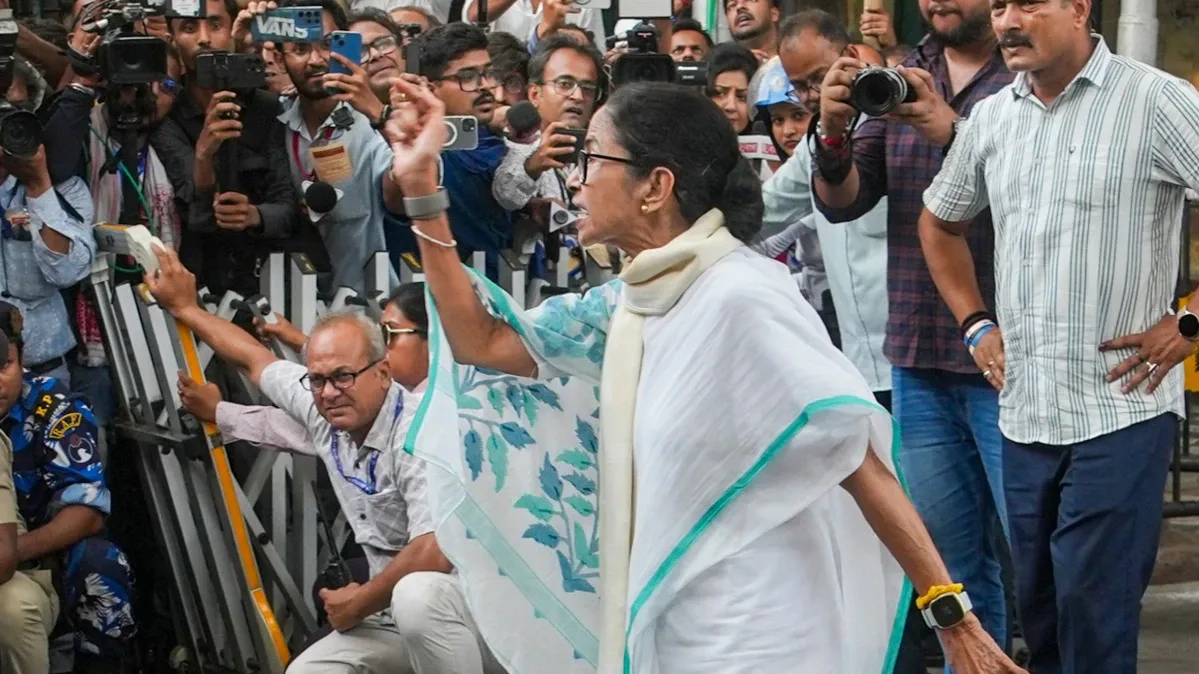
It was past midnight. Mamata Banerjee, Chief Minister of West Bengal, was standing inside a vote-counting strongroom in Bhabanipur, Kolkata. Not exactly where you expect a sitting CM to be hours before the counting day. And yet, there she was spending nearly four hours inside, cameras rolling, tempers rising.
That moment crystallised something that has been simmering under the surface of the West Bengal Assembly Election 2026 for weeks: a raw, almost visceral distrust between political parties, a shaken confidence in electoral machinery, and a public left searching for clarity.
So what actually happened? And does any of it change how we should think about EVM tampering allegations in Indian elections?
Why the West Bengal Election 2026 Has Everyone Watching
Bengal elections have never been quiet affairs. But this cycle feels different louder, more desperate, more charged with what feels like genuine fear on multiple sides.
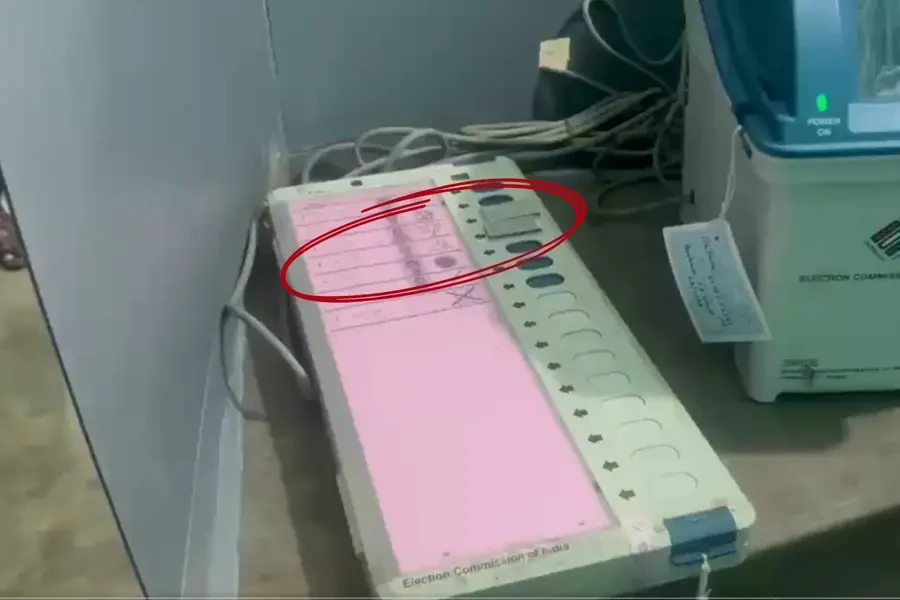
The Trinamool Congress went into Phase 2 of the 2026 Assembly elections already rattled. Reports from Falta, a constituency in Diamond Harbour, described BJP and CPM candidate buttons on EVMs allegedly being taped over. The EVM button-taping controversy spread fast. The Election Commission ordered repolling in affected booths where the taping was verified. That seemed to settle things. It did not.
The night before the counting was scheduled to begin, TMC leaders claimed that ballot boxes were being moved inside a Kolkata counting centre. A video was shared on social media. Allegations flew fast the BJP was accused of acting in collusion with the Election Commission. The EC, for its part, dismissed the charges, calling strongrooms secure and the claims baseless.
Then Mamata showed up herself.
What TMC Actually Alleged and What the EC Said
The Trinamool Congress EVM tampering claim was specific on the surface but murky in its evidence. TMC alleged that ballot papers were being moved and that Assisting Returning Officers inside a Kolkata strongroom were engaged in suspicious activity. They shared video footage and demanded an immediate explanation.
The West Bengal CEO's office responded the same night. The AROs, they said, were performing routine segregation of postal ballots a standard pre-counting procedure. Nothing had been tampered with. No boxes had been opened improperly.
The Election Commission echoed this, firmly rejecting what it called unfounded allegations.
BJP, meanwhile, called the entire episode "pure theatrics," accusing Mamata of manufacturing a crisis before counting to set a narrative in case of defeat. Party spokesperson Saumitra Khan went further, saying TMC was "certainly wiped out" and that Mamata was already behaving like a former Chief Minister.
How Does EVM Security Actually Work in India?
This matters. It is the part most people genuinely want to understand, and most articles skip over.
Electronic Voting Machines in India are standalone devices they are not connected to the internet or any external network at any point. After polling ends, EVMs are sealed with signatures from all party agents present. They are stored in strongrooms that are under round-the-clock CCTV surveillance, guarded by paramilitary forces, with political party representatives allowed to maintain their own vigil outside.
The strongroom at Netaji Indoor Stadium in Kolkata, where much of this drama played out, reportedly had security tightened further amid the protests a recognition that optics matter as much as reality in a politically charged environment.
Postal ballots, which are physical paper votes from service personnel and senior citizens, are processed separately and require careful pre-counting sorting. This is what the AROs were doing. It is routine. But in a high-tension environment, routine looks suspicious to those already convinced something is wrong.
The Falta EVM Tape Incident: What We Actually Know
The most concrete grievance from this election cycle is the EVM button-taping in Falta during Phase 2 polling. Multiple reports confirmed that the buttons for BJP and CPM candidates on some EVMs had adhesive tape on them making it, at the very least, harder for voters to press them confidently.
The Election Commission of India took this seriously. It ordered repolling in booths where the taping was verified and announced an inquiry. BJP demanded repolling across 77 booths in the area, which falls under Abhishek Banerjee's Diamond Harbour Lok Sabha constituency. As of the counting day, EC was still reviewing that demand.
This is the specific incident that hardened positions. TMC denied orchestrating the taping. BJP pointed to it as proof of systematic fraud. The truth, as with most election disputes, likely sits somewhere in the uncomfortable middle.
Common Mistakes People Make When Following Election Controversies
The first mistake: treating allegations as confirmed facts. In the heat of a counting eve, claims move faster than verification. The TMC video of "ballot boxes being moved" turned out, on official explanation, to be AROs doing scheduled work. That does not mean the original concern was fabricated but it does mean the interpretation was wrong.
The second mistake: assuming that electoral fraud is either everywhere or impossible. EVM security in India is genuinely robust by design. But human processes around EVMs sealing, transporting, storing can have gaps. The tape incident in Falta was real. The ballot box "tampering" in Kolkata appears not to have been.
The third mistake: reading every controversy through party loyalty. Both TMC and BJP have, at different points in different states, raised EVM concerns when losing and defended the machines when winning. That is worth remembering.
What the Diamond Harbour Repoll Demand Tells Us
EC's decision to review BJP's demand for repolling in 77 booths in Abhishek Banerjee's stronghold is, quietly, the most significant development here. It signals that the commission is at least taking on-ground reports seriously even if it rejected the strongroom drama as unsubstantiated.
Abhishek Banerjee, TMC's national general secretary, has built Diamond Harbour into something close to a political fortress. NIA teams and additional security were deployed during voting an unusual step that itself signals how fraught the area had become.
If repolling is ordered at scale in that constituency, it would be an extraordinary development in what is already a deeply contested election.
What This Means for Electoral Trust in India
Elections work when people believe they work. That is not a cliche it is the entire foundation of democratic legitimacy.
The problem with sustained EVM tampering allegations, from whichever party raises them, is that they erode that trust slowly. By the time counting is done and a government is formed, a portion of voters in the losing camp will carry lasting doubt. That doubt does not disappear with a press conference.
The answer is not simpler: it is more transparency, more robust multi-party vigil protocols, and quicker independent verification of on-ground complaints. The Falta tape incident, for instance, would have caused far less controversy if it had been identified and resolved during polling hours rather than becoming post-election ammunition.
Closing Thought
Mamata Banerjee's midnight visit to a strongroom will be remembered whether as a political masterstroke, a moment of genuine panic, or both simultaneously. But what should stay with us is the quieter question underneath all the drama: how does a democracy protect the actual act of voting from the noise that surrounds it?
That question does not have an easy answer. But it is exactly the right one to be asking.
Disclaimer: This article is based on information available across the web. Parchar Manch does not take responsibility for its complete accuracy, as the content could not be fully verified.
Read More: Modi's Matua Gambit: The One Speech That Could Decide West Bengal's 2026 Election
FAQs
What is the West Bengal Assembly Election 2026 EVM controversy about?
TMC alleged EVM tampering and ballot box irregularities in Kolkata's counting strongrooms ahead of the May 2026 counting day. The Election Commission rejected the charges, saying AROs were performing routine pre-counting work.
Was EVM tampering actually proven in the 2026 Bengal elections?
The EVM button tapping in Falta during Phase 2 was verified and led to repolling orders in affected booths. The broader allegations of tampering inside Kolkata strongrooms were dismissed by election officials as unfounded.
Why did Mamata Banerjee go to the EVM strongroom at midnight?
CM Mamata Banerjee visited the Bhabanipur strongroom after TMC workers claimed ballot boxes were being moved improperly. She spent approximately four hours there. Officials maintained all procedures were routine and secure.
Can Indian EVMs be tampered with?
Indian EVMs are standalone devices not connected to the internet. They are sealed with party agent signatures after polling and stored under heavy security. Most experts consider the machines themselves secure, though concerns around human processes during transport and storage remain a subject of ongoing public debate.
What happened in Diamond Harbour during the 2026 Bengal election?
BJP alleged EVM button taping in Falta, a constituency within Abhishek Banerjee's Diamond Harbour area. The EC ordered repolling in verified booths and was reviewing a BJP demand for repolling across 77 booths as of the counting day.
What is a strongroom in Indian elections?
A strongroom is a secure facility where EVMs are stored after polling and before counting. They are under CCTV surveillance and paramilitary guard, with party representatives allowed to maintain a vigil outside.