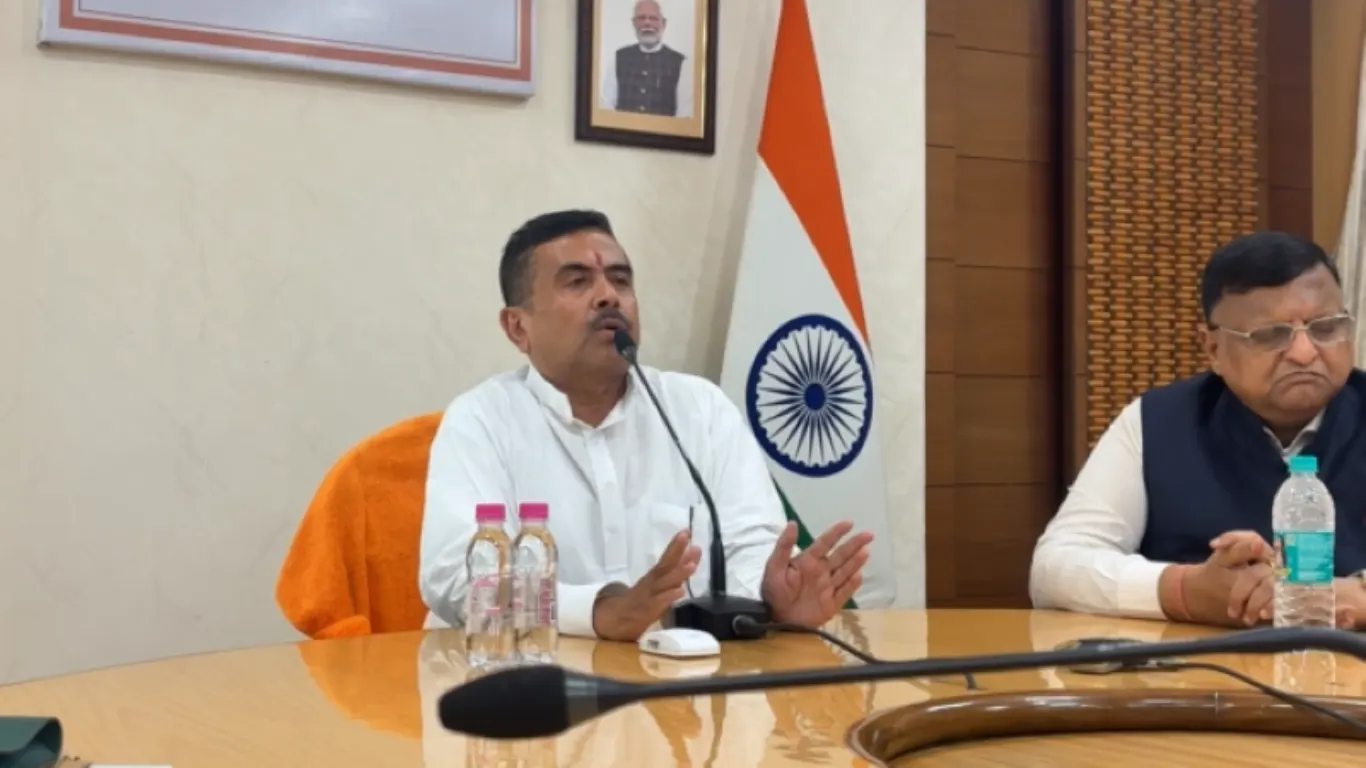
West Bengal's "Detect, Delete, Deport": What Suvendu Adhikari's Crackdown on Illegal Bangladeshi Immigrants Really Means
Something unusual has been happening along the India-Bangladesh border in West Bengal. Hundreds of people are queueing up not to enter India, but to leave it. They are heading back to Bangladesh. And the reason is a policy that has suddenly made staying very uncomfortable.
West Bengal's new BJP government under Chief Minister Suvendu Adhikari has launched what is being called the "Detect, Delete, Deport" drive against alleged illegal Bangladeshi immigrants. And it is moving fast.
Why the "Detect, Delete, Deport" Policy Is Making Headlines Right Now
Long queues formed near the border as people allegedly tried to leave India following strong warnings issued by the West Bengal government regarding undocumented immigrants. Security agencies, including the Border Security Force, reportedly began verification procedures before allowing any movement across the international border.
This is not just a bureaucratic exercise. It is a visible, ground-level shift in how West Bengal's new government is approaching the issue of illegal immigration from Bangladesh, which the BJP has long argued was deliberately ignored by the previous Trinamool Congress administration.
What Exactly Is the "Detect, Delete, Deport" Policy?
The policy works exactly as the name suggests. The three-stage approach involves identifying undocumented foreign nationals living in the state, removing allegedly fake names from voter and welfare databases, and deporting individuals found to be staying illegally in India.
It is a structured crackdown, not a spontaneous action.
According to a directive issued on May 23 by the foreigners' branch under the state's home and hill affairs department, district magistrates have been instructed to build detention facilities to accommodate "apprehended foreigners" and "released foreign prisoners" until the process of their deportation is completed.
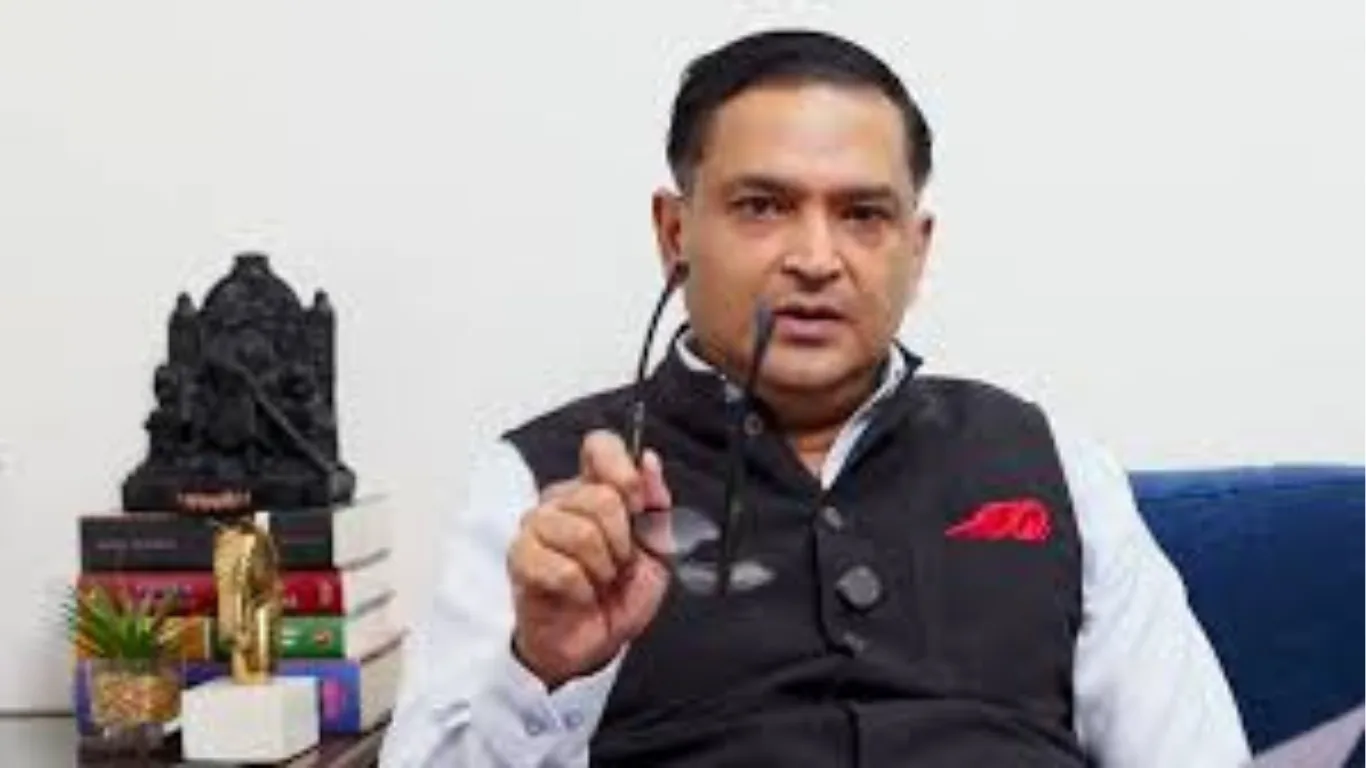
Chief Minister Adhikari has stated that those not covered under the Citizenship Amendment Act are completely illegal immigrants, and that the State police will arrest them and hand them to the BSF. The BSF will then hold talks with the Border Guards Bangladesh and try to deport them.
The Role of the BSF, Holding Centres, and the Legal Framework
The machinery being used here is not new, but the scale and speed are. The chief minister had earlier directed all 23 district magistrates to establish detention centres to house suspected illegal immigrants, including Bangladeshis and Rohingyas, until deportation.
The directive also called for the formation of a Special Task Force to identify and deport illegal immigrants, particularly Rohingyas and Bangladeshi nationals. The BJP had promised to implement these measures in its election manifesto ahead of the recently concluded Assembly elections.
On May 20, the state handed over 27 kilometres of land to the BSF for fencing work. In addition, 43 acres of purchased land across various districts, along with 31.9 acres of vested land, were also transferred to the BSF. Union Home Minister Amit Shah is expected to visit border areas in West Bengal in June, along with three other states, to review border security arrangements.
The legal grounding draws from the Immigration and Foreigners Act, 1946 and its amended 2025 version, as well as a Union Home Ministry directive from May 2025.
What Happened at Hakimpur and Why It Matters
The Hakimpur border post in Swarupnagar has become one of the focal points of this movement. At the Hakimpur checkpost, 150 suspected Bangladeshis were checked, with 60 pushed back and 90 handed over to police, according to BSF data.
Illegal migrants were reportedly leaving Aadhaar cards behind, having concluded those documents would no longer provide cover. That detail is striking. It suggests people were aware that the document-based protections they had relied on were no longer sufficient under the new enforcement reality.
The Concerns Being Raised
The crackdown has drawn strong comparisons to enforcement drives seen elsewhere globally. But it has also attracted criticism.
Unlike Assam, where suspected foreigners are produced before Foreigners' Tribunals, detainees in West Bengal will reportedly not be presented in court. This has raised concerns about the possibility of Indian citizens being wrongly identified and deported as Bangladeshi nationals.
That concern is not abstract. The Detect, Delete, Deport framework depends entirely on the accuracy of identification, and errors in that process could have serious consequences for people who are, in fact, Indian citizens living in border regions.
Closing Thoughts
West Bengal's border districts have always existed in a grey zone between two countries, two histories, and two political realities. The BJP government's crackdown is designed to resolve that ambiguity firmly in favor of enforcement.
Whether that enforcement is applied with accuracy and due process will determine whether this becomes a genuine policy achievement or a story about wrongful deportations. Both outcomes are possible. That is precisely why it is worth watching carefully.
Disclaimer: This article is based on information available across the web. Parchar Manch does not take responsibility for its complete accuracy, as the content could not be fully verified.
FAQs
What is the "Detect, Delete, Deport" policy in West Bengal?
It is a three-part anti-infiltration policy introduced by Chief Minister Suvendu Adhikari's BJP government that involves identifying undocumented immigrants, removing their names from voter and welfare records, and deporting them through the BSF to Bangladesh.
Who is directing the West Bengal crackdown on illegal immigrants?
Chief Minister Suvendu Adhikari, heading the newly elected BJP state government, has directed all 23 district magistrates to set up holding centres and activated police and BSF machinery to implement the deportation drive.
What are the holding centres in West Bengal?
These are detention facilities being set up across West Bengal's districts, as directed by the state government, to house apprehended undocumented foreigners and released foreign prisoners while their deportation process is completed.
What laws are being used for this immigration crackdown?
The drive is backed by the Immigration and Foreigners Act of 1946 and its 2025 amended version, as well as a May 2025 advisory from the Union Home Ministry on handling Bangladeshi nationals and Rohingyas found living illegally in India.
What criticism has the West Bengal deportation policy faced?
Critics have raised concern that, unlike Assam's process involving Foreigners' Tribunals, detainees in West Bengal may not be produced before a court, raising the risk of Indian citizens being wrongly identified and deported.