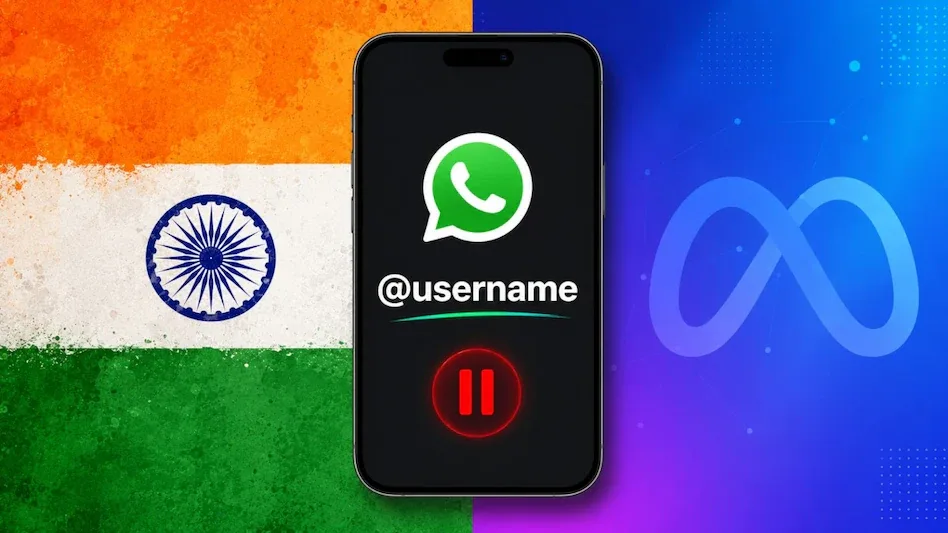
WhatsApp Username Feature India: Why Meta Hit Pause
Something interesting happened this week that most WhatsApp users probably scrolled past without noticing. The Indian government issued a formal Meta notice over the WhatsApp username feature India rollout, and told the company, in plain terms, to hold off until questions get answered.
Why The WhatsApp Username Feature India Notice Actually Matters
If you use WhatsApp daily, and most of India does, over 500 million users here, this isn't some abstract regulatory footnote. The WhatsApp username feature India rollout was meant to let people message each other without sharing phone numbers. Sounds like a privacy win, right? Except the government's Meta notice argues it could just as easily become a tool for online fraud, and that tension between privacy and safety is exactly why this matters to anyone who's ever gotten a suspicious WhatsApp message claiming to be from their bank.
What The Username Feature Really Is
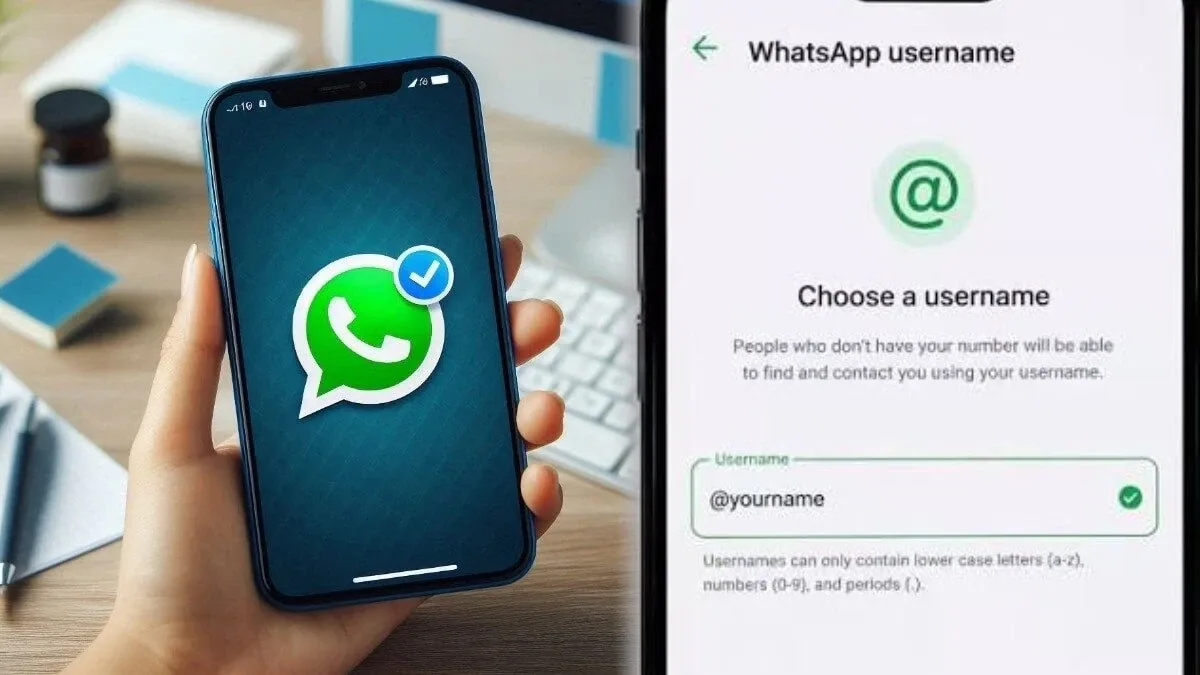
Here's the simple version. A username on WhatsApp is an optional identifier starting with @, like @Name123, that others can use to message or call you without ever seeing your phone number. It's different from your display name, the one that already shows on your profile. Meta describes this as a privacy upgrade, something that protects users in group chats or when talking to new contacts. The WhatsApp username feature India concept isn't new either, platforms like Telegram and Instagram already work this way.
How The Government's Notice Actually Works, Step By Step
- The Ministry of Electronics and Information Technology, MeitY, issued the Meta notice on July 1, addressed to WhatsApp's Chief Compliance Officer in India.
- Meta was given three days to submit a detailed explanation of the WhatsApp username feature India rollout.
- The Meta notice explicitly directs the company not to roll out the feature further until consultations are completed to the government's satisfaction.
- Officials cited Section 79 of the IT Act, along with Rules 3(1)(b), 3(2) and 4 of the IT Rules 2021, all tied to due diligence obligations for significant social media intermediaries.
- Sections 66C and 66D of the IT Act, covering identity theft and cheating by impersonation, were also referenced, showing how seriously the impersonation risk is being treated here.
- If Meta's response doesn't satisfy the government, officials say they'll explore legal mechanisms to block the feature entirely in India.
Real-World Examples Of The Concern
This isn't hypothetical worry from bureaucrats with too much free time. Paytm founder Vijay Shekhar Sharma publicly warned that similar-sounding usernames could become a vector for online fraud, essentially someone creating @SBIBank123 to trick people into thinking they're talking to their actual bank. Jasveer Singh, co-founder of KnotDating, raised a related question about how WhatsApp balances privacy with accountability once real names stop being the default identifier. The government's own Meta notice makes the same point more formally, warning that the WhatsApp username feature India rollout could enable phishing, digital arrest scams and impersonation of public authorities, financial institutions and government agencies.
Mistakes People Keep Making While Following This Story
A common one is assuming this is India banning a feature outright. It isn't, not yet anyway. This is a pause-and-explain notice grounded in IT Rules 2021 obligations, not a ban. Another mistake is assuming usernames themselves are the problem. They're not inherently unsafe, Telegram has used them for years. The real impersonation risk comes from weak verification, meaning anyone could theoretically register a username resembling a bank, celebrity, or government office without proof they're actually associated with it.
Read More: Twenty Rebel Trinamool Congress MPs to Merge with NCPI? The Political Buzz Raising Big Questions
Pro Tips For Understanding Where This Goes
Watch for Meta's response within the three day window MeitY set, since that reply will likely determine whether the WhatsApp username feature India standoff becomes a longer regulatory fight or a quick fix through added verification under the IT Rules 2021 framework. Also keep an eye on how online fraud in India already looks, since scams involving fake profiles and cloned numbers were common even before usernames existed, and any new identity layer changes that landscape either for better or worse. If you're a regular user, there isn't much to do right now except stay cautious about who you're messaging, regardless of what identifier shows up on screen.
Closing Thoughts
There's something almost predictable about a privacy feature triggering a fraud debate in a country with hundreds of millions of first time internet users still learning what a scam message looks like. The WhatsApp username feature India situation isn't really about usernames at all, it's about whether platforms this size can move fast without leaving safety gaps for regulators to catch afterward.
Read More: Ram Temple Donation Fraud: How Scammers Are Exploiting Faith and What Devotees Need to Know
Disclaimer: This article is based on information available across the web. Parchar Manch does not take responsibility for its complete accuracy, as the content could not be fully verified.
FAQs
What is the WhatsApp username feature?
It's an optional @ handle that lets people message or call you on WhatsApp without seeing your phone number.
Why did India issue a notice to Meta?
The government is concerned the feature could enable impersonation, phishing and fraud, and wants Meta to explain safeguards before further rollout.
Has WhatsApp usernames been banned in India?
No, it's currently paused pending consultation, not banned, though officials say they may pursue legal options if concerns aren't addressed.
What laws is the government citing?
Section 79 and Sections 66C and 66D of the IT Act, along with Rules 3(1)(b), 3(2) and 4 of the IT Rules 2021.
Is the impersonation risk specific to WhatsApp?
No, other platforms with usernames face similar risks, but WhatsApp's scale in India, over 500 million users, makes the stakes higher.