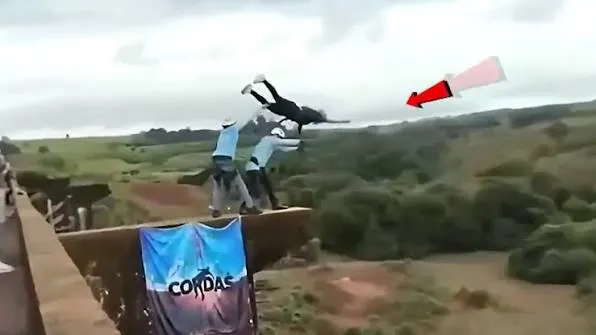
Brazilian Woman Falls to Death From Bridge Without Safety Rope: A Tragedy Raising Serious Safety Questions
Adventure activities often promise excitement, freedom, and unforgettable memories.
Yet every so often, a tragic incident forces people to stop and ask difficult questions. The news that a Brazilian Woman Falls to Death From Bridge Without Safety Rope has drawn international attention not only because of the heartbreaking loss of life but also because it has sparked concerns about safety standards in adventure tourism.
The incident has renewed discussions about supervision, equipment checks, operator responsibility, and the risks involved in high-altitude recreational activities.
Why the Brazilian Woman Falls to Death From Bridge Without Safety Rope Story Matters
Some accidents become major news stories because they reveal broader issues.
This tragedy is one of them.
Adventure sports and recreational activities attract millions of participants every year. Most events are completed safely. However, when safety systems fail or procedures are not followed correctly, the consequences can be devastating.
The reports surrounding the Brazilian Woman Falls to Death From Bridge Without Safety Rope have led many people to question how such an incident could occur and what safeguards should exist to prevent similar accidents.
Understanding the Role of Safety Equipment
Imagine driving a car without a seatbelt.
Most of the time, nothing may happen. But if something goes wrong, that single missing layer of protection can become critical.
Safety ropes, harnesses, backup systems, and professional supervision serve a similar purpose in adventure activities. They are designed to reduce risk and provide protection when unexpected situations arise.
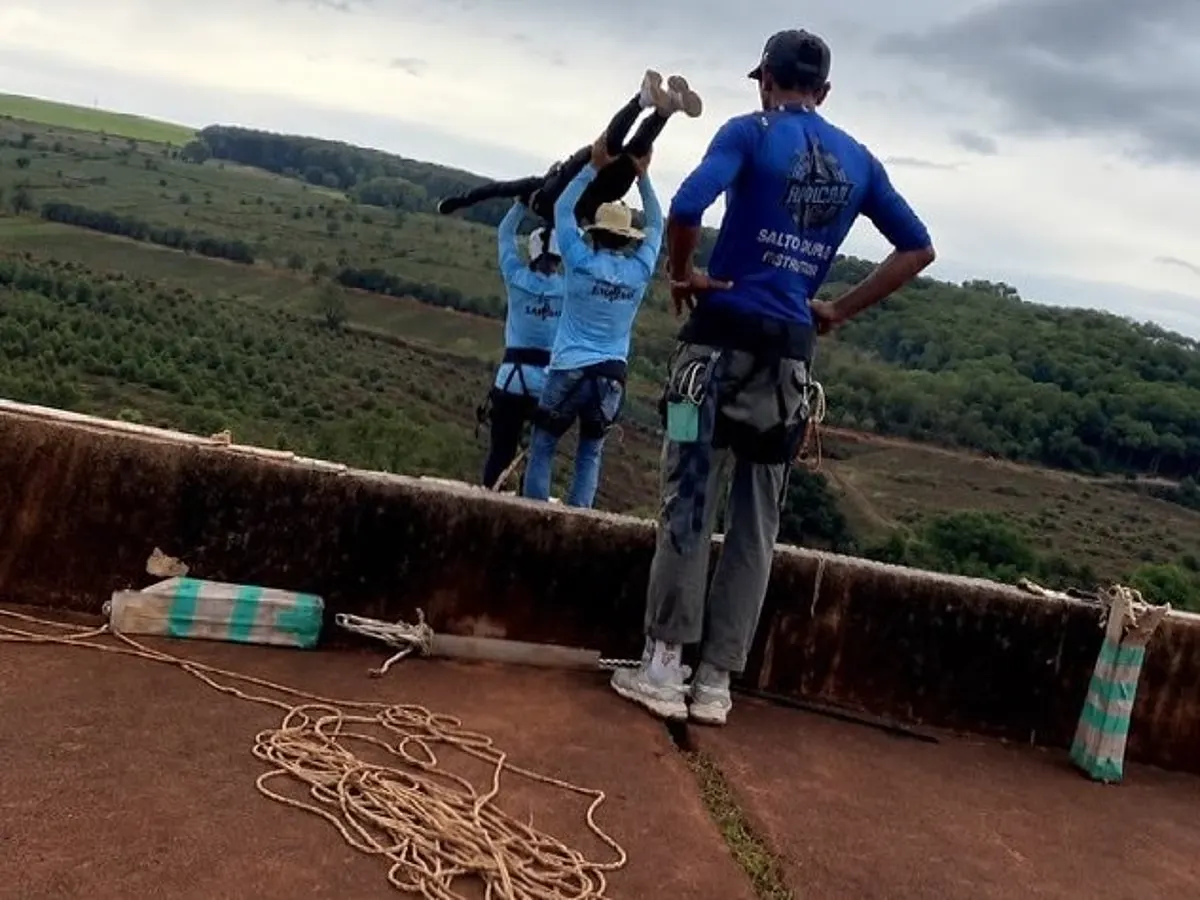
The absence of a safety rope during a high-risk activity immediately raises concerns because these systems are often considered fundamental safety measures.
That is why investigations into such incidents typically focus on procedures, equipment, and operational compliance.
How Adventure Safety Systems Normally Work
Professional adventure operations generally follow several safety steps:
• Equipment is inspected before use.
• Participants receive safety instructions.
• Harnesses and ropes are checked multiple times.
• Trained staff supervise the activity.
• Emergency response procedures remain in place.
These layers of protection exist because adventure activities involve managed risk. Removing even one important safeguard can significantly increase danger.
Read More: “Our Customers Are in America”: Why Opendoor Shut Its India Operations and Fired 250 Employees
Real-World Lessons From the Incident
This tragedy serves as a reminder that safety procedures are not administrative formalities.
They are life-saving systems.
Whether someone is participating in bungee jumping, bridge activities, ziplining, climbing, or other adventure experiences, proper equipment verification is essential. Participants often trust operators to ensure every safety requirement has been met.
That trust carries enormous responsibility.
Events such as the Brazilian Woman Falls to Death From Bridge Without Safety Rope case highlight why safety culture matters as much as safety equipment itself.
Common Mistakes People Make About Adventure Activities
One common misconception is that professional-looking facilities automatically guarantee complete safety.
While reputable operators generally maintain high standards, participants should still ask questions, understand procedures, and pay attention to safety briefings.
Another mistake is assuming that accidents only happen because of participant error.
In reality, investigations often examine equipment issues, operational procedures, supervision, communication failures, and organizational practices.
Safety is rarely dependent on a single factor.
Read More: Iran-Israel War 2026: What's Really Happening, Why the US Is In the Middle, and What Comes Next
Practical Safety Tips for Adventure Travelers
Experts consistently recommend several precautions.
Choose licensed and reputable operators.
Pay close attention during safety briefings.
Verify that safety equipment is properly fitted.
Do not hesitate to ask questions if something appears unclear.
Avoid participating if required safety measures seem incomplete.
These simple actions cannot eliminate all risks, but they can help reduce them significantly.
A Reminder That Safety Rules Exist for a Reason
The story of a Brazilian Woman Falls to Death From Bridge Without Safety Rope is first and foremost a human tragedy. Behind every headline is a person, a family, and a community affected by loss.
It is also a reminder that safety procedures are often written in response to lessons learned through experience, sometimes painful experience.
Adventure activities can create extraordinary memories. The challenge for operators and participants alike is ensuring that excitement never comes at the expense of essential safety protections.
Disclaimer: This article is based on information available across the web. Parchar Manch does not take responsibility for its complete accuracy, as the content could not be fully verified.
FAQs
What happened in the Brazilian bridge accident?
Reports indicate that a Brazilian woman died after falling from a bridge during an activity where a safety rope was reportedly not in place.
Why is the incident receiving international attention?
The tragedy has raised concerns about safety standards, equipment verification, and operator responsibility in adventure activities.
What is the purpose of a safety rope?
A safety rope serves as a critical protective system designed to prevent falls and reduce the risk of serious injury or death.
Who investigates such accidents?
Local authorities, safety regulators, and relevant agencies typically investigate incidents involving potential safety failures.
Can adventure activities be safe?
Yes. Most professionally managed activities follow strict safety procedures and operate safely when standards are maintained.