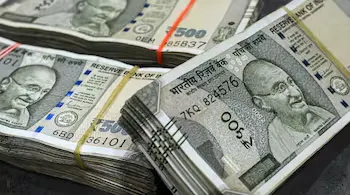
Indian Rupee Gains Against US Dollar on US-Iran Peace Deal: Why Markets Suddenly Feel More Optimistic
Currency markets are usually quiet until they aren't.
One diplomatic development thousands of kilometers away can change the value of money sitting in your bank account, influence fuel prices, and even affect stock markets. That's exactly what happened as the Indian Rupee Gains Against US Dollar on US-Iran Peace Deal story grabbed investor attention.
The rupee strengthened after reports of easing tensions between the United States and Iran improved global market sentiment. At first glance, it may seem like a distant geopolitical event. Look a little closer, though, and the connection becomes surprisingly clear.
Why the Indian Rupee Gains Against US Dollar on US-Iran Peace Deal Matters
Most people don't track currency movements every day. Fair enough.
But when the rupee strengthens, imports become relatively cheaper. For a country like India, which imports a large portion of its crude oil needs, that's significant.
Lower oil-related concerns can reduce pressure on inflation. Businesses may face lower input costs. Investors often become more willing to put money into emerging markets such as India.
That's why a stronger rupee is more than just a number on a financial screen.
It reflects confidence.
Understanding the Link Between the US-Iran Peace Deal and the Rupee
Let's simplify it.
Imagine global markets as a giant crowd reacting to uncertainty. When tensions rise between major countries, investors become nervous. They move money into safer assets, especially the US dollar.
When tensions ease, the opposite can happen.
The reported progress toward peace between the United States and Iran reduced fears of disruptions in oil supply and broader regional instability. As risk concerns softened, investors shifted back toward growth-oriented markets, including India.
That increased demand helped support the rupee.
This is one of the key reasons behind the Indian Rupee Gains Against US Dollar on US-Iran Peace Deal development.
How the Currency Reaction Actually Works
The process is fairly straightforward:
• Geopolitical tensions ease.
• Global oil supply concerns decline.
• Crude oil prices often stabilize or move lower.
• Investor confidence improves.
• Foreign investors become more comfortable investing in emerging markets.
• Demand for the Indian rupee rises.
• The rupee strengthens against the US dollar.
No single factor moves a currency alone. But together, these forces create momentum.
Read More: Oman in the Crossfire: Why the World's Most Neutral Nation Is Now Under Enormous Pressure
Real-World Impact on Indians
A stronger rupee can affect everyday life in subtle ways.
An importer purchasing goods from overseas may face lower costs. Students paying foreign university fees may benefit from a better exchange rate. Businesses dependent on imported machinery or technology can see some relief.
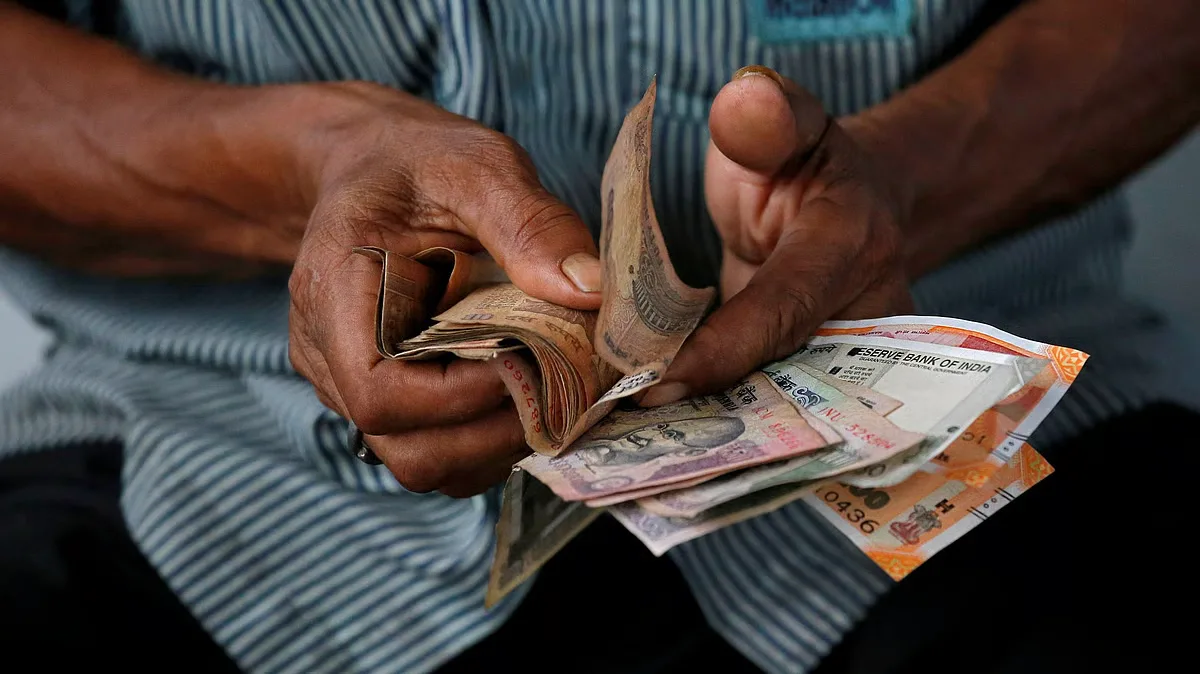
Even fuel prices can be indirectly influenced if lower oil costs persist.
Of course, these benefits are not always immediate. Currency movements need time to filter through the economy.
Still, the connection exists.
Common Misunderstandings About Rupee Strength
One mistake people make is assuming a stronger rupee automatically means the economy is booming.
Not necessarily.
Currencies react to dozens of factors, including interest rates, global sentiment, trade flows, and geopolitical developments.
Another misconception is that a single peace agreement permanently changes market direction.
Markets rarely work that way.
Investors continue watching inflation data, central bank decisions, oil prices, and economic growth indicators long after the initial headlines fade.
Read More: India's Current Account Surplus Hit $7.1 Billion in Q4 FY26: What the Numbers Are Really Saying
Expert Insights Investors Should Pay Attention To
Experienced market observers often focus on trends rather than one-day moves.
If geopolitical stability continues and oil prices remain manageable, the rupee could receive ongoing support. However, traders also monitor US Federal Reserve policy, foreign investment flows, and India's trade balance.
For ordinary readers, the practical takeaway is simple:
Watch oil prices.
For India, oil often acts like a bridge connecting global politics, inflation, and currency movements.
When that bridge becomes calmer, the rupee often finds room to strengthen.
A Quiet Reminder About Global Markets
The interesting thing about financial markets is how connected everything has become.
A diplomatic breakthrough in one region can influence currencies in another. A change in oil sentiment can affect inflation expectations halfway across the world.
The story of the Indian Rupee Gains Against US Dollar on US-Iran Peace Deal is really a reminder of that interconnected reality. What happens abroad rarely stays abroad for long.
And sometimes, the value of a currency tells that story before anything else does.
Disclaimer: This article is based on information available across the web. Parchar Manch does not take responsibility for its complete accuracy, as the content could not be fully verified.
FAQs
Why did the Indian rupee strengthen against the US dollar?
The rupee gained strength as easing US-Iran tensions improved investor confidence and reduced concerns about oil supply disruptions.
How does the US-Iran peace deal affect India?
It can help stabilize oil markets, which is important because India imports a significant amount of crude oil.
Does a stronger rupee benefit consumers?
It can. Imported goods, overseas education costs, and certain business expenses may become relatively cheaper.
Can the rupee continue gaining strength?
That depends on factors such as oil prices, foreign investment flows, global economic conditions, and central bank policies.
Why do investors react to geopolitical events?
Geopolitical developments influence risk levels, energy prices, trade expectations, and overall market confidence.
Is a stronger rupee always good for India?
Not always. While importers may benefit, exporters sometimes prefer a weaker currency because it can make Indian goods more competitive internationally.