Iran-Israel War 2026: What's Really Happening, Why the US Is In the Middle, and What Comes Next
The Iran-Israel conflict entered a dangerous new chapter in June 2026. After a fragile ceasefire that few believed would hold, both sides exchanged their worst strikes in months , and the world watched, again, as the Middle East teetered on the edge.
If you've been watching the headlines pile up and still feel confused about who's fighting whom, why the US keeps issuing warnings, and what a "ceasefire" even means in this context , this piece is for you.
The Iran-Israel War Crisis: A 72-Hour Breakdown That Changed Everything
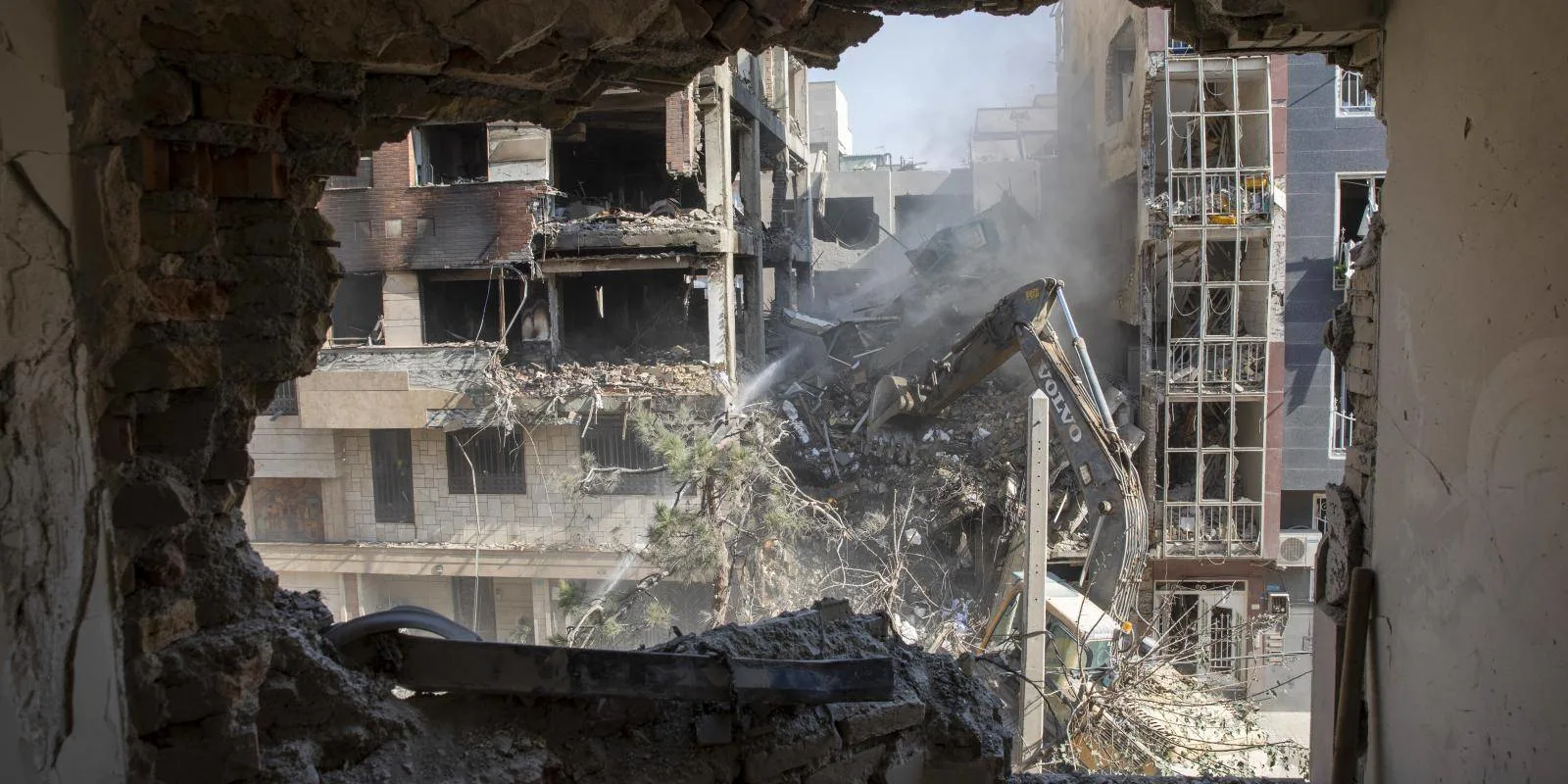
On June 7-8, 2026, the ceasefire collapsed. Iran's Islamic Revolutionary Guard Corps (IRGC) launched what it called "Operation Nasr" , a missile strike directly targeting Israel's Tel-Nof and Nevatim air bases, two of the country's most strategically vital military sites. Israel hit back fast, striking the Mahshahr petrochemical complex in Iran.
That exchange , missiles flying both ways while diplomats scrambled , marked the first direct confrontation since a fragile truce had been put in place. It was, by most accounts, the most intense escalation in months.
Then, just as suddenly, both sides declared a pause. Iran announced it was halting attacks. Israeli Prime Minister Benjamin Netanyahu confirmed Israel had stopped its strikes , but added that if fire resumed, the response would be overwhelming.
Why the US Role in This War Matters So Much
Here is where it gets genuinely complicated. The United States, under President Donald Trump, is simultaneously trying to broker a nuclear deal with Iran and manage an ally in Israel that is clearly willing to act unilaterally.
Trump reportedly called Netanyahu directly and told him, in characteristically blunt terms: "Bibi, be careful , you could be left on your own." That warning was unusual. A sitting US president essentially telling its closest Middle East ally that American backing is not unconditional.
Trump also told both sides publicly to stop fighting, claiming progress in nuclear negotiations. He even suggested he would declare "total victory" over Iran once talks concluded. Netanyahu, meanwhile, told reporters that the war with Iran and Hezbollah "isn't over."
This tension inside the US-Israel relationship is arguably as consequential as the strikes themselves. It signals a US administration willing to prioritize a nuclear agreement over unconditional military support , a significant shift from previous American policy.
Read More: The Iran-US Peace Deal Is Almost Here — But Israel's War in Lebanon Could Still Unravel Everything
What This Conflict Is Actually About
At its core, the Iran-Israel war is a decades-old rivalry that has moved from proxy battles to direct confrontation. Iran has historically funded and armed groups , Hezbollah in Lebanon, Hamas in Gaza , that operate against Israeli interests. Israel has responded with airstrikes, intelligence operations, and targeted killings inside Iranian territory.
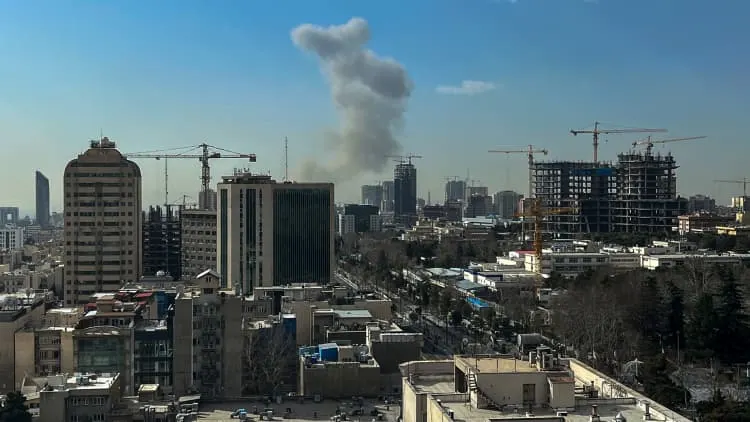
The nuclear dimension adds the sharpest edge. Israel views a nuclear-armed Iran as an existential threat. Iran insists its nuclear program is peaceful but has accelerated enrichment to levels that alarm Western intelligence agencies.
What changed in 2024-2025 was the crossing of a threshold: direct missile exchanges between the two countries. What had been a shadow war became visible, loud, and tracked by radar systems across the globe.
Read More: DK Shivakumar Sworn In as Karnataka Chief Minister: The Long Wait Is Finally Over
The Ceasefire That Keeps Breaking
A ceasefire in this context is less a peace agreement and more a temporary exhale. Both sides have strategic reasons to pause , Iran is in nuclear negotiations with the US where billions in sanctions relief are at stake. Israel is under pressure from Washington. But neither has given up its core objectives.
The BBC noted that the recent Iran-Israel flare-up could actually strengthen Tehran's negotiating hand by demonstrating it can still strike if provoked. Reuters reported Israel was "defying Trump" with its brief Iran fight , apparently to signal it retains leverage over the peace talks.
What Ordinary People Get Wrong About This Conflict
Most people assume this is purely religious. It isn't , or at least not entirely. This is about regional power projection, nuclear deterrence, oil infrastructure, and American influence in a rapidly shifting geopolitical order. Religion provides the language; strategy provides the motive.
Another common mistake: assuming a "ceasefire" means both sides want peace. Often, it means both sides need time.
What Happens Next
As of June 9, 2026, Iran and Israel have both signaled a pause. US-Iran nuclear talks appear to be the thin thread holding this fragile quiet together. If those talks collapse , or if Israel conducts another preemptive strike , the region could re-escalate quickly.
The world has seen this particular pattern before. The pause is real. The underlying conflict is not resolved.
Disclaimer: This article is based on information available across the web. Parchar Manch does not take responsibility for its complete accuracy, as the content could not be fully verified.
FAQs
What triggered the June 2026 Iran-Israel strikes?
Iran launched missiles at two Israeli air bases (Tel-Nof and Nevatim) in what the IRGC called Operation Nasr. Israel retaliated by striking Iran's Mahshahr petrochemical plant. It was the first major exchange since a ceasefire had been in place.
Why did Trump warn Netanyahu against striking Iran?
Trump is actively pursuing a nuclear agreement with Iran. Israeli retaliation risked derailing those talks. He reportedly told Netanyahu the US might not back Israel if it escalated further.
What is Iran's nuclear program's role in this conflict?
Iran's nuclear enrichment is at the center of Western concerns. Israel views any Iranian nuclear capability as an existential threat and has previously struck facilities and scientists to delay it. The current US-Iran talks aim to freeze enrichment in exchange for sanctions relief.
Has a ceasefire been declared?
Both Iran and Israel declared a suspension of attacks as of June 9, 2026. However, Netanyahu stated clearly that the war is "not over" and that Israel will respond forcefully if attacks resume.
Is this conflict likely to become a full-scale regional war?
The risk remains real but is currently contained by US diplomatic pressure and ongoing nuclear talks. If those talks fail or either side launches a major escalation, a broader conflict involving Hezbollah, Gulf states, and potentially US forces becomes more probable.