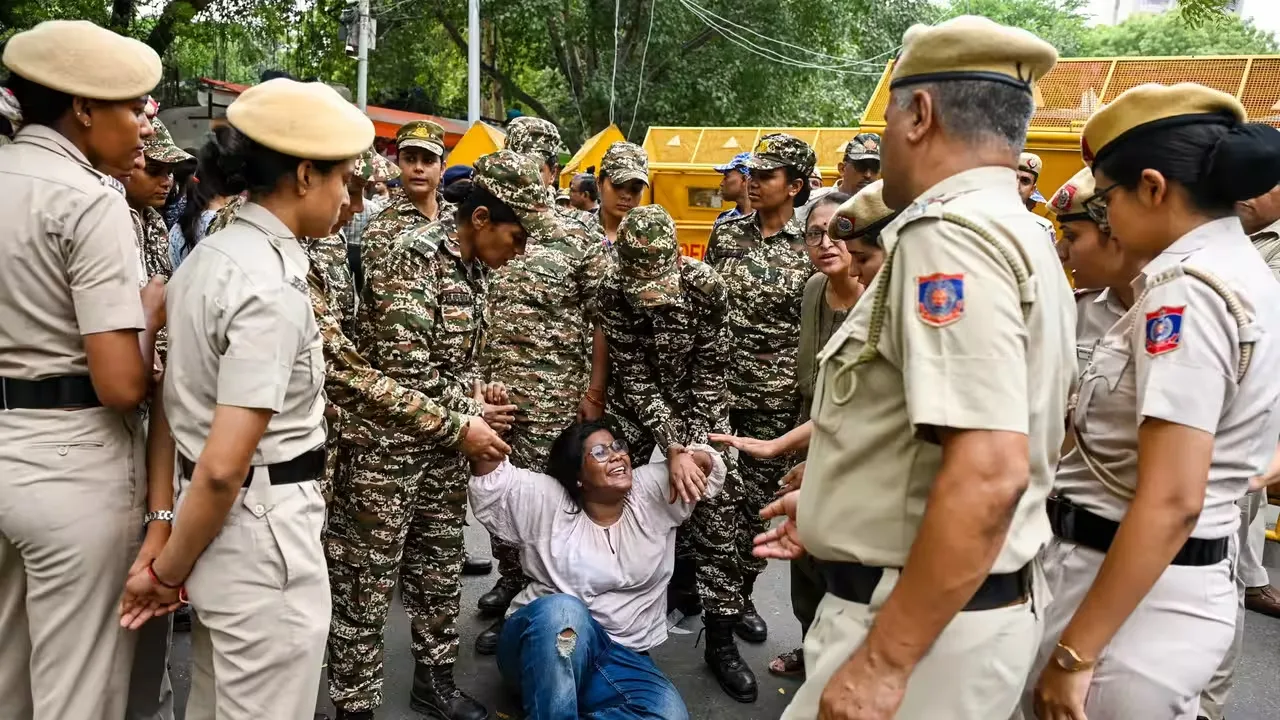
Why Delhi Looks Like A Fortress Right Now: Inside The CJP Parliament March And The Security Deployment Nobody Saw Coming
There is a particular kind of quiet that settles over a city right before something big happens. Delhi has that feeling this week. Barricades going up overnight, water cannons parked at corners where you would normally see chaiwalas, police vans idling at junctions that are usually just traffic. That is the backdrop to the CJP Parliament march, and honestly, it is one of those stories that sounds small until you actually sit with the details.
Let me back up a bit.
Why This Actually Matters
You might be tempted to scroll past this as just another protest story. Fair enough, Delhi sees plenty of those. But this one is tangled up with a hunger strike that has now stretched past three weeks, a sitting activist who ended up in a hospital, and a government about to walk into its Monsoon Session with cameras everywhere. When that many threads pull together, the CJP Parliament march stops being a local law and order issue and becomes something the whole country is watching, whether it realises it or not.
What It Really Is (Concept Explained Simply)
Here is the plain version. The Cockroach Janata Party, known as CJP, has been running a protest at Jantar Mantar over alleged irregularities in the NEET exam. Their core demands are education reform and the resignation of the Union Education Minister. Sonam Wangchuk, the well known activist (yes, the one from that famous engineering background story that inspired a Bollywood character), joined the sit in and went on an indefinite hunger strike. Twenty three days in, his condition worsened enough that he was moved to Safdarjung Hospital.
Think of it like this. a small flame that has been burning quietly for weeks suddenly gets fanned by public attention, and now everyone from opposition leaders to actors are weighing in. The Chalo Sansad march, which literally means "let's go to Parliament," is CJP's next move: walking from Jantar Mantar toward the Parliament building to press their point directly. No, that is not quite the full picture, let me add the missing piece. Delhi Police has been clear that no permission was sought or granted for this march, which is really the crux of why the city is bracing itself.
How It Works, Step By Step
So what does a security clampdown like this actually involve, on the ground.
- Layered barricading: Multiple entry points into New Delhi district have been converted into high security zones, with metal and concrete barriers stacked two and three deep.
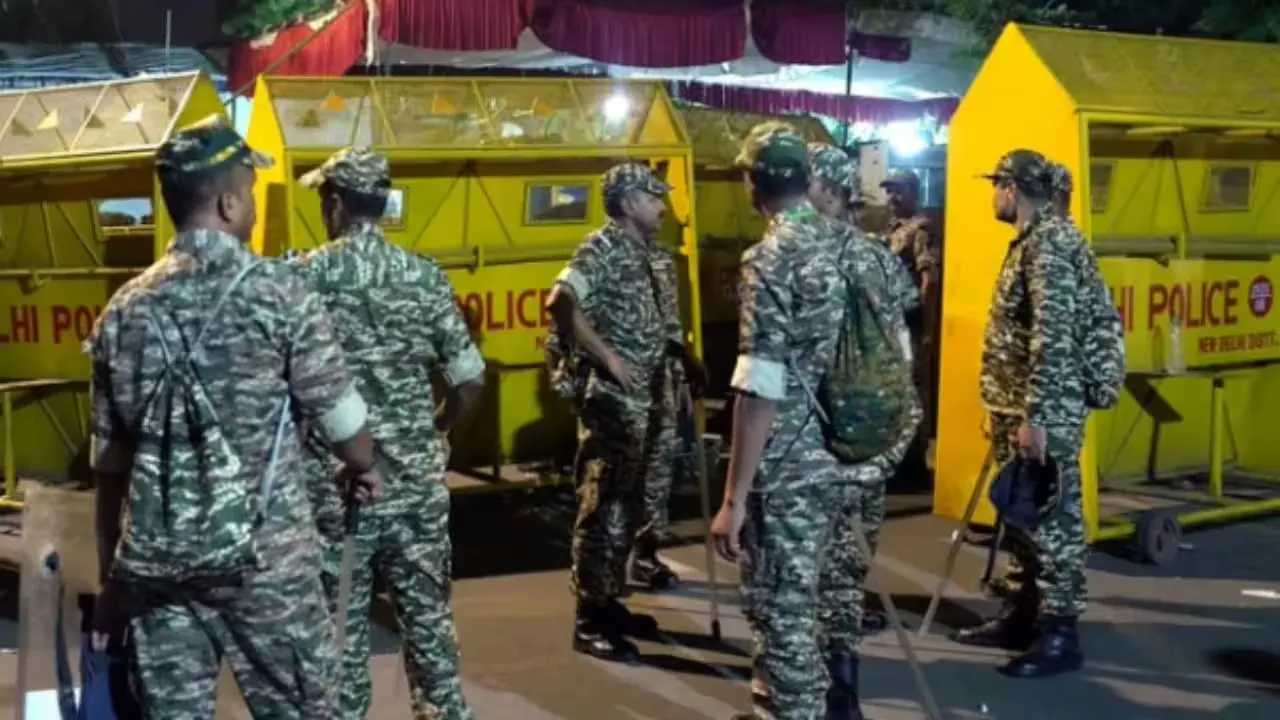
- Manpower deployment: More than 5,000 Delhi Police and paramilitary personnel are on duty, split across two layers of city police and one layer of paramilitary cover.
- Legal backing: Prohibitory orders under Section 163 of the BNSS (the old Section 144) are in force, which technically bans any gathering of five or more people outside the officially sanctioned protest site.
- Equipment on standby: Anti riot vehicles, water cannons, and rapid response teams are stationed near Jantar Mantar, Parliament Street, Central Vista, Connaught Place, and Shankar Chowk.
- Vehicle checks: Every car entering the New Delhi district is being screened, which explains those long queues you may have seen on the news.
Each of these steps exists for one reason. keep the march contained without letting things spiral. That is the working theory anyway.
Real World Examples
This is not Delhi's first rodeo with this kind of setup. Farmers marching toward Parliament a couple of years back triggered a nearly identical playbook, barricades, water cannons, the whole nine yards. The AAP led Maharally and various opposition gatherings have seen similar arrangements too. What makes the CJP Parliament march distinct is the human element attached to it, an activist's health hanging in the balance changes the emotional temperature of the whole situation. It is not just about traffic diversions anymore.
Mistakes People Keep Making (And Why)
A common one. assuming heavy police presence automatically means violence is expected. That is not always true, sometimes it is purely preventive, a "just in case" posture rather than a prediction. Another mistake, treating the NEET protest angle as separate from the Ladakh activism Wangchuk is known for. They are connected through the same person, but they are genuinely different causes, and conflating them muddies the actual demands being raised at Jantar Mantar right now.
Pro Tips That Actually Help
If you are trying to move around Delhi this week, plan extra travel time near New Delhi Range, seriously, add thirty minutes minimum. Follow official Delhi Police handles rather than forwarded WhatsApp messages, misinformation spreads fast during events like this. And if you are following the story for its political weight, watch what happens inside Parliament during the Monsoon Session, not just what happens outside on the streets. That is often where the real resolution, or lack of one, gets decided.
Closing Thoughts
There is something quietly telling about a city gearing up this much security for a march that has not even started. It says a lot about how fragile the line between peaceful protest and disruption feels right now, at least to the people responsible for keeping order. Whether the Chalo Sansad march ends peacefully or turns into something bigger, the underlying questions about education accountability and NEET reforms are not going away with the barricades once they come down.
FAQs
What is the CJP Parliament march about?
It is a planned march by the Cockroach Janata Party from Jantar Mantar to Parliament, protesting alleged NEET exam irregularities and demanding the Education Minister's resignation.
Why has Delhi deployed so much security?
Delhi Police say no permission was granted for the march, so preventive measures, barricades, additional personnel, and prohibitory orders under Section 163 BNSS, are in place to stop it from reaching the high security zone.
Is Sonam Wangchuk still on hunger strike?
He was hospitalised after 23 days of fasting, and his family has said he may end the strike if political parties commit to raising the education issue in Parliament.
Can ordinary citizens join the march?
Gatherings of five or more people outside the designated Jantar Mantar protest site are currently prohibited, so joining the march could lead to legal action under Section 223 of the BNS.
How long will the security arrangements stay in place?
Police sources say the preventive deployment will continue throughout the ongoing Monsoon Session of Parliament.