20 Rebel TMC MPs Merge With NCPI to Back NDA: The Political Gamble Reshaping Bengal's Power Equation
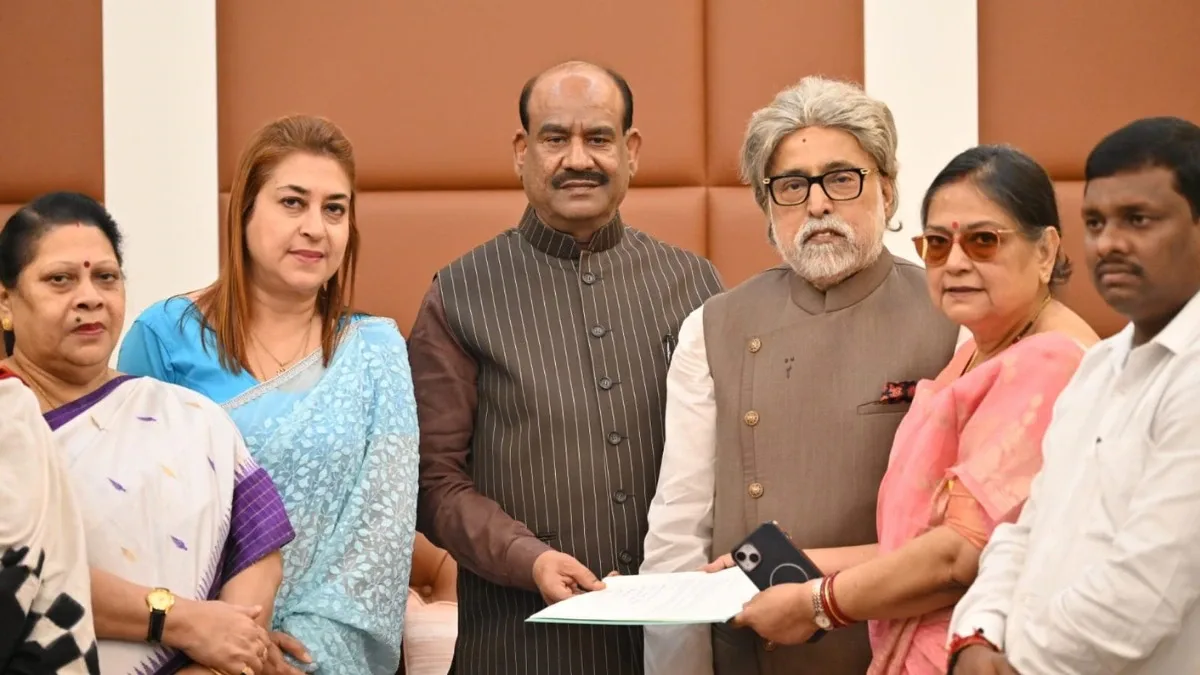
Twenty Lok Sabha members from the Trinamool Congress (TMC) walked into the office of Lok Sabha Speaker Om Birla on June 14, 2026, and announced something no one quite expected. They did not claim to be the real TMC. They did not split to form an independent group. Instead, they merged with a little-known, Tripura-based registered unrecognised party called the Nationalist Citizens Party of India (NCPI), declared support for the National Democratic Alliance (NDA), and requested separate seating in Parliament.
That is not a conventional political move. It is a calculated legal strategy, and it tells you everything about how fractured the TMC has become.
Why the Rebel TMC MPs Merged With NCPI and Not a Bigger Party
The choice of NCPI was not random. To understand it, you need to understand the anti-defection law, which governs what happens when elected MPs leave or switch parties. Under this law, switching individually invites disqualification. But a merger of at least two-thirds of a legislative party into another recognised political party can legally protect the switching MPs from being disqualified.
The rebel group, led by Kakoli Ghosh Dastidar and Sudip Bandyopadhyay, represents more than two-thirds of the TMC's Lok Sabha strength. Of the 20 MPs, 19 were physically present when the letter was submitted. The twentieth, Rachana Banerjee, gave consent remotely. By merging with NCPI rather than simply defecting, the group is attempting to use the merger provision of the anti-defection law as a shield.
Senior lawyer and politician Kapil Sibal called it "theatre of the absurd," arguing that MPs can only merge with another party if the original party itself wishes to merge. Whether that legal argument holds will depend on how the Speaker rules, and the Lok Sabha Speaker is reportedly seeking legal opinion before taking any decision.
The Bigger Fracture: TMC Is Breaking in Three Places at Once
The Lok Sabha merger is only one part of a much larger story. The TMC is simultaneously fracturing across three legislative bodies.
In the West Bengal Assembly, TMC supremo Mamata Banerjee lost her own seat. Her camp currently holds the Leader of Opposition post through Sovandeb Chattopadhyay, but 58 of the party's 80 MLAs have backed a rival, Ritabrata Banerjee, for the same post. In the Rajya Sabha, two members have resigned. The parliamentary picture is unclear.
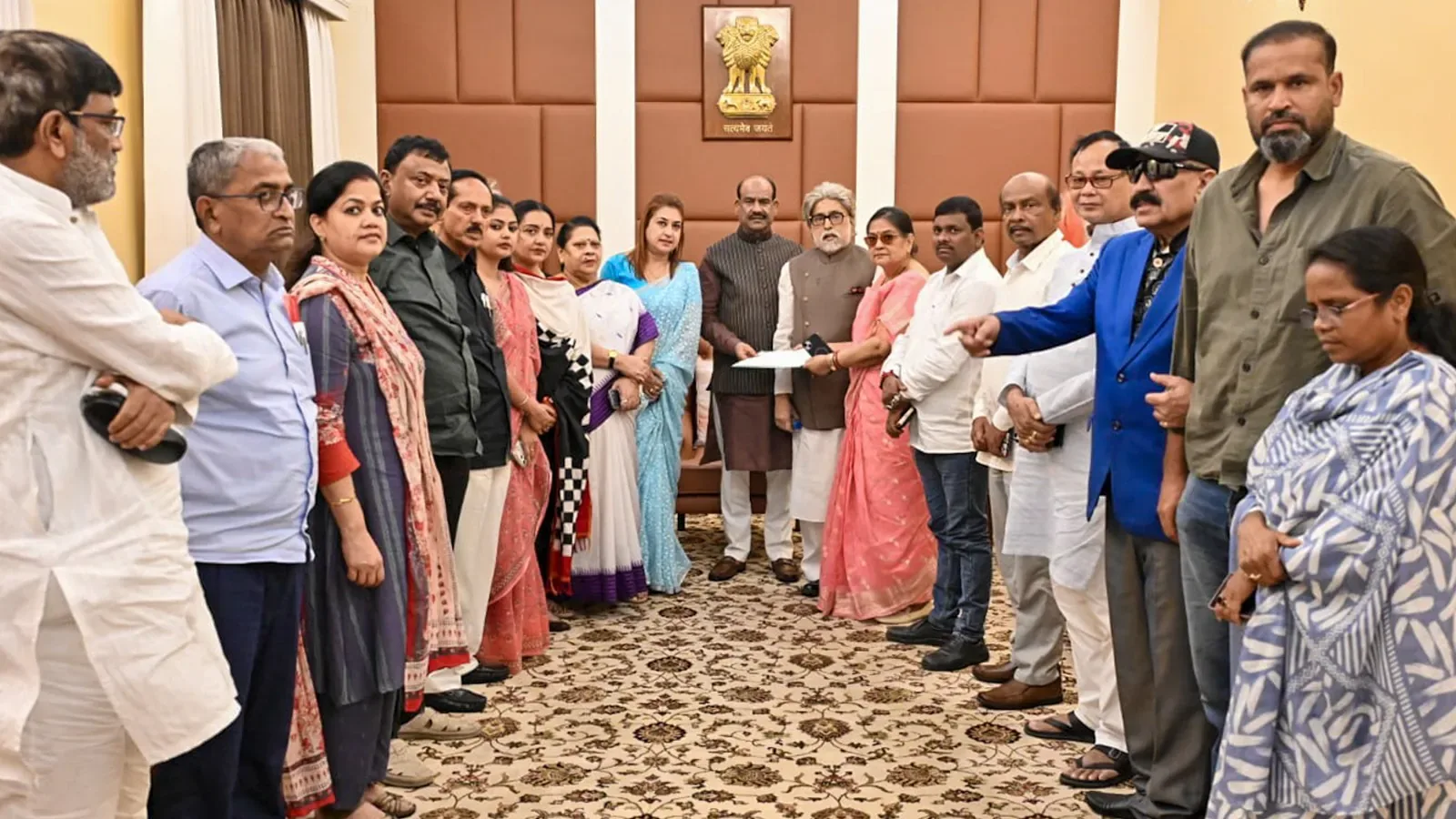
And in the Lok Sabha, 20 MPs have now formally declared alignment with NDA.
This is not a single defection. It is a simultaneous three-front collapse of party discipline, and it is happening fast.
What the NCPI Merger Means for NDA's Numbers
If the Speaker formally recognises the merger and the rebel group's new parliamentary affiliation, NDA's Lok Sabha strength could climb to 314. That is a meaningful number. It still falls short of the two-thirds majority required for constitutional amendments, but it significantly strengthens the ruling alliance's working majority for ordinary legislation.
The rebel MPs have publicly stated they want to support the Modi government and secure central government funds for their constituencies, a pointed remark about what they felt they were not getting under the opposition-aligned TMC.
What Mamata Banerjee's Camp Is Doing
The TMC leadership has not taken this quietly. The party is expected to challenge the merger at multiple levels, including before the Speaker and potentially in court. Mamata Banerjee lost her own assembly seat, which has reduced her immediate political leverage, but the party's organisational machinery in Bengal remains intact for now.
The legal challenge the TMC mounts against this merger will be closely watched. The anti-defection law's merger provision has been tested before, but rarely in circumstances quite this unusual: merging not with a recognised national or state party but with an unrecognised regional one.
Read More: Madhur Virli Rape Joke Controversy: Why India's Stand-Up Comedy Scene Is in Crisis Again
Closing Thought
What the rebel TMC MPs' NCPI merger represents is not just a political switch. It is a window into how the anti-defection law has evolved from a safeguard into a landscape that determined politicians now navigate with considerable sophistication. Whether the Speaker allows it, whether courts weigh in, and whether this reshapes Bengal's political arithmetic ahead of the next cycle will matter well beyond Parliament's monsoon session.
Disclaimer: This article is based on information available across the web. Parchar Manch does not take responsibility for its complete accuracy, as the content could not be fully verified.
FAQs
Who are the rebel TMC MPs who merged with NCPI?
The group of 20 Lok Sabha MPs is led by Kakoli Ghosh Dastidar and Sudip Bandyopadhyay. Among them is Rachana Banerjee, who gave her consent remotely. They represent more than two-thirds of TMC's total Lok Sabha strength.
What is NCPI and why did the rebel MPs choose to merge with it?
NCPI, the Nationalist Citizens Party of India, is a Tripura-based registered but unrecognised party. The rebels chose it as a legal vehicle to invoke the anti-defection law's merger provision, which can protect MPs from disqualification when at least two-thirds of a parliamentary party merges into another party.
Will the rebel MPs be disqualified under the anti-defection law?
That is not yet decided. The Lok Sabha Speaker is seeking legal opinion on whether this merger is valid. Critics like Kapil Sibal argue it is legally untenable. The final call rests with the Speaker.
How does this affect NDA's strength in the Lok Sabha?
If recognised, it could push NDA's Lok Sabha strength to approximately 314, strengthening the ruling alliance's working majority, though it still falls short of a two-thirds majority needed for constitutional changes.
Is the TMC completely breaking apart?
The party is under serious pressure at three levels: West Bengal Assembly, Rajya Sabha, and Lok Sabha. Mamata Banerjee losing her own assembly seat has added to the sense of a leadership crisis, though the party's Bengal-level organisation has not collapsed.
What did the rebel MPs say about their reasons for switching?
Publicly, the rebel MPs cited the need to secure central government funds for their constituencies, implying they felt marginalised under TMC's opposition-bloc alignment and saw NDA support as more beneficial for their voters.