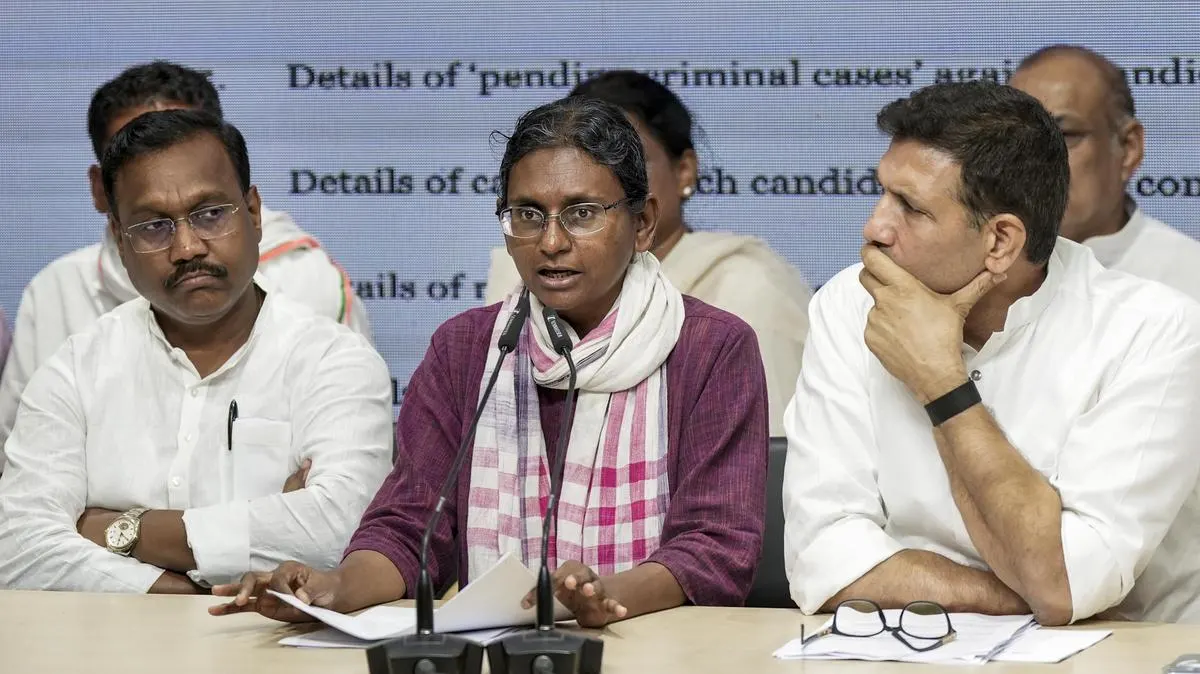
Supreme Court Dismisses Meenakshi Natarajan's Election Plea: Why This Decision Matters Beyond One Candidate
Election disputes often look technical from a distance. A nomination form gets rejected. A petition is filed. A court delivers its verdict.
But sometimes a case reveals something larger about how democracy functions.
That is exactly why the news that the Supreme Court Dismisses Meenakshi Natarajan's Election Plea has attracted attention across political and legal circles. The decision is not only about one Congress leader's Rajya Sabha candidature. It also reinforces an important constitutional principle that shapes every election in India.
Why the Supreme Court Dismisses Meenakshi Natarajan's Election Plea Story Matters
For many readers, the immediate question is simple: why should this matter to ordinary citizens?
Because elections are governed by rules designed to prevent courts from interrupting the electoral process once it has begun. The Supreme Court's decision highlights how India balances judicial review with the need for uninterrupted elections.
In a way, it is about protecting the stability of elections themselves.
Not every dispute can be resolved instantly in court, even when a candidate believes an error has occurred.
Read More: Modi at 12: A Decade-Plus of Leading India , What Changed, What Didn't, and What It All Means
What Happened in the Meenakshi Natarajan Case?
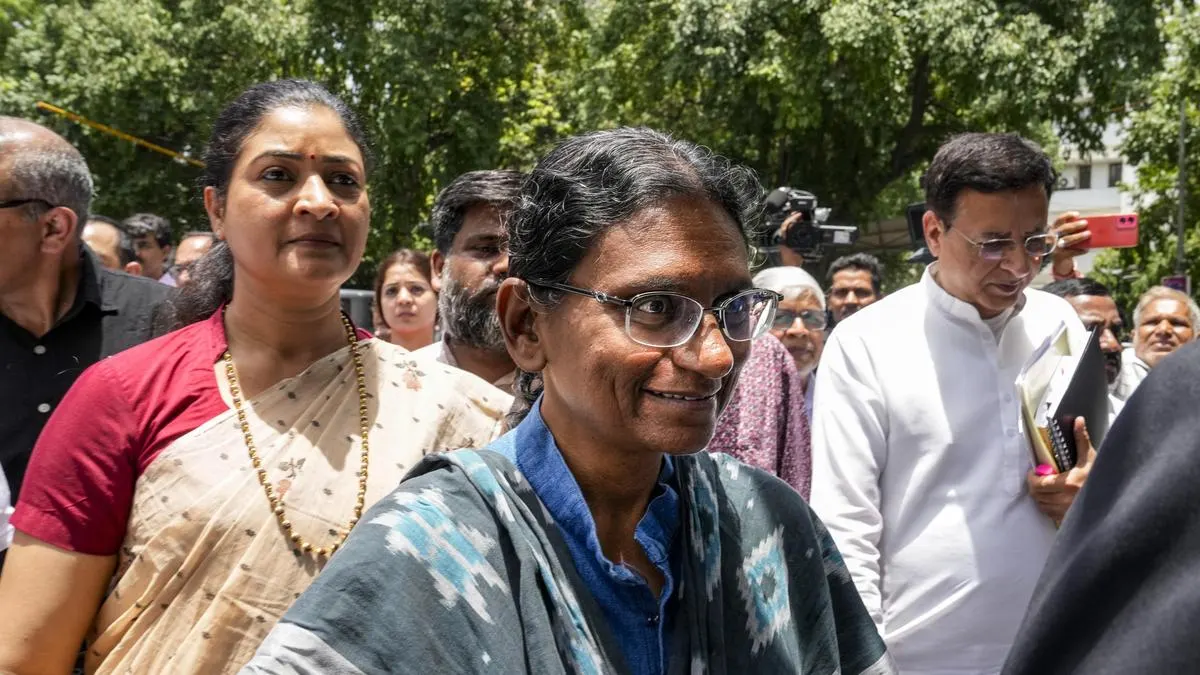
Congress leader Meenakshi Natarajan challenged the rejection of her Rajya Sabha nomination from Madhya Pradesh. The Returning Officer rejected her nomination over allegations related to non-disclosure of information in her election affidavit. Following the rejection, she approached the Supreme Court seeking relief.
However, the Court declined to intervene and dismissed the petition. The judges observed that election-related disputes generally have specific remedies under election law and should not ordinarily be addressed through writ jurisdiction once the election process is underway.
Understanding the Constitutional Principle Behind the Decision
Think of an election as a train already moving down the tracks.
Once it starts, courts are generally reluctant to stop it midway. Instead, disputes are often examined after the process concludes through legally prescribed mechanisms.
The Supreme Court relied on this long-established constitutional principle while refusing to entertain the plea. The Court also indicated that appropriate remedies remain available under election law.
This approach exists to prevent endless litigation from delaying or disrupting elections.
Read More: INDIA Bloc's High-Stakes Delhi Meeting: Fault Lines, Five Decisions, and the Long Road to 2029
How Election Disputes Usually Work
The process is fairly structured:
• A nomination is filed.
• The Returning Officer examines the nomination.
Objections, if any, are considered.
• A decision is made regarding acceptance or rejection.
• Aggrieved candidates may pursue remedies provided under election laws.
In this case, the Supreme Court emphasized that such remedies, including election petitions and approaches through the appropriate electoral framework, remain available.
Real-World Impact of the Judgment
Legal experts often view such rulings as reaffirmations of established constitutional doctrine.
The decision sends a message that courts are unlikely to make exceptions merely because a dispute becomes politically significant. Consistency in applying election law is often considered essential for maintaining public confidence in democratic institutions.
For political parties, it is also a reminder that nomination papers and disclosures must be completed with extreme care.
Mistakes People Make When Understanding Election Cases
Many people assume that if someone approaches the Supreme Court, the Court will automatically review the merits of the dispute.
That is not always how the system works.
Courts first examine whether they should intervene at all. Questions about jurisdiction, constitutional limitations, and available alternative remedies often come before the actual dispute itself.
That distinction is easy to miss, yet it is central to understanding cases like this one.
What Citizens Can Learn From This
Election law is not just about politicians. It is about procedures that protect the legitimacy of the electoral process.
Understanding these rules helps citizens better evaluate political controversies when they appear in headlines.
The Supreme Court's decision may disappoint some and satisfy others. But viewed through a constitutional lens, it reinforces a principle that has guided Indian elections for decades: let the electoral process continue, and resolve disputes through the channels established by law.
Disclaimer: This article is based on information available across the web. Parchar Manch does not take responsibility for its complete accuracy, as the content could not be fully verified.
FAQs
Why was Meenakshi Natarajan's nomination rejected?
Reports indicate that the rejection was linked to alleged non-disclosure of information in her election affidavit.
Why did the Supreme Court dismiss her plea?
The Court held that election disputes generally have specific legal remedies and should not ordinarily be challenged through writ petitions during the election process.
What remedy did the Court suggest?
The Court indicated that remedies under election law remain available, including appropriate election-related proceedings.
Does this ruling affect future election disputes?
Yes. It reinforces an established legal principle that courts should avoid interfering with ongoing electoral processes.
Was the case related to a Rajya Sabha election?
Yes, the dispute arose from a Rajya Sabha nomination in Madhya Pradesh.