BCCI's New IPL Safety and Conduct Guidelines: Vapes Banned, Owners Barred, Honey Trap Warnings Issued
A seven-page document does not usually make cricket news. But when the Board of Control for Cricket in India sends one out to all ten IPL franchises mid-season, covering everything from honey traps to vaping bans to franchise owners being locked out of dugouts, it lands differently.
The BCCI's new safety and conduct guidelines for IPL teams issued during the 2026 season are one of the most sweeping internal directives the board has put out in years. And the fact that they were needed at all tells you something important about what has been happening behind the scenes.
Why the BCCI Issued These IPL Conduct Guidelines Now
BCCI secretary Devajit Saikia sent the advisory to franchise CEOs in light of incidents flagged by the Anti-Corruption and Security Unit (ACSU) involving unauthorised individuals around franchises. The document stressed that repeated violations could seriously damage the reputation of the IPL, individual franchises, and the board itself.
The timing is not coincidental. The advisory came shortly after Riyan Parag was penalised for vaping in the dressing room during a match against the Punjab Kings in New Chandigarh. That specific incident became the visible trigger. But the advisory makes clear that the vaping incident was only one of several concerns that had been accumulating.
Saikia pointed out several areas where misconduct and protocol breaches had occurred, related to unauthorised visitors in hotel rooms, franchise owners interacting with players in restricted areas during live matches, vaping at match venues, and players leaving team hotels without authorisation.
These are not abstract policy concerns. These are things that apparently happened during the ongoing tournament.
Read More: Bombay High Court Hall Ticket 2026: Direct Download, Exam Details, and What You Must Not Miss
What the BCCI IPL Safety Guidelines Actually Say, Point by Point
The document is eight pages long, but its substance can be understood through several clear directives.
On hotel security: The BCCI stated that in several instances, team managers were completely unaware of guests visiting players' hotel rooms. Under the new rules, no visitor is allowed inside a player's or support staff member's room without prior written approval from the team manager. Guests must be received in hotel lobbies unless explicitly authorised. This applies to family members, friends, and any other person.
No exceptions. Not for girlfriends. Not for celebrity friends. Not for franchise-connected individuals. Written approval, every time.
On the honey trap warning specifically: The BCCI warned franchises about the risks of targeted compromise and honey trapping, saying such situations could lead to serious legal allegations. The Anti-Corruption Unit flagged these dangers as part of its misconduct and protocol violations assessment.
This is the kind of phrase that sounds dramatic but reflects a real operational concern. High-profile, high-earning young athletes travelling across cities are, from a security standpoint, potential targets. The advisory treats this seriously without naming names.
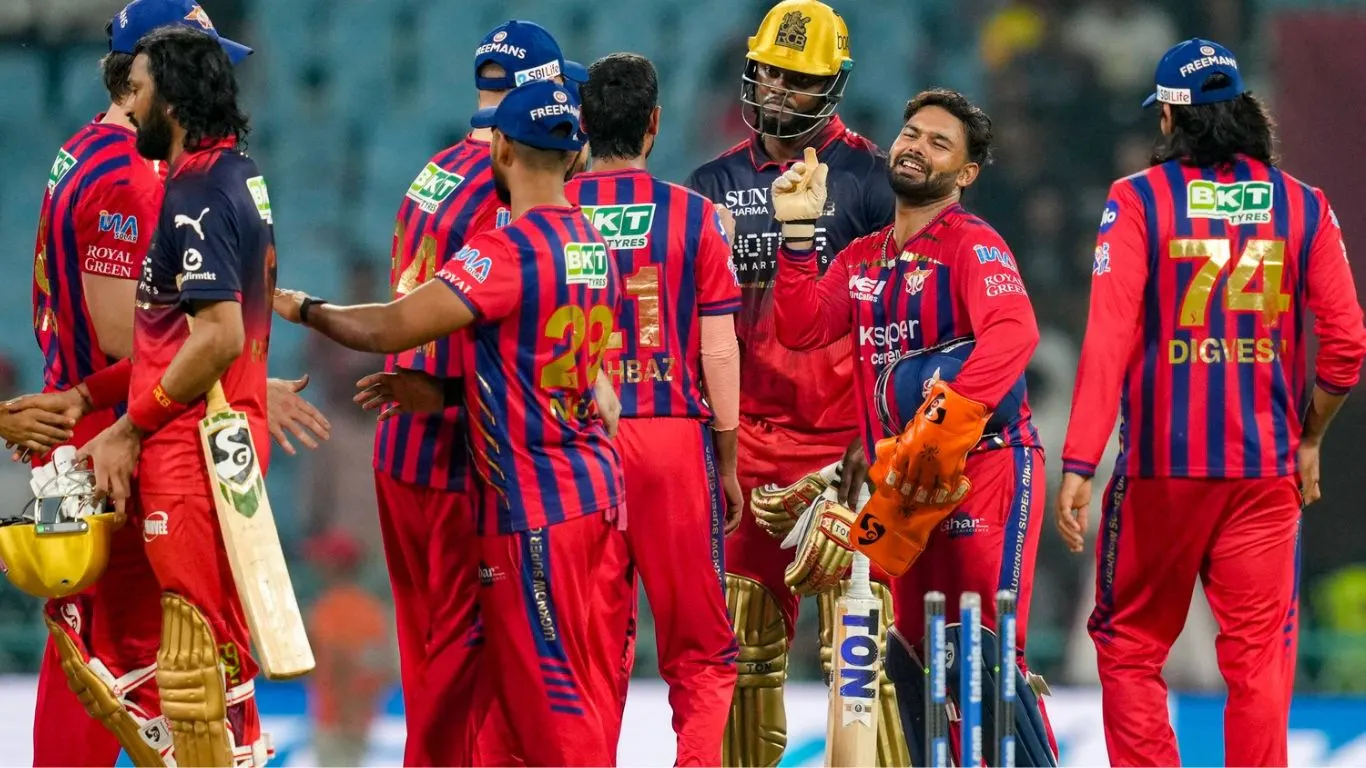
On franchise owner access: IPL franchise owners and their representatives are strictly prohibited from communicating with or physically accessing players or team officials in the dugout, dressing room, or while playing matches. Instances were observed of franchise owners attempting to communicate with, approach, hug, or otherwise physically interact with players during live match situations. Such conduct, however well-intentioned, directly contravenes established protocol and may constitute interference with team dynamics and match proceedings.
Read More: India Is Burning Early: What IMD's Heatwave Forecast Means for You This Summer
The "however well-intentioned" qualifier is worth noting. The BCCI is not accusing owners of malice. It is established that even affectionate, supportive contact at the wrong time and place crosses a line.
On vaping and prohibited substances: The use of vapes, e-cigarettes, and other banned substances is strictly forbidden across all IPL-related locations, including dressing rooms, team hotels, dugouts, and practice facilities. Violations will be treated seriously, as they may also constitute legal offences under applicable regulations.
The legal angle is significant. Vaping is not simply an IPL policy matter. It operates in a legal grey zone in India, and the BCCI is signalling that players caught vaping could face consequences beyond just a board fine.
On hotel departure and movement: Players and support staff are now prevented from leaving team hotels at irregular hours without informing the designated Security Liaison Officer (SLO) and Team Integrity Officer (TIO). Team officials must maintain logs of player departures and returns. Records may be reviewed by the IPL Operations Team whenever required.
Read More: ChatGPT Images 2.0 Launched: A Major Breakthrough in AI Image Generation with Perfect Text Rendering
And on enforcement: The board stated it would conduct unannounced surprise checks to ensure strict compliance with the league's regulatory and operational guidelines. Team managers are required to maintain records of all approved guest visits and hotel movements.
Surprise checks. That is the detail that signals this is not just a paper advisory. The BCCI is building an enforcement mechanism.
What Are the Penalties for Violating IPL Conduct Rules
Disciplinary action for violations could include financial penalties, suspension, show-cause notices, or even disqualification from the IPL. The BCCI made unequivocally clear that any breach of the directives set out in the advisory shall be treated as a serious disciplinary matter.
Disqualification from the IPL is the ceiling here. That is an extraordinary consequence, though presumably reserved for the most serious violations. The graduated response, from fine to suspension to disqualification, gives the board flexibility to respond proportionately.
Team managers have been instructed to ensure that players and support staff receive mandatory briefings within 48 hours of receiving the directive. Players and support staff will also be required to provide a written acknowledgement confirming they have understood and accepted the rules.
Written acknowledgement. That is not a soft ask. It is creating a documented paper trail that removes the "I did not know" defence from anyone found in violation.
What This Tells Us About the IPL's Growing Maturity as a Governance Institution
The IPL is nearly twenty years old. It is one of the most commercially successful sports leagues in the world, with franchise valuations now regularly crossing thousands of crores. With that scale comes risk, both reputational and operational, that was simply not present when the league began.
BCCI Vice-President Rajeev Shukla confirmed that fans and outsiders will no longer be allowed to meet players inside team hotels or buses. The new protocols are expected to be implemented in the coming days to ensure tighter security and better protection for cricketers throughout the league.
The direction of travel is toward professionalisation. Not just of the cricket itself, but of everything around it. Security protocols, conduct standards, and accountability structures. The BCCI is, in its way, trying to run the IPL the way a serious global sporting body would.
Whether every franchise will comply consistently is a separate question. Surprise checks help. But culture changes slowly, and a seven-page advisory, however firmly worded, cannot on its own shift the informal norms that have been allowed to develop across a twenty-year tournament.
Closing Thoughts
There is something quietly significant about a document that simultaneously bans vapes, warns of honey traps, and tells franchise owners they cannot hug their own players during a match. It suggests a league at a crossroads, large enough that the informal warmth of early IPL culture is now, at least in some ways, a governance liability.
The BCCI IPL conduct guidelines 2026 are a sign of maturation. Not everyone will welcome that maturity. But the alternative, letting incidents accumulate until something genuinely serious forces the issue, is worse.
Read More: Rajnath Singh Arrives in Berlin for Defence Talks — A Quiet Visit With Loud Global Signals
FAQs
What triggered the BCCI's new safety and conduct guidelines for IPL 2026?
Yes. The BCCI has banned vapes, e-cigarettes, and all prohibited substances from all IPL venues, including stadiums, dressing rooms, dugouts, team hotels, and practice facilities. Violations can attract both board disciplinary action and legal consequences under Indian law.
Are vapes and e-cigarettes now completely banned in the IPL?
Yes. The BCCI has banned vapes, e-cigarettes, and all prohibited substances from all IPL venues, including stadiums, dressing rooms, dugouts, team hotels, and practice facilities. Violations can attract both board disciplinary action and legal consequences under Indian law.
What is the honey trap warning in the BCCI advisory about?
The BCCI's Anti-Corruption Unit flagged risks of targeted compromise and honey trapping, situations where players or officials could be manipulated or exploited through social contact, leading to potential legal liability or corruption exposure. The advisory warns players to remain vigilant about unauthorised individuals seeking access to them.
Can franchise owners enter the dugout or dressing room during IPL matches?
No. Under the new guidelines, franchise owners and their representatives are strictly prohibited from accessing dugouts, dressing rooms, or on-field areas during matches. Any such interaction must go through officially approved channels, and violations will be treated as a serious breach of PMOA protocols.
What happens to players or staff who violate the BCCI IPL conduct guidelines?
Consequences range from financial penalties and show-cause notices to suspension or disqualification from the IPL, depending on the severity of the violation. The BCCI has also stated it will conduct unannounced surprise checks to monitor compliance.
What happens to players or staff who violate the BCCI IPL conduct guidelines?
Consequences range from financial penalties and show-cause notices to suspension or disqualification from the IPL, depending on the severity of the violation. The BCCI has also stated it will conduct unannounced surprise checks to monitor compliance.