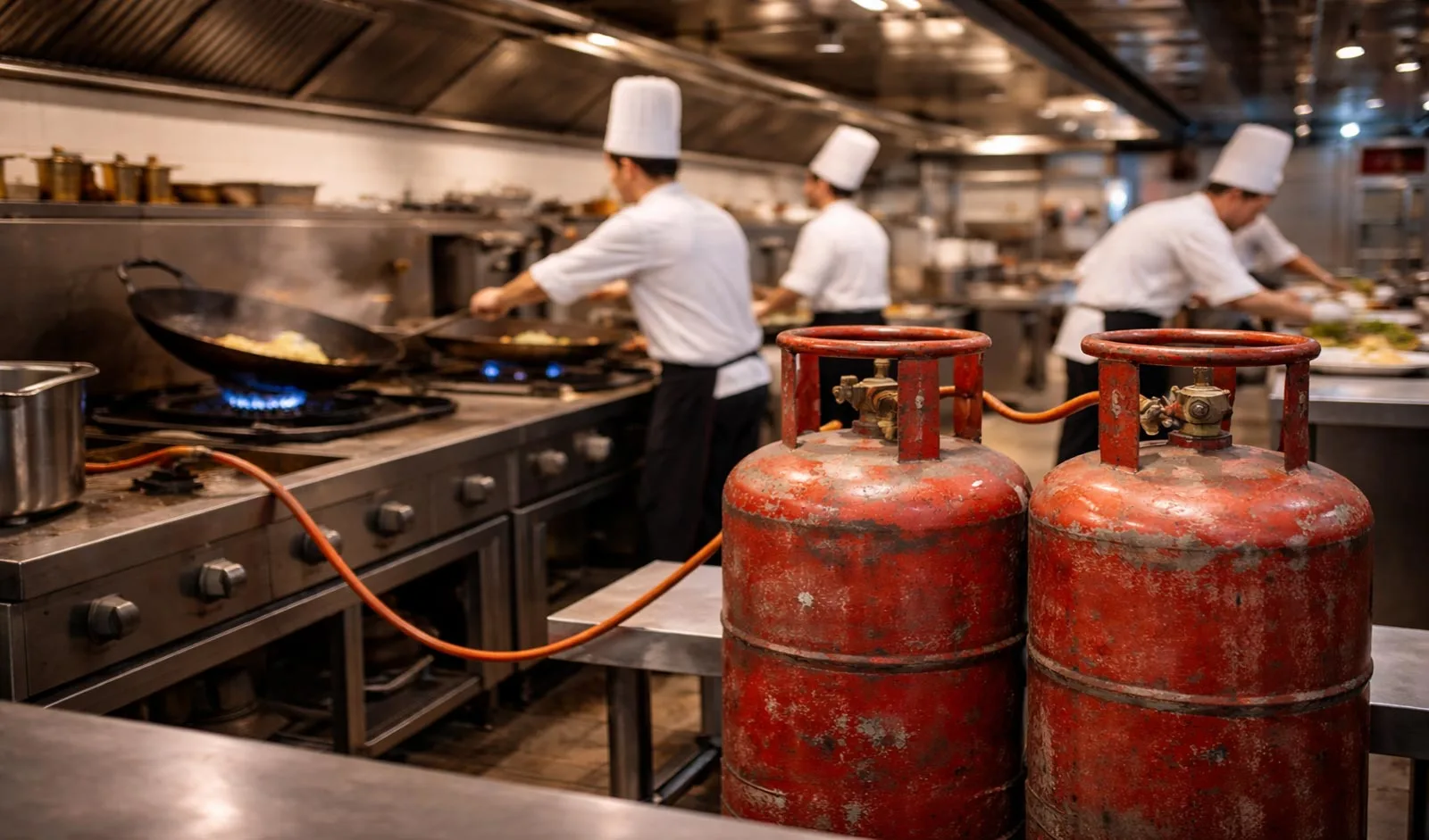
Commercial LPG Price Cut In Delhi: Why Restaurants Are Finally Catching A Break
A 19 kg cylinder that cost 1,691.50 rupees in January was touching 3,113.50 rupees by June. Almost doubled in five months. So when the commercial LPG price cut finally landed on July 1, plenty of restaurant owners in Delhi probably read the news twice just to be sure it was real.
Why This Actually Matters To Real People
If you've eaten at a dhaba, ordered from a cloud kitchen, or grabbed a sweet from a local shop recently, you've been quietly paying for this price surge already, whether you noticed it or not. Cooking gas is the backbone cost for restaurants, caterers, bakeries, and hotels. When it spikes, that pressure eventually shows up on your bill too. This cut doesn't fix everything, but it does ease one very real source of strain for small food businesses.
What Actually Changed On July 1
Oil marketing companies, led by Indian Oil, reduced the price of 19 kg commercial LPG cylinders for the first time in 2026. In Delhi specifically, the price dropped by 183.50 rupees, bringing the cylinder down to 2,930 rupees from 3,113.50 rupees. Other cities saw similar relief, Lucknow matched Delhi's cut exactly, Chandigarh dropped by 181.50 rupees, Kolkata by around 174 rupees, and Patna by 173 rupees. Alongside this, the 5 kg Free Trade LPG cylinder also got cheaper, falling by 13 rupees to 808.50 rupees in Delhi.
Domestic LPG, the 14.2 kg cylinders most households use for cooking, saw no change this time. This cut is specifically aimed at the commercial side.
Read More: Japanese Yen Falls to Weakest Level Against Dollar Since 1986, Here's What That Actually Means
What Commercial LPG Pricing Actually Means, Explained Simply
Think of LPG pricing like two separate lanes on the same highway. One lane carries household cylinders, heavily subsidized and adjusted less frequently. The other carries commercial cylinders, used by restaurants and hotels, priced more closely to actual global market movements. That second lane is far more exposed to international shocks, which is exactly why it swung so wildly over the past several months while domestic prices stayed relatively calm.
How This Price Swing Actually Unfolded
- In January, the Delhi 19 kg cylinder cost 1,691.50 rupees, a normal baseline price.
- Tensions in West Asia, particularly the conflict involving the US, Israel, and Iran, raised fears over energy supply disruptions, especially around routes like the Strait of Hormuz.
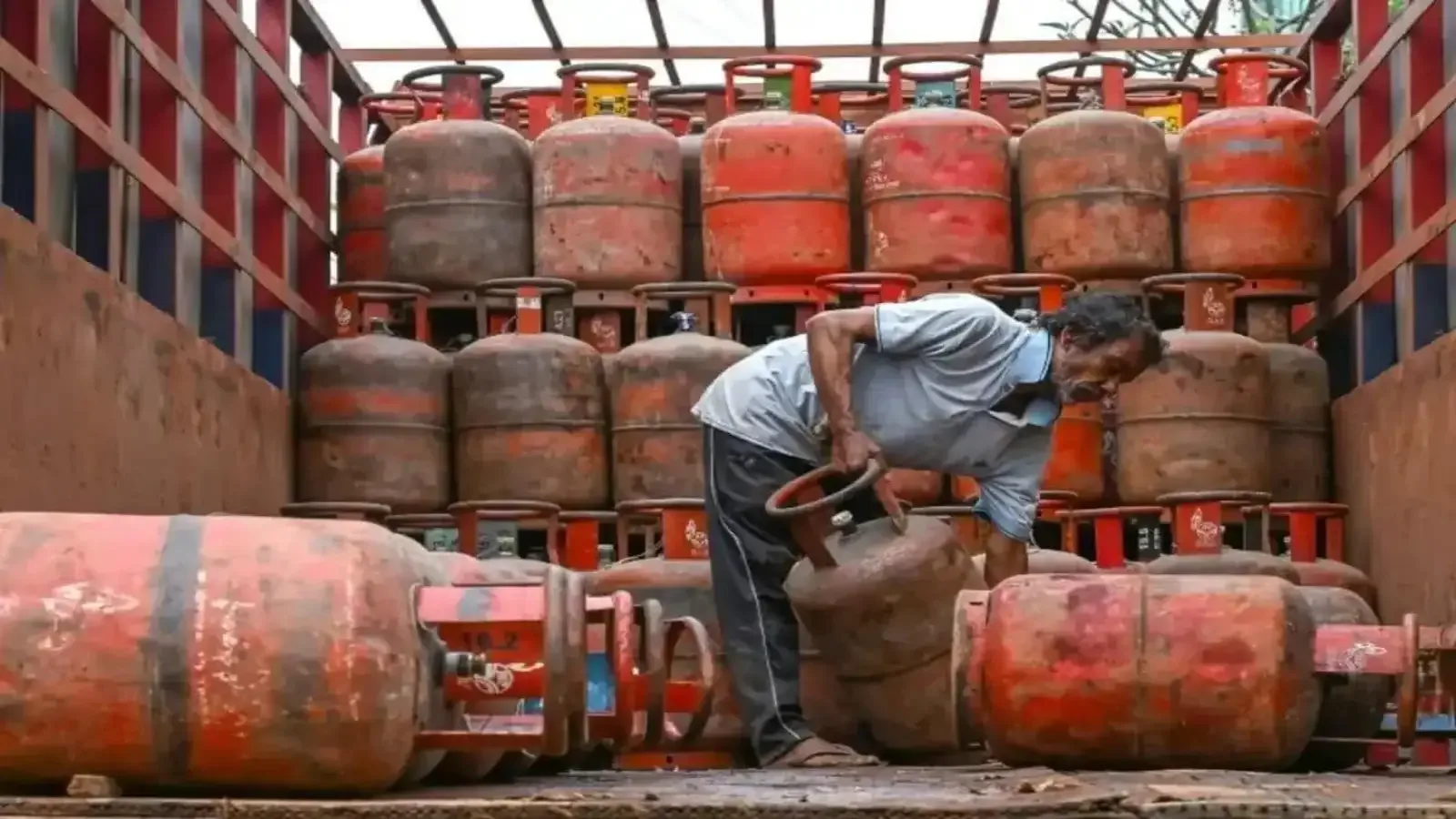
- May brought the steepest single jump, a 993 rupee increase in one revision alone, pushing the cylinder above 3,000 rupees for the first time.
- The government had also imposed supply restrictions on commercial LPG for businesses during the crisis period.
- As global tensions eased and supply concerns settled, the government restored full commercial LPG supply and oil companies finally began trimming prices from July 1.
Real Impact On The Ground
For a small dhaba going through several cylinders a week, that January to June increase meant thousands of extra rupees in monthly costs, on top of already rising rents, wages, and packaging expenses. The July cut works out to roughly 5.9 percent relief on the Delhi price. Meaningful, sure, but the cylinder still costs 1,238.50 rupees more than it did back in January. This is relief, not a full recovery.
Mistakes People Keep Making While Reading This News
Don't assume this price cut applies to your home LPG cylinder. It doesn't. Confusing domestic and commercial LPG pricing is common, since both get reported together in daily rate updates, but they move independently and are meant for very different users.
Pro Tips For Small Food Businesses Right Now
If you run a restaurant or catering business, track LPG prices monthly rather than reacting to headlines alone, since rates change on the first of nearly every month. Building slightly higher cylinder cost estimates into your monthly budgeting, even after a cut like this one, protects you from getting caught off guard if global tensions flare up again.
A Quiet Closing Thought
There's something almost fragile about how tightly a small dhaba's monthly costs are tied to tensions thousands of kilometers away in the Strait of Hormuz. That connection rarely gets noticed until the bill arrives, and maybe that's worth remembering the next time energy news feels too distant to matter.
Read More: Awarapan 2 Teaser Out: Emraan Hashmi Returns As Shivam Pandit After 19 Long Years
Disclaimer: This article is based on information available across the web. Parchar Manch does not take responsibility for its complete accuracy, as the content could not be fully verified.
FAQs
How much did commercial LPG prices drop in Delhi?
Prices fell by 183.50 rupees, bringing the 19 kg commercial cylinder down to 2,930 rupees from 3,113.50 rupees.
Did household LPG cylinder prices also decrease?
No. Domestic 14.2 kg LPG cylinder prices remained unchanged in this revision.
Why did commercial LPG prices rise so sharply earlier this year?
Tensions in West Asia involving the US, Israel, and Iran raised concerns over energy supply disruptions, pushing global LPG and oil prices higher.
Which cities saw the biggest price cuts?
Delhi and Lucknow saw the largest cuts at 183.50 rupees each, while Chandigarh, Kolkata, and Patna saw slightly smaller reductions.
Who benefits most from this commercial LPG price cut?
Restaurants, hotels, dhabas, bakeries, cloud kitchens, and catering businesses that rely heavily on commercial cooking gas benefit the most.