Why the CJP's Dharmendra Pradhan Resignation Demand Has Turned Into India's Loudest Student Standoff
There is a particular kind of anger that builds slowly, then arrives all at once. That is roughly what happened at Jantar Mantar this July. What started as an online joke about cockroaches has turned into one of the largest youth led protests Delhi has seen in years, and at the center of it sits one single demand: the Dharmendra Pradhan resignation. No committee report, no reshuffle, no reassurance. Just one name, repeated at every rally, on every placard, in every negotiation with the government.
If you have only caught fragments of this story on your feed, that is fair. It moved fast. So let's slow it down.
Why This Actually Matters
Here is the thing people outside the exam system often miss. NEET is not just another entrance test. Roughly two million students sit for it every year, competing for around one lakh thirty thousand medical seats. Families spend years and lakhs of rupees on coaching, on the quiet assumption that the exam itself is fair. When that assumption breaks, it does not just anger a few thousand students. It shakes an entire generation's trust in the system meant to decide their future.
That is exactly what happened after the 2026 NEET UG paper leak, which forced the exam's cancellation days after it was conducted, alongside separate irregularities in CBSE's on screen marking process. Two failures, back to back, in institutions students had no choice but to rely on.
What the Cockroach Janta Party Really Is
Quick backstory, because the name alone confuses most people. The Cockroach Janta Party, or CJP, was not born as a political party at all. It began in May 2026 as satire, after the Chief Justice of India made an offhand remark comparing certain unqualified, attention seeking young people to cockroaches. Digital strat begist Abhijeet Dipke picked up that insult and flipped it into a rallying identity for unemployed, frustrated, chronically online young Indians. It caught on faster than anyone expected.
By June, that internet joke had become an actual protest movement, joined by established student groups like the Students Federation of India and the All India Students Association. Its central, non-negotiable demand has stayed the same since day one: Union Education Minister Dharmendra Pradhan must go.
How the Protest Escalated, Step by Step
Understanding the timeline helps make sense of why this hasn't quietly faded away.
- June 6, 2026: CJP, alongside student unions, launches sustained demonstrations at Jantar Mantar, citing the NEET leak and CBSE marking mess.
- June 28, 2026: Activist Sonam Wangchuk joins as an "honorary cockroach" and begins an indefinite hunger strike at the protest site, pulling in national and even international attention.
- Mid to late July 2026: Crowds swell across multiple cities, not just Delhi. A 17 year old protester in Bengaluru summed up the mood simply: young people's frustration had grown too large to stay quiet about.
- July 20, 2026: Massive crowds march from Jantar Mantar toward Parliament. Pradhan responds on social media, insisting the government remains fully committed to discussing the paper leak issue and addressing genuine student concerns through Parliament rather than street pressure.
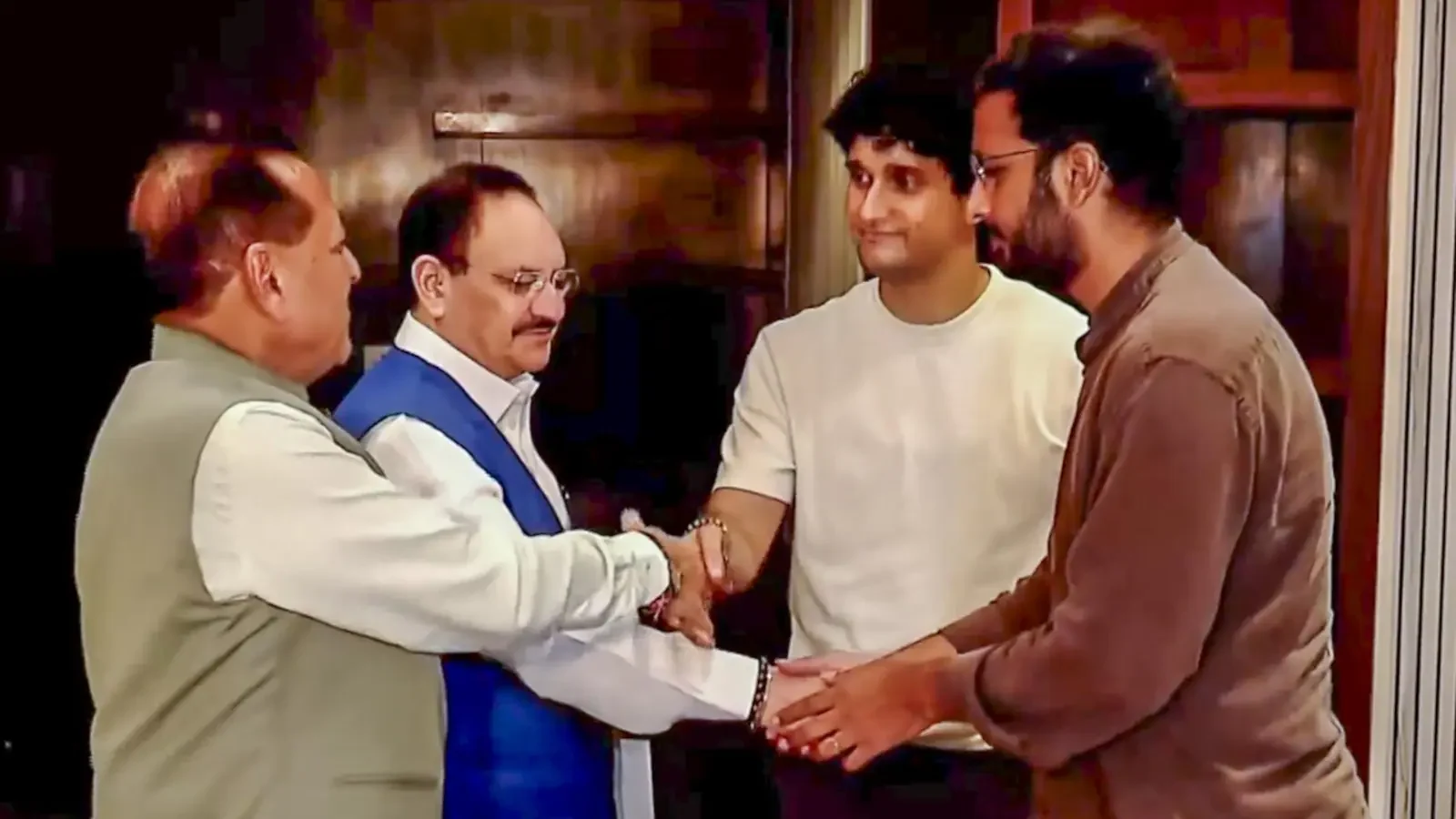
- July 24, 2026: A second round of direct talks takes place between CJP representatives and Union Ministers JP Nadda and Jitendra Singh at Vithalbhai Patel House. The government agrees, in principle, to withdraw FIRs against protesting students and consider compensation for families of NEET aspirants who died by suicide. But on the resignation demand itself, CJP spokespersons make clear there is no room to negotiate.
Read More: Delhi High Court Police Force Allegations: What The CJP Protest Case Is Really About
Real World Stakes Behind the Slogans
This is not abstract politics for the people involved. Consider a Class 12 student who spent two years and roughly two lakh rupees on NEET coaching, only to have the exam scrapped over a leak they had nothing to do with. Or a family in Latur, where investigators reportedly recovered dozens of leaked questions from a teacher's phone, matched against the actual paper. These are not rumors students invented out of frustration. They are the documented failures fueling the anger.
Mistakes People Keep Making While Following This Story
A common one: treating this as "just another student protest that will fizzle out." Movements built on institutional failure, not ideology, tend to have longer staying power because the grievance is concrete, not abstract. Another mistake is assuming CJP is a formal political party with an election agenda. It is closer to a loose, satirical, youth led coalition than a structured outfit, which is partly why traditional political responses have struggled to contain it.
Read More: Delhi Police Deny Pellet Guns Against Protesters: What The Evidence Actually Shows
Pro Tips for Understanding Where This Goes Next
If you want to follow this properly, watch two things rather than the headlines alone. First, whether the government's in principle promises on FIRs and compensation actually convert into signed action, since verbal assurances in Indian political negotiations often stall. Second, watch whether the resignation demand itself softens once other concessions land, because that would signal the protest's real leverage point.
Closing Thoughts
What strikes me most about this whole episode is how an offhand courtroom insult somehow became the seed of a genuine accountability movement. Whether Dharmendra Pradhan actually resigns or not, something has already shifted. Students who once quietly accepted exam failures as bad luck are now demanding someone answer for them. That shift, more than any single resignation, might be the story that outlasts this news cycle.
FAQs
What exactly is CJP demanding from Dharmendra Pradhan?
His resignation as Union Education Minister, over the 2026 NEET paper leak and CBSE marking irregularities, with no other concession accepted as a substitute.
Why is it called the Cockroach Janta Party?
It reclaims a dismissive remark by the Chief Justice of India comparing certain young people to cockroaches, turning it into a badge of identity for frustrated, protesting students.
Has the government agreed to any of CJP's demands?
Yes, in principle, on withdrawing FIRs against protesting students and compensating families of NEET aspirants who died by suicide, but not on the resignation demand itself.
Who is Sonam Wangchuk and why is he involved?
A well known activist who joined the protests as a supporter, going on an indefinite hunger strike at Jantar Mantar before being removed by police.
As of late July 2026, no resignation has occurred. Talks between CJP and government ministers are ongoing, with the outcome still uncertain.
As of late July 2026, no resignation has occurred. Talks between CJP and government ministers are ongoing, with the outcome still uncertain.