Delhi Rain Alert Today: IMD Red Alert as Monsoon Waterlogging Disrupts Traffic
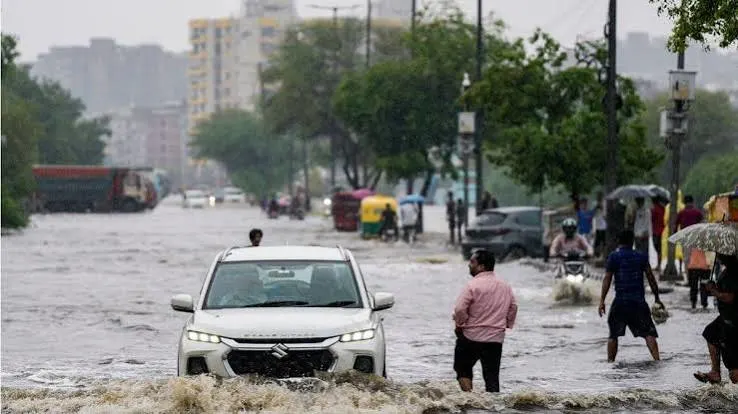
Heavy monsoon showers have once again brought the national capital to a standstill, with the Delhi rain alert today triggering widespread waterlogging, traffic snarls, and disruptions across the city. The India Meteorological Department (IMD) issued a red alert, warning of intense rainfall accompanied by thunderstorms and strong winds.
IMD's Red Alert and Rainfall Data
The IMD's red alert signals the highest level of weather warning, indicating extremely heavy rainfall that requires immediate action from citizens and authorities. Weather stations across Delhi recorded significant rainfall within a short span — with areas like Lodhi Road, Ridge, and Safdarjung reporting between 57 mm and 80 mm of rain in just a few hours.
Delhi Rain Alert Today remains in focus as meteorologists have attributed the persistent downpour to the seasonal monsoon trough shifting northward from central India toward the Himalayan foothills, a pattern that typically brings intense, concentrated bursts of rainfall to the Delhi-NCR region during the peak monsoon months.Areas Worst Hit by Waterlogging
Several key roads and intersections across Delhi witnessed severe waterlogging, disrupting daily commutes for thousands of residents. Some of the worst-affected areas included:
- Vikas Marg and parts of East Delhi
- New Delhi Railway Station vicinity
- Munirka and Sadar Bazar
- Dwarka and the Delhi-Noida Expressway
- ITO, Connaught Place, and Lutyens' Delhi
Delhi Rain Alert Today continues to impact daily life as traffic movement in southeast Delhi's East of Kailash area was further hampered after two trees were uprooted due to strong winds. Neighbouring regions like Noida and Ghaziabad also reported flooding, with visuals showing residents wading through knee-deep water in low-lying sectors.
Government Response
Delhi Rain Alert Today prompted Chief Minister Rekha Gupta to review the situation and direct all administrative agencies to remain on "high alert" to minimise the impact of the downpour. According to the Chief Minister's Office, teams from the Public Works Department (PWD), Delhi Jal Board, and the Municipal Corporation of Delhi (MCD) were deployed across the city to clear waterlogged stretches and restore smooth traffic flow.
Must Read : IMD Rain Alert Delhi: Why the Capital Just Got Its Wettest Wake-Up Call in Weeks
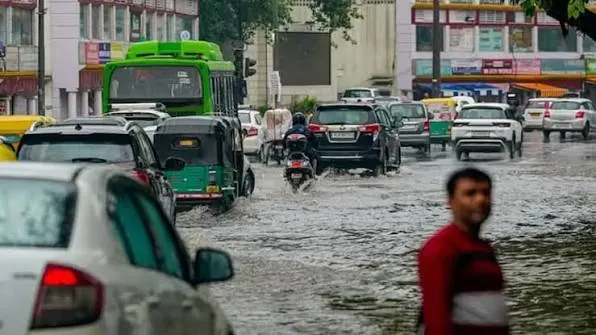
Officials have described the response effort as being conducted "on a war footing," reflecting the scale of disruption caused by the intense rainfall. PWD ministers have also used social media to share updates on traffic conditions and drainage clearance efforts in real time.
Impact on Daily Life
Delhi Rain Alert Today has disrupted more than just road traffic. The heavy rains have also affected flight schedules, with airlines issuing advisories warning passengers of potential delays. Emergency services have been placed on alert following incidents linked to swollen water bodies, including rescue operations near the Yamuna River in parts of East Delhi.
Delhi Rain Alert Today highlights the impact on schoolchildren and daily commuters, with visuals circulating on social media showing students wading through waist-deep water in market areas like Sadar Bazar—a stark reminder of the city's ongoing struggle with monsoon drainage infrastructure.
Must Read : Impact of Climate Change India: Heatwaves, Floods, and What Citizens Can Do
Why Delhi Faces Recurring Waterlogging Issues
Despite repeated promises from civic authorities, Delhi continues to face monsoon-related flooding almost every year. Experts point to a combination of factors:
- Outdated and insufficient drainage infrastructure unable to handle sudden heavy rainfall
- Rapid urbanisation reducing natural water absorption areas
- Encroachments on stormwater drains, reducing their carrying capacity
- Concentrated rainfall patterns due to shifting monsoon trough behaviour, which overwhelm drainage systems designed for more evenly distributed rain
What Residents Should Do
Given the IMD's red alert status, residents are advised to:
- Avoid unnecessary travel during peak rainfall hours
- Stay updated through official IMD and Delhi Traffic Police channels
- Avoid walking or driving through visibly waterlogged stretches
- Keep emergency numbers handy in case of flooding near residential areas
Looking Ahead
Delhi Rain Alert Today remains in effect as the monsoon trough is expected to stay active over North India in the coming days, bringing more spells of heavy rainfall across Delhi-NCR. Authorities continue to monitor the situation closely, even as questions persist about long-term solutions to the capital's recurring waterlogging crisis.
FAQs
Why did IMD issue a red alert for Delhi today?
The IMD issued a red alert due to intense rainfall, thunderstorms, and strong winds caused by the northward shift of the monsoon trough toward the Himalayan foothills.
Which areas in Delhi were most affected by waterlogging?
Areas including Vikas Marg, ITO, Connaught Place, Munirka, Sadar Bazar, Dwarka, and the Delhi-Noida Expressway reported severe waterlogging.
How much rainfall did Delhi record during this spell?
Weather stations recorded between 57 mm and 80 mm of rainfall within a few hours, with Lodhi Road recording the highest at over 80 mm.
What is the Delhi government doing to address the waterlogging?
Teams from the PWD, Delhi Jal Board, and MCD have been deployed citywide to clear waterlogged areas, with CM Rekha Gupta directing agencies to remain on high alert.
Why does Delhi face waterlogging every monsoon season?
Outdated drainage infrastructure, rapid urbanisation, encroachments on stormwater drains, and concentrated rainfall patterns are the key reasons behind Delhi's recurring monsoon flooding.